2026 Best Loader Rims for Optimal Performance and Durability?
When it comes to heavy machinery, the right Loader Rims can significantly impact performance and durability. Loader rims are more than just components; they are essential for stability and efficiency on various terrains. In 2026, selecting the best loader rims will require a thorough understanding of your specific needs.
You should consider factors like material, design, and compatibility with your loader. With numerous options available, the choice can feel overwhelming. Some rims may not provide the strength needed for heavy loads, leading to potential failures. It’s important to weigh these factors carefully and reflect on past experiences with different products.
Reliable loader rims can enhance productivity and reduce downtime. The right choice can lead to a smoother operation and longer-lasting performance. Investing time in research and expert opinions is crucial. A careful selection process will pay off in the long run, ensuring that your loader performs optimally.
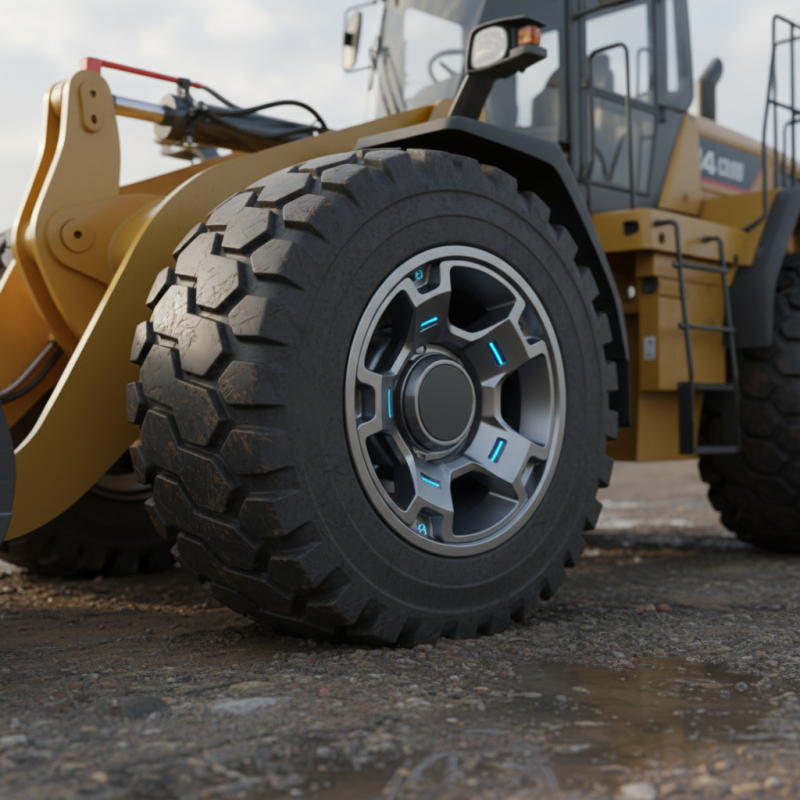
Understanding Loader Rims: Types and Specifications
Loader rims play a crucial role in heavy machinery performance. Understanding the different types is key for operators. There are steel, aluminum, and composite rims. Each type brings unique benefits. Steel rims are strong and durable, ideal for rough terrains. Aluminum rims are lighter and improve fuel efficiency. Composite rims offer resistance to corrosion, extending their lifespan.
Specifications are also important. The size of the rim affects the tire selection and overall stability. Load ratings determine how much weight the rim can carry. It's vital to ensure compatibility with the loader model. Neglecting specifications could lead to performance issues. When selecting rims, operators often underestimate the importance of proper fit.
Some might find navigating the specifications overwhelming. However, knowledge pays off in the long run. Testing various rim types can reveal unexpected advantages. Performance might improve with a seemingly minor change. Continuous learning and experimentation help refine choice. Adapting to specific job demands enhances efficiency. Thus, investing time in understanding loader rims is essential for optimal performance.
Factors Affecting Performance and Durability of Loader Rims
The performance and durability of loader rims depend on several critical factors. Material quality plays a vital role. High-strength steel can enhance longevity. However, poorer-quality alloys may chip or bend under heavy use. According to a recent industry report, rims made from superior materials can last up to 30% longer than their counterparts.
It's also essential to consider rim design. The shape and width can affect load distribution. Wider rims often provide better stability. A study from the Machinery Institute suggests that properly designed rims can reduce the likelihood of structural failure.
Tips: Regular inspections are crucial for maintaining rim integrity. Look for signs of wear or deformation. Ensure that the rims are fitted correctly to the loader. Improper fit can lead to increased stress and rapid damage.
Weather conditions can impact rim performance too. Extreme temperatures can lead to metal fatigue. Additionally, exposure to chemicals can corrode rims. Carrying out routine maintenance checks can mitigate these risks and prolong the life of your loader rims.
Best Materials for Constructing Loader Rims in 2026
When considering the best materials for constructing loader rims in 2026, several factors play a crucial role. The choice of material significantly impacts durability and performance under various operating conditions. Steel is often favored for its strength and resistance to wear. According to industry reports, steel rims provide long-lasting support in demanding environments. The tensile strength of high-grade steel can reach up to 180,000 psi, which is crucial for handling heavy loads.
Aluminum is gaining traction due to its lightweight properties. Studies show that aluminum rims can reduce overall vehicle weight by up to 20%. This reduction not only enhances fuel efficiency but also improves handling and maneuverability. However, aluminum's susceptibility to corrosion can be a concern. Proper coatings and treatments can potentially mitigate these issues but will add to manufacturing costs.
In addition to steel and aluminum, composite materials are being explored. These materials offer a combination of strength and reduced weight. However, their long-term durability remains under evaluation. Industry experts emphasize the importance of thorough testing before widespread adoption. Selecting the right material involves weighing performance against cost. The right choice is essential for optimal loader operation and minimizing downtime.
Top Brands for Loader Rims: A Comparative Analysis
When it comes to choosing loader rims, performance and durability are critical factors. Operators often face a myriad of options. Some rims are crafted from advanced materials, while others may prioritize weight savings. In practice, it's essential to select rims that can withstand harsh conditions. For instance, rims that are resistant to bending can provide peace of mind on challenging terrains.
Comparing brands reveals significant insights. Certain brands focus on engineering expertise, while others may emphasize user feedback and field testing. Some might excel in heavy-duty applications, while others are more suited for light to moderate operations. Evaluating the types of warranties offered gives additional weight to the reliability of a brand. Users also note aesthetic preferences, often driven by personal taste and machine appearance.
Yet, no brand is perfect. Some users report issues with availability or price fluctuations. Others find that after-market options can sometimes exceed expectations, though they may lack comprehensive support. As the market evolves, keeping an eye on user reviews and performance benchmarks becomes vital for making informed decisions. After all, investing in quality loader rims should lead to improved productivity and reduced downtime.
2026 Best Loader Rims for Optimal Performance and Durability
| Rim Size (Inches) | Material | Weight Capacity (lbs) | Durability Rating | Performance Score (1-10) |
| 16 | Steel | 4000 | High | 9 |
| 20 | Aluminum | 6500 | Medium | 8 |
| 18 | Composite | 5500 | High | 9 |
| 22 | Steel | 7000 | Very High | 10 |
| 24 | Aluminum | 9000 | High | 8 |
Maintenance Tips for Enhancing Loader Rim Lifespan and Performance
Maintaining loader rims is essential for optimal performance and longevity. Regular inspections can prevent potential issues. Look for visible signs of wear, such as cracks or bent edges. If you notice irregularities, address them immediately to avoid further damage.
Proper cleaning is another key aspect of maintenance. Use a gentle soap solution and soft brush. This removes dirt and debris without scratching the rim surface. Avoid harsh chemicals; they can weaken the materials over time. Regular cleaning helps maintain the integrity of the rims and enhances their efficiency.
Check tire pressure routinely. Correct pressure levels help distribute the load evenly. This can significantly reduce rim strain. Under-inflated tires can lead to increased wear and tear. Make it a habit to monitor and adjust pressure as necessary. Proper tire maintenance is crucial for extending the lifespan of your loader rims.





