What Are the Best Lithium Batteries in 2026?
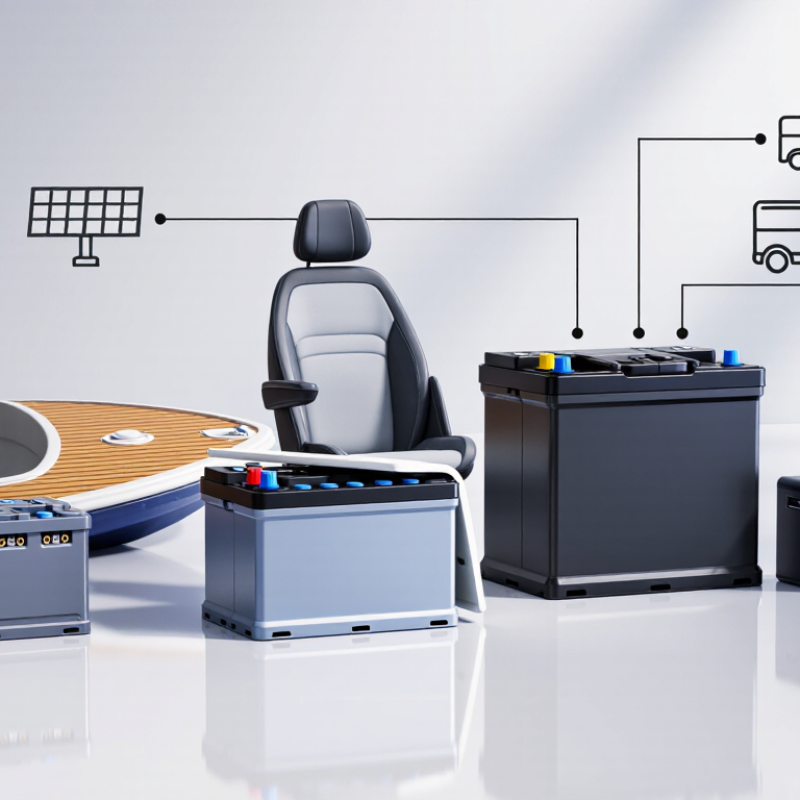
Choosing the best Lithium Batteries in 2026 depends on what they need to power. A camper van, solar setup, fishing boat, and backup system all place different demands on a battery. Capacity matters, but it is only part of the picture. A label promising many amp-hours cannot tell you how the battery behaves under a steady load or in cold weather.
This guide explains the features that matter when comparing current options. It looks at usable capacity, cycle-life estimates, charging limits, built-in battery management systems, warranty terms, and overall value. It also considers practical details, such as whether the battery fits beneath a seat or works with an existing charger. Small mismatches can become expensive.
There is no single winner for every buyer. A lightweight battery may suit weekend trips, while a larger unit may better serve daily off-grid use. Some specifications are measured under ideal conditions, so real performance can differ. That deserves attention. We’ll distinguish manufacturer claims from details buyers should verify, including model availability and warranty coverage in their region. Use the comparisons as a starting point, then match them against your actual power needs and installation requirements. The best choice is the one that fits your setup safely and reliably—not simply the one with the biggest number on its label.
What Lithium Batteries Are and How They Work
Lithium batteries store energy through chemical reactions involving lithium. In rechargeable lithium-ion cells, lithium ions move between two electrodes. During discharge, ions pass through an electrolyte toward the positive electrode. Electrons take another route. They flow through the external circuit, powering a phone, lamp, or motor. That flow is electric current. Charging reverses the process, pushing ions back toward the negative electrode. The chemistry sounds tidy. Real cells are less simple. Temperature, charging speed, and age all affect performance.
Not every lithium battery is rechargeable; some are designed for one use only. In rechargeable cells, electrode materials and cell design influence capacity, voltage, and lifespan. A battery management system can monitor conditions and help limit unsafe operation, but it cannot prevent every failure. Avoid crushing, puncturing, or overheating a cell. A swollen battery needs careful handling, not a closer inspection at home. For example, a battery left in a hot car may degrade faster than one stored in moderate conditions. Capacity also fades over time, even with sensible use. That part is easy to overlook.
What Are the Best Lithium Batteries in 2026?
Lithium-ion batteries store and release energy as lithium ions move between the anode and cathode. Electrons travel through the external circuit, providing electrical power.
Typical nominal voltage per cell (volts). Values are representative; actual specifications vary by cell design. The best chemistry depends on priorities such as energy density, lifespan, safety, and application.
How to Evaluate Lithium Batteries in 2026
Evaluating lithium batteries in 2026 starts with the job they must do, not a headline capacity figure. A battery for a small cabin, an electric bicycle, and backup power faces different loads and charging patterns. Check nominal voltage, usable capacity, continuous discharge current, and peak current against the device requirements. Fit matters. Compare capacity in watt-hours when products list different voltages; amp-hours alone can create a misleading comparison.
Look beyond advertised cycle life. Ask what depth of discharge, temperature, and charge rate were used in testing, since these conditions affect results. Review the battery-management system’s protections for overcharging, deep discharge, excess current, and temperature. Numbers need context. Confirm that the charger matches the battery’s chemistry and voltage, and follow the specified clearance and mounting requirements. A clear specification sheet helps, but it cannot replace compatibility checks.
For reliability, examine independent test reports, warranty exclusions, and support for replacement or recycling. Look for recognized safety testing relevant to the product and market; a logo without a test reference tells you little. A longer warranty does not automatically prove better cells. It may have different exclusions. This is easy to miss. Compare weight, dimensions, operating-temperature limits, and cold-weather charging restrictions before buying. Real use is less tidy than a chart.
What Are the Best Lithium Batteries in 2026? — How to Evaluate Lithium Batteries
There is no single best lithium battery for every use. Compare chemistry, usable energy, service life, operating conditions, safety requirements, and total cost for the specific application.
| Battery Chemistry | Typical Cell-Level Energy Density | Typical Nominal Cell Voltage | Indicative Cycle Life | Key Strengths | Trade-Offs | Often a Good Fit For |
| Lithium iron phosphate (LFP) | About 90–180 Wh/kg | About 3.2 V | About 2,000–5,000 cycles | Strong thermal stability, long service life, and good suitability for frequent cycling. | Lower energy density than many nickel-rich chemistries; performance and charging can be limited in cold conditions. | Stationary storage, backup power, and vehicles where durability and safety are priorities. |
| Nickel manganese cobalt (NMC) | About 150–250 Wh/kg | About 3.6–3.7 V | About 1,000–2,500 cycles | Balanced energy density, power capability, and performance across a broad range of applications. | Cycle life varies with cell design and operating conditions; careful thermal management is important. | Electric vehicles and portable equipment where a balance of range, size, and power is needed. |
| Nickel cobalt aluminum (NCA) | About 200–280 Wh/kg | About 3.6–3.7 V | About 1,000–2,000 cycles | High cell-level energy density, which can support longer runtime or driving range in a compact space. | Requires careful control of temperature, charging, and protection systems; not usually chosen primarily for low cost. | Applications that prioritize high energy per unit of weight and have robust battery management. |
| Lithium titanate (LTO) | About 50–110 Wh/kg | About 2.3–2.4 V | About 5,000–20,000 cycles | Very long cycle life, high charge and discharge capability, and good tolerance of frequent fast cycling. | Lower energy density and cell voltage can mean a heavier or larger system for a given amount of stored energy. | High-cycle industrial equipment, rapid-charge systems, and demanding power applications. |
| Lithium manganese iron phosphate (LMFP) | About 120–200 Wh/kg | Typically around 3.5–3.7 V | Varies by cell design; evaluate manufacturer test data | Combines phosphate-based chemistry with the potential for higher voltage and energy density than conventional LFP. | Commercial performance and long-term field data vary; verify the exact cell specifications rather than relying on chemistry alone. | Applications seeking a potential middle ground between LFP durability and higher energy density. |
How to evaluate: Treat energy-density and cycle-life figures as indicative cell-level ranges, not guaranteed pack performance. Cycle life depends on depth of discharge, temperature, charge rate, and the end-of-life criterion. Compare complete-system usable capacity, warranty terms, safety certifications, battery-management features, cold-weather behavior, and total cost over the expected service life.
Which Lithium Battery Types Suit Different Applications
What Are the Best Lithium Batteries in 2026?
Which Lithium Battery Types Suit Different Applications
The best lithium battery depends on what matters most: runtime, weight, cost, or service life. Lithium iron phosphate (LFP) suits home energy storage, backup systems, and vehicles where durability matters more than compact size. The International Energy Agency reported that LFP supplied nearly 40% of the global electric-vehicle battery market in 2023, more than double its 2020 share. That figure reflects growing adoption, not a guarantee that LFP is right for every device.
Nickel manganese cobalt (NMC) and nickel cobalt aluminum (NCA) pack more energy into less space, making them useful for long-range vehicles and lightweight equipment. Their trade-off is greater sensitivity to heat and careful charge management. Lithium titanate (LTO) can handle frequent cycling and fast charging, but its lower energy density and higher cost limit where it makes sense. Small details matter. A battery in a cold garage may perform differently from one in a climate-controlled room.
Tips: Match chemistry to the job, then check the maker’s cycle-life conditions, temperature range, and usable capacity. Compare like with like; advertised capacity alone can mislead. IEA figures describe a broad market, not your particular battery.
How Leading Batteries Compare in Safety, Lifespan, and Cost
In 2026, the best lithium battery depends on how it will be used and what ownership costs over time. For home storage, lithium iron phosphate (LFP) cells often appeal because they are thermally stable and can withstand frequent charging. Nickel-rich lithium-ion cells can store more energy in less space, which may suit weight- or size-sensitive uses. Neither chemistry is fireproof. Cell quality, the battery-management system, enclosure, and installation all affect safety. Check whether the system monitors temperature and limits charging in cold conditions. Small details matter.
Lifespan claims need context. Cycle ratings usually assume particular temperatures, charge levels, and discharge depths; real results can differ. Compare the warranty, permitted operating conditions, and remaining-capacity threshold—not just the largest cycle number. Upfront price can also mislead. A less expensive battery may deliver fewer usable kilowatt-hours or require replacement sooner, while a higher-priced unit may include monitoring or installation support. Compare cost per usable kilowatt-hour over the expected service life, including any required equipment. Read the fine print. Even careful estimates are imperfect, because usage and climate vary from one household to another.
How to Choose the Best Lithium Battery for Your Needs
The best lithium battery is the one that fits your actual load, space, and charging routine—not simply the one with the largest capacity. Start by checking the device’s required voltage and its peak current, then compare those figures with the battery’s specifications. A small pump or inverter may draw much more power at startup than during steady operation. That matters.
Next, consider chemistry and conditions. Lithium iron phosphate batteries are often chosen for stationary storage because of their long cycle life and stable performance. Other lithium chemistries can offer higher energy in a lighter package, which may suit portable equipment. Neither choice wins everywhere. If the battery will sit in an unheated shed, check its permitted charging temperature; charging in freezing conditions can cause damage.
Look beyond the headline capacity. Confirm the battery management system protects against overcurrent, excessive temperature, and overcharging, and make sure the charger is compatible. Compare usable energy, warranty terms, and published cycle-life test conditions, since numbers can rely on different assumptions. One detail is easy to miss: a battery may fit the compartment but leave too little room for cables or airflow. I’d be cautious about choosing on price alone. Yet a premium model is not automatically the right one, either. Match the specifications to your use, and leave a sensible margin for demanding loads.





