Best Liquid Filling Machine Options for Efficient Production?
In today's fast-paced production environment, choosing the right Liquid Filling Machine is crucial. These machines play a vital role in industries such as food and beverage, pharmaceuticals, and cosmetics. Selecting the best option can significantly enhance efficiency and accuracy in filling processes.
Liquid Filling Machines come in various types, including volumetric, gravimetric, and pump-based systems. Each type offers unique advantages depending on the liquid's viscosity and packaging requirements. Understanding these options can lead to improved production yields and reduced waste.
However, not all Liquid Filling Machines are created equal. Some may underperform or fail to meet production demands. Evaluating machine reliability, service after purchase, and customer experiences is essential. A thorough assessment can help prevent costly mistakes in the long run. Investing in quality equipment is critical for maintaining competitive edge in today's market.
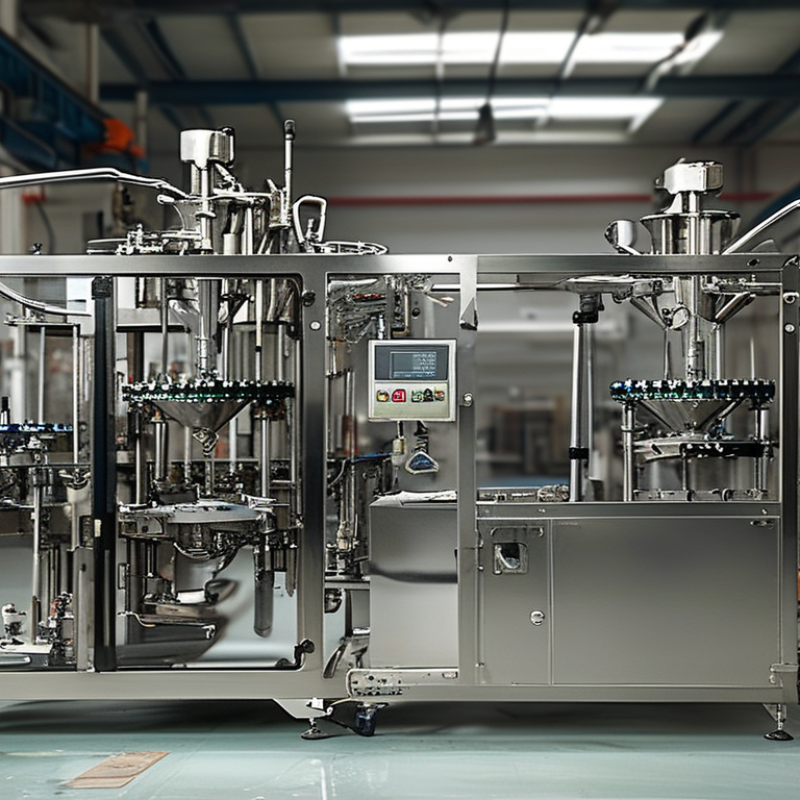
Types of Liquid Filling Machines and Their Applications
Liquid filling machines are essential for various industries, including food and beverage, pharmaceuticals, and chemicals. Each machine type serves different needs based on the product's characteristics. Gravity filling machines work best with thin liquids, utilizing weight to determine fill levels. Conversely, pump filling machines cater to thicker products, using positive displacement to dispense exact amounts. Vacuum filling machines excel in industries that require precision and minimal air exposure, preventing spoilage.
Recent industry reports indicate that the global liquid filling machine market will grow at a CAGR of 4.5%. This growth is driven by the increasing demand for packaged liquids, projected to surpass 305 million units by 2027. Professionals often overlook the importance of choosing the right filling machine. A poor choice can lead to production inefficiencies and increased costs. Understanding each type's application is vital for optimizing production processes.
When selecting a liquid filling machine, consider the product's viscosity and flow behavior. For high-viscosity products, specialized pump systems should be evaluated. Regular maintenance of the filling machine can prevent breakdowns. It’s crucial to train staff thoroughly. A knowledgeable team will ensure efficient production and minimize errors, leading to better product quality. Regularly reviewing production metrics can highlight areas for improvement and allow teams to adapt swiftly.
Best Liquid Filling Machine Options for Efficient Production
| Machine Type | Filling Method | Application | Speed (Bottles/Minute) | Ideal For |
| Piston Filler | Volumetric | Oils, Sauces | 20-30 | Thick liquids |
| Gravity Filler | Gravity | Juices, Water | 30-50 | Low-viscosity liquids |
| Vacuum Filler | Vacuum | Thin sauces, Oils | 15-25 | Fill without foaming |
| Peristaltic Filler | Peristaltic | Cosmetics, Chemicals | 10-20 | Corrosive liquids |
| Fully Automatic Filler | Automated | Beverages, Sauces | 60-120 | High volume production |
Key Features to Consider When Choosing a Liquid Filling Machine
When selecting a liquid filling machine, several key features can significantly impact production efficiency. One crucial factor is fill accuracy. According to industry reports, machines operating with ±0.5% accuracy optimize material usage and reduce waste. Achieving such precision not only saves costs but also ensures consistent product quality, vital for customer satisfaction.
Another important consideration is speed. High-speed liquid filling machines can reach rates of up to 200 bottles per minute. This capability is essential in industries like beverage manufacturing, where meeting demand while maintaining quality is a constant challenge. However, speed shouldn't compromise reliability. Machines that jam frequently can lead to downtime, which can be costly.
The machine’s adaptability also plays a role in efficiency. A versatile machine can handle various container sizes and liquid types. This flexibility allows businesses to quickly pivot their production lines according to market changes. Yet, selecting a machine with too many features can complicate operations. Striking a balance between functionality and simplicity is vital. Every production environment has unique needs. Thus, investing time in assessing these features will yield better long-term results.
Top Brands and Models of Liquid Filling Machines for Various Industries
When choosing a liquid filling machine, various industries require different features. For example, the food and beverage sectors often prioritize hygiene. Their machines must be easy to clean and maintain. In contrast, pharmaceuticals demand precision and minimal contamination risks. This makes selecting the right model crucial to ensure operational efficiency.
In recent years, several brands have emerged as leaders in liquid filling technology. Their models range from semi-automatic to fully automated systems. Each type offers distinct advantages. Semi-automatic machines are often more affordable and allow for greater operator control. Meanwhile, fully automated machines significantly increase production speeds but come with a higher upfront cost.
It is important to balance technology and usability. Investing in highly advanced machines can lead to operational complexities. Staff may struggle to operate them effectively. Training is necessary, and this often adds to the overall cost. A thorough assessment of your specific needs will help in choosing a machine that enhances productivity while still being user-friendly. Consider all factors carefully before making a decision.
Cost Analysis: Budgeting for Liquid Filling Machines in Production
When evaluating liquid filling machine options, cost analysis plays a crucial role. Understanding the various costs involved is essential for efficient production. The initial investment can be significant. Prices for liquid filling machines vary widely based on the technology and capacity.
Beyond the purchase price, consider operational costs. Maintenance and repair needs must be factored in. Machines require regular inspection, leading to potential downtime. This can affect productivity, so budgeting for unexpected repairs is wise. Training staff on the equipment also incurs costs. Investing in skilled operators can maximize the machine's efficiency and lifespan.
Don't overlook the total cost of ownership. While cheaper machines may seem appealing, they often come with hidden costs. Inefficiencies can lead to higher material waste and increased labor expenses. It’s important to weigh immediate savings against long-term operational efficiency. Balancing cost and quality will ensure better performance and reliability in production.
Liquid Filling Machine Cost Analysis
This bar chart illustrates the cost analysis of various types of liquid filling machines commonly used in production. The prices are indicative of the typical investment required for each machine type, helping businesses budget effectively.
Maintenance Tips for Ensuring Longevity of Liquid Filling Equipment
Liquid filling machines are crucial for efficient production. To extend the lifespan of this vital equipment, regular maintenance is key. Over time, components can wear down, impacting performance. Regular checks can prevent significant issues and downtime.
Routine cleaning is essential. Dust and residue can build up, leading to clogs and malfunctions. Consider using appropriate, non-abrasive cleaning agents to avoid damaging sensitive parts. Inspect seals and gaskets frequently. A small leak can escalate, causing more extensive problems that could halt production.
Another focus should be on lubrication. Proper lubrication reduces friction and wear. Failing to lubricate can result in overheating and equipment failure. Schedule regular servicing by qualified technicians for deeper inspections. They can identify potential issues before they develop into costly repairs. Maintain a reliable schedule for inspections. This is a continuous process that demands attention to detail. Assess and refine your maintenance practices based on past experiences. Sometimes, imperfections indicate areas for improvement.





