Best Laser Welding Machine for Efficient Metal Joining Solutions?
In today's manufacturing landscape, precision and efficiency are paramount. The demands for high-quality metal joining solutions have driven innovation in welding technology. Among these advancements, the Laser Welding Machine stands out as a key player. Its ability to deliver strong, precise joints with minimal heat input makes it invaluable for various industries, from automotive to aerospace.
Choosing the best Laser Welding Machine requires careful consideration. Different applications may need unique features and settings. Factors like power, speed, and beam quality play crucial roles. Some machines excel in thin materials, while others handle thicker metals better. Understanding the specific requirements of your projects can be challenging.
Despite the advancements, not all machines perform evenly. Some users report inconsistencies that raise questions about reliability. It's essential to assess the technology that best suits your needs. Exploring user experiences and expert reviews can provide helpful insights. A reliable Laser Welding Machine is an investment that can significantly improve your production efficiency while ensuring high-quality results.
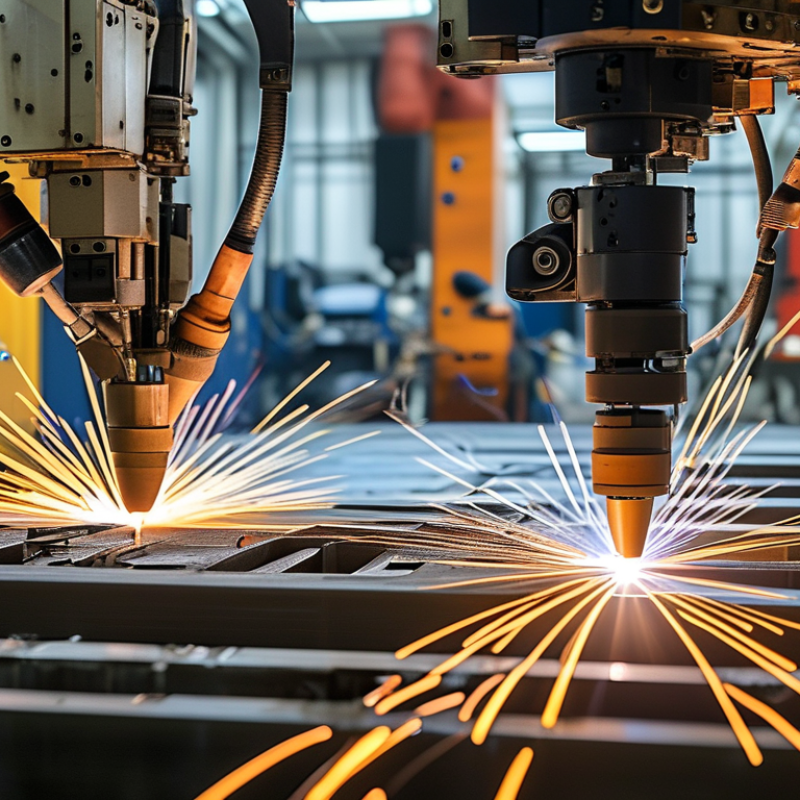
Types of Laser Welding Machines: An Overview of Available Options
Laser welding machines come in various types, serving different needs in metal joining. Each type offers unique advantages and capabilities tailored to specific applications. Knowing the options available can help in choosing the right machine for your projects.
Fiber laser welding machines use advanced technology for high precision. They are excellent for thin materials. The beam can easily penetrate various surfaces. This efficiency often results in cleaner and stronger joints. However, these machines require skilled operators to maximize their potential.
CO2 laser welding machines are versatile and widely used. They work well with different metals, including stainless steel and aluminum. Their flexibility is a strong point. Yet, they can be less precise than fiber lasers. Adjustments are necessary for optimal results. Then, there are Nd:YAG laser welders, offering pulse functionality. This is ideal for intricate designs. But they tend to take longer for larger tasks. Understanding these differences is crucial when selecting a laser welding solution.
Key Features to Consider in a Laser Welding Machine
When selecting a laser welding machine, understanding key features is crucial for optimal performance. The power output is one of the first aspects to consider. Generally, higher wattage can lead to faster welding speeds and deeper penetration. However, too much power can damage thin materials. Consider the metal thickness you'll be working with to find a suitable range.
Another important feature is the focusing lens. The lens affects the beam quality and the precision of the weld. A lens that offers flexibility in focusing can make a difference in various applications. Ensure that it is easy to adjust. This adaptability allows for better welding results across different types of materials.
Tips: Look for machines with user-friendly controls. Intuitive interfaces can significantly reduce learning curves. Also, regular maintenance is essential to ensure longevity and reliability. Inspect components like the laser source and cooling system frequently. This proactive approach can prevent unexpected downtime. Always evaluate your specific needs carefully before making a purchase.
Benefits of Using Laser Welding for Metal Joining Applications
Laser welding has emerged as an efficient solution for metal joining applications. This process delivers precision and speed, transforming how manufacturers approach assembly. According to recent data from the International Institute of Welding, the adoption of laser welding technology has increased by 25% annually over the last five years. This growth highlights its significance in industries such as automotive and aerospace.
One major benefit is the reduction of thermal distortion. Laser welding generates minimal heat, resulting in less warping of materials. A study conducted by the American Welding Society indicated that components experience a reduction in distortion rates by up to 30% compared to traditional welding methods. This precision leads to higher quality joins and less rework, saving both time and resources.
Another aspect worth noting is the versatility of laser welding. It can be used on various metals, including aluminum and steel. However, the initial investment cost might be high for small manufacturers. Additionally, operator training is crucial for achieving optimal results. It is essential to weigh these factors against the long-term benefits of improved efficiency and product quality. As the industry evolves, ongoing research and development will continue to enhance the capabilities of laser welding technology.
Top Brands and Models for Laser Welding Machines in 2023
In 2023, the demand for laser welding machines continues to rise. Industries like automotive and aerospace are leading the way. According to a report by MarketsandMarkets, the global laser welding equipment market is projected to reach USD 6.8 billion by 2026, growing at a significant CAGR. This growth indicates heightened interest in efficient metal joining technologies.
The latest models boast impressive features. Many machines offer precise control over parameters like power and speed. This results in cleaner welds and reduced thermal distortion. However, the high initial investment can be a barrier for smaller operations. A recent study highlighted that 38% of small manufacturers hesitate to adopt new technologies due to costs.
When choosing a model, operators must consider factors like ease of use and maintenance. Some machines require extensive training, which can be a drawback. Reliability is crucial; downtime can lead to significant losses. Industry experts suggest looking for machines with robust support and spare parts availability to mitigate these risks. While laser welding offers remarkable benefits, careful evaluation is essential for successful integration into production lines.
Maintenance Tips for Ensuring Longevity of Laser Welding Equipment
Maintaining a laser welding machine is crucial for its longevity and efficiency. Regular cleaning is essential. Dust and debris can accumulate and affect performance. Use a soft cloth to wipe surfaces weekly. Ensure the lens is clean; a dirty lens can lead to poor weld quality. Schedule routine inspections to catch potential issues early.
Proper cooling is another key factor. The machine should operate within its specified temperature range. Overheating can cause damage. Check coolant levels regularly and maintain the cooling system. If cooling isn’t efficient, consider professional maintenance.
It's also important to review operating procedures. Train operators to use the machine correctly. Misinformation can lead to accidents and equipment misuse. Encourage feedback from operators. They can provide insights into recurring problems. This reflection can lead to improvements in workflow and machine handling. Prioritize these aspects for a productive and durable welding operation.





