10 Best Kraft Paper Tape Laminating Machines for Buyers
Choosing among the 10 Best Kraft Paper Tape Laminating Machines for Buyers requires more than comparing prices and production speeds. A serious buyer must examine adhesive control, web tension, drying performance, roll alignment, and maintenance access. These details become visible on the factory floor. A loose edge, uneven coating, or dusty roller can damage an otherwise excellent production plan.
Packaging engineer Dr. Susan Selke is widely recognized for her work in packaging materials and sustainability. Her practical principle is highly relevant here: “Good packaging balances protection, efficiency, and responsibility.” A Kraft Paper Tape Laminating Machine should follow the same balance. It must create strong, clean tape while reducing waste, energy use, and unnecessary downtime. Operators should also inspect the machine’s control panel, emergency systems, compatible paper grades, and changeover process. Small features matter.
Not every impressive specification deserves trust. Some machines advertise high speed but perform poorly with delicate kraft paper. Others look affordable until replacement rollers and service costs appear. That is where buyers need experience, not only brochures. Test samples can reveal wrinkles, bubbles, weak bonding, and inconsistent tension within minutes. Still, no machine is perfect. Even experienced teams may overlook operator training or factory humidity. This guide compares ten leading options through practical buying factors, including output stability, construction quality, automation, after-sales support, and long-term value. The best choice may not be the fastest machine. It may be the one that runs steadily on an ordinary Tuesday.
What Is a Kraft Paper Tape Laminating Machine?
What Is a Kraft Paper Tape Laminating Machine?
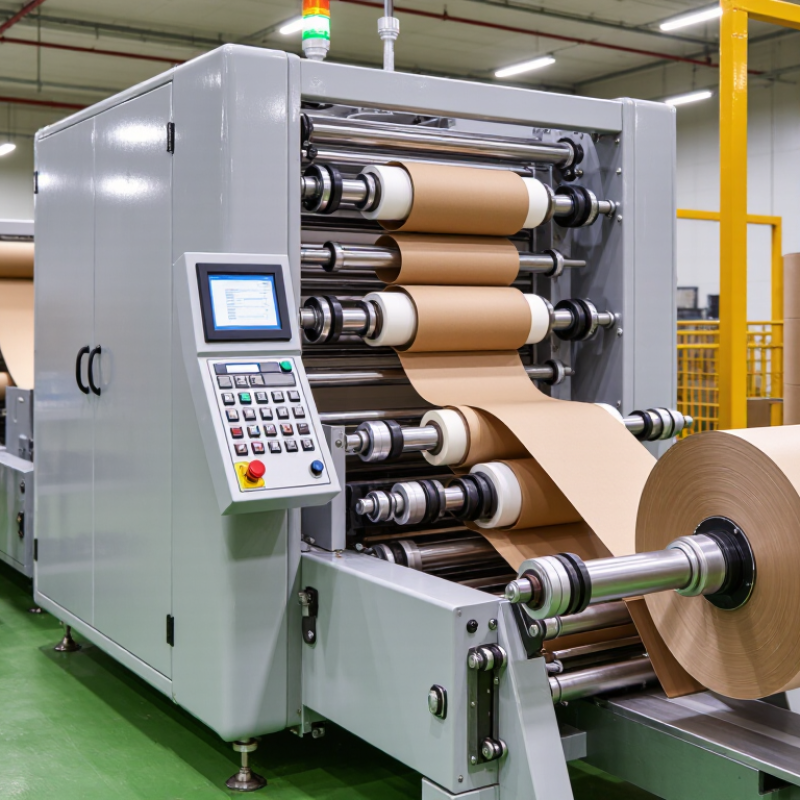
A kraft paper tape laminating machine bonds paper layers with adhesive, heat, pressure, or a combination. It creates a stronger tape roll for packaging, sealing, labeling, and light surface protection. The machine usually includes unwinding shafts, adhesive coating units, drying zones, laminating rollers, and a rewinding system. Each section affects tape quality. Uneven tension can cause wrinkles, while excessive heat may weaken the paper.
In practical production, operators adjust roller pressure and web speed to match paper thickness. A well-calibrated line produces smooth edges and consistent bonding. I have seen small tension changes create loose rolls and curled tape. That detail is easy to overlook. Moisture also matters, especially in humid workshops. Testing peel strength, roll appearance, and adhesive coverage helps verify performance. Results may still vary between paper batches, so fixed settings are not always reliable.
Tips: Check the paper width before setup. Clean adhesive residue from rollers regularly. Leave room for speed adjustments during testing. Choose temperature controls that respond steadily, not abruptly. Record each trial, including humidity and coating weight. This simple log can reveal patterns later. A machine may look efficient while wasting material through edge trimming, unstable winding, or repeated adjustments. Inspect those losses before judging its real operating cost.
Key Features to Compare Before Buying
When comparing kraft paper tape laminating machines, start with actual production needs. Measure the tape width, paper thickness, roll diameter, and expected daily output. A machine rated for high speed may perform poorly with thin paper. Uneven tension can create wrinkles, loose edges, or adhesive gaps. Slower can be better.
Check the tension control system carefully. Separate unwinding and rewinding controls help maintain stable pressure across the roll. Ask whether the machine supports adjustable laminating pressure and temperature. Some adhesive layers react badly to excessive heat. A clear control panel, emergency stop, and guarded moving parts also matter during long shifts. Small details matter.
Inspect the coating and alignment features. Edge guides should correct minor material movement without damaging the paper. Stainless steel contact parts may simplify cleaning when adhesive residue builds up. Ask how quickly operators can change roll sizes and clean the rollers. During practical evaluations, record setup time, waste length, noise, and power use. Catalog speed is only one measurement. It is easy to overlook maintenance access, and that mistake becomes expensive later.
Request sample testing with your own kraft paper and adhesive. Examine the finished roll under bright light. Look for bubbles, curled edges, uneven bonding, and telescoping. Confirm whether replacement rollers, sensors, and control components are available. Clear manuals and responsive technical support can protect production reliability. No machine is perfect, so leave room for adjustment.
How the Ten Best Machines Differ in Performance
In hands-on comparisons, the ten leading kraft paper tape laminating machines separate quickly by working speed. Some reach high output but struggle with narrow rolls. Others run more slowly and deliver cleaner edges. A practical test should measure finished rolls per hour, not only the advertised line speed. Warm-up time also matters. A machine ready in five minutes can save a surprising amount during short production runs.
Adhesive control creates another clear difference. Stronger models maintain steady pressure across uneven kraft paper. Their rollers leave fewer bubbles, wrinkles, and loose corners. Machines with adjustable temperature suit different coating materials, while fixed heat systems may waste time during setup. Web tension is equally important. Too much tension can stretch the paper; too little can produce crooked layers. Small adjustments make a visible difference.
User experience varies as well. Some machines provide simple touch controls and clear fault alerts. Others require repeated manual checks, especially when the roll diameter changes. Cleaning access affects reliability. Dust gathers around rollers, and neglected residue can reduce bonding quality. I initially valued speed too highly, but quieter operation and easier maintenance proved more useful on busy days. No machine performs perfectly. Even strong equipment may need slower settings for delicate paper or humid rooms. Buyers should compare real samples, energy use, noise, and operator effort before choosing.
Choosing a Machine for Materials, Volume, and Budget
Choosing among the 10 best kraft paper tape laminating machines starts with the material. Check paper weight, coating, width, and adhesive sensitivity before comparing speed. A machine that handles thin kraft paper may struggle with heavier sheets or recycled fibers. Ask for a sample run. Inspect the finished tape for wrinkles, loose edges, bubbles, and uneven bonding.
Production volume should guide the machine structure. Small workshops may need adjustable speed, simple controls, and quick roller changes. High-volume operations need stable web tension, continuous feeding, accurate temperature control, and durable rollers. Measure daily output honestly, including setup time and cleaning.
Speed alone can mislead. A fast machine that creates frequent waste may cost more than a slower, steadier model. Test the edges.
Budget includes more than the purchase price. Consider electricity use, replacement blades, rollers, training, service access, and expected downtime. A lower-cost machine can become expensive when parts are difficult to source. Request clear specifications and verify them with real material samples. Compare usable output, not advertised maximum speed.
Some buyers focus too heavily on automation. That can be a mistake. Simple controls may be easier to maintain and safer for smaller teams. However, manual adjustment can produce inconsistent tension during long runs. The right choice depends on your operators, floor space, and growth plans. Leave room for learning; production rarely matches the first estimate. A careful trial often reveals more than a polished brochure.
Maintenance, Safety, and Long-Term Operating Costs
When comparing the 10 best kraft paper tape laminating machines, buyers should inspect maintenance access carefully. A removable cover makes adhesive buildup easier to find. Check the rollers after every production shift. Dried glue can create uneven pressure, wrinkles, and wasted tape. Keep approved cleaning tools nearby. Avoid harsh solvents unless the equipment manual permits them.
Safety deserves equal attention. Look for guarded moving parts, a reachable emergency stop, and stable machine feet. Operators should never clear a jam while power remains connected. Short training sessions can prevent careless hand injuries. Keep loose sleeves and jewelry away from feed rollers. These details seem basic. They are often ignored during busy orders.
Long-term cost is more than the purchase price. Measure electricity use, replacement blades, rollers, belts, and cleaning supplies. Ask how quickly ordinary wear parts can be replaced. A low-cost machine may become expensive when downtime lasts several hours. Review service records from comparable production environments, not only sales claims. In practical evaluations, I would run a small batch first and inspect edge quality afterward. That test may reveal heat buildup or unstable tension. I would also record setup time, because repeated adjustments quietly consume labor. One weakness remains easy to miss: operators may over-clean sensitive components. Regular maintenance is necessary, but excessive handling can cause avoidable damage.





