5 Best Insulated Terminals for Reliable Wire Connections
A wire connection may look secure on a workbench and still loosen under vibration, heat, or repeated movement. Insulated Terminals help protect the crimp area and reduce the chance of accidental contact, but insulation alone does not guarantee a dependable connection. The terminal must match the wire gauge, conductor type, current demands, and available crimping tool. Small parts matter. A barrel that is too large can leave strands poorly compressed; one that is too small may damage them during installation.
This guide reviews five insulated terminal options for common wiring tasks, from spade connections to ring terminals. It considers practical details such as insulation material, barrel design, fit, and the clarity of the manufacturer’s specifications. These details are useful, but product claims should still be checked against the relevant datasheet and the needs of the specific project. There is no universal winner. A terminal suited to a sheltered control panel may not be the right choice near moisture, engine heat, or frequent vibration. That distinction is easy to overlook. Before crimping, confirm the wire size and use a compatible, properly adjusted crimp tool; then inspect the finished connection for a firm hold and exposed strands. The recommendations that follow can narrow the choices, though careful installation remains part of the result.
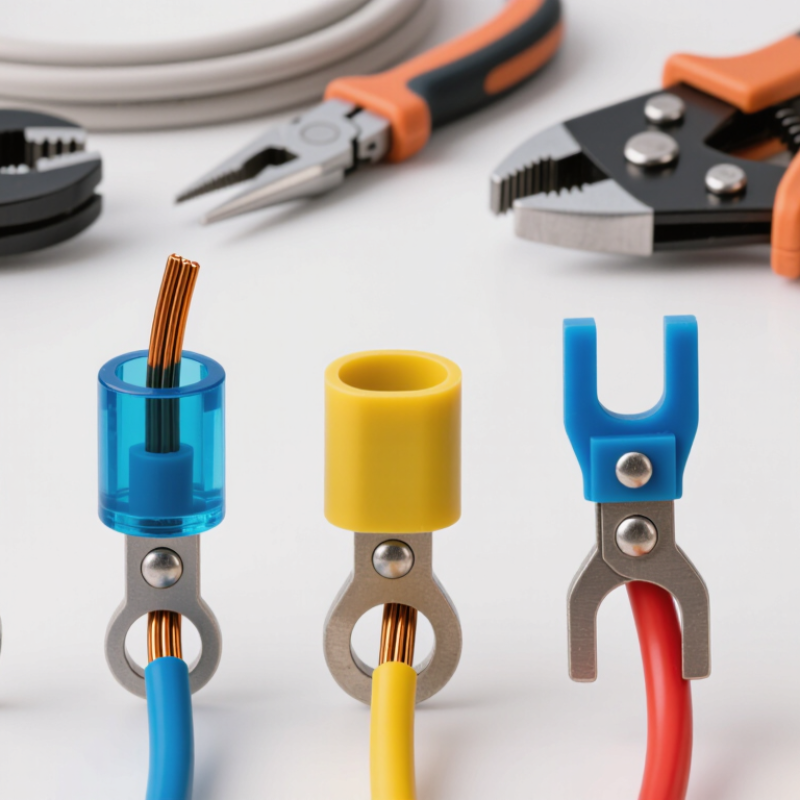
Insulated Terminals: Structure, Purpose, and Protection
An insulated terminal is more than a metal end with a plastic cover. Its conductive barrel receives the stripped wire, while a crimp compresses the barrel around the strands. The insulation sleeve helps shield the connection from accidental contact, abrasion, and some moisture. It does not make a connection waterproof or correct a poor crimp. A tidy-looking crimp can still be wrong.
Terminal choice depends on wire gauge, stud size, conductor material, and the equipment’s temperature rating. NFPA’s report on home structure fires involving electrical distribution or lighting equipment estimated an annual average of 32,620 fires from 2015–2019. The report does not isolate terminal failures, but it underscores why electrical connections deserve careful inspection. Look for a barrel that fits the conductor, intact insulation, and a secure crimp without cut or loose strands.
Tips: Strip only the specified length, then use a crimp tool matched to the terminal. Give the wire a gentle pull test. Check the connection after installation; visual inspection alone can miss a weak crimp.
How to Compare Insulated Terminals for Reliable Connections
When comparing insulated terminals, start with the conductor range, not the color. A terminal that fits 1.5 mm² wire may still crimp poorly onto stranded wire of a different construction. Check the listed wire size, strip length, barrel dimensions, and required crimp tool. A neat-looking crimp can still be loose.
Then compare insulation temperature ratings, voltage ratings, and resistance to moisture or vibration. These figures should match the actual environment, such as a warm equipment enclosure or a damp vehicle bay. IEC 61238-1-1:2018 covers type testing for power-cable connectors rated up to 1 kV and conductor sizes from 2.5 to 1,200 mm². That range is not a rating for small insulated terminals, but the standard illustrates why electrical and thermal testing matters. Ask for test documentation relevant to the terminal itself.
Look for documented pull-out strength, temperature performance, and crimp consistency, not just a glossy sleeve. Color coding helps with quick sorting. It is not proof of fit. I would also compare samples using the specified tool and wire, then inspect for exposed strands, cracked insulation, or uneven compression. Easy to miss. A datasheet may not show how a terminal behaves after repeated vibration, so that uncertainty deserves attention.
Five Leading Insulated Terminal Types and Their Best Uses
Insulated terminals serve different connection needs, and the terminal shape matters as much as the insulation. Ring terminals fit over a stud and resist slipping when secured with a nut, making them useful for connections exposed to vibration. Fork terminals slide beneath a screw head and allow faster removal, though they may be less secure if the screw loosens. Check the equipment instructions before choosing either style.
Quick-disconnect terminals join matching male and female tabs, useful for components that may need servicing. Butt-splice terminals connect two wire ends inside a covered crimp, helping create a neat inline joint. Pin terminals gather stranded wire into a narrow end for compatible screw-clamp terminal blocks. Not every block accepts them, so check its specifications.
Choose a terminal that matches the wire gauge, conductor material, and operating conditions. Insulation colors sometimes indicate wire size, but color conventions vary; verify the markings instead. Strip only the length specified, crimp with a tool designed for that terminal, and inspect the result. Then tug gently. A small mismatch can be easy to overlook, especially when the connection looks tidy. The crimp itself deserves a careful check.
5 Best Insulated Terminals for Reliable Wire Connections
Compare five common insulated terminal types by their typical connection function.
A value of 1 indicates a typical use; 0 means it is not the terminal’s primary intended use. Ring and fork terminals attach to studs or screws, quick-disconnect and bullet terminals provide separable plug connections, and butt splices join wires inline. Check the specific terminal’s wire-size, current, and temperature ratings before use.
Matching Terminals to Wire Gauges, Materials, and Ratings
A reliable insulated terminal starts with the conductor, not the color of its sleeve. IEC 60228:2023 covers nominal conductor sizes such as 0.75, 1.0, and 1.5 mm²; match the terminal’s stated range to the wire’s actual gauge. A loose crimp can pull free, while an oversized wire may not enter the barrel fully. Check the terminal’s specified crimp tool and die, too. Close enough is not a measurement.
Material matters. The Copper Development Association’s electrical data gives annealed copper conductivity as approximately 100% IACS at 20°C, a useful reference when checking conductor material. Copper and aluminum wires need terminals specifically rated for their material; ordinary copper-only terminals are not a safe substitute. Then compare the terminal’s voltage and temperature ratings with the application and nearby heat sources. The lowest-rated component sets the practical limit. UL 486A-486B addresses wire connectors and their performance testing, but a standard reference does not replace checking the terminal’s product markings and instructions. Small details, big consequences. A neat-looking crimp can still be wrong, and I’d verify the finished connection with a pull check before installation.
Crimping, Inspecting, and Maintaining Insulated Connections
A reliable insulated connection begins before the crimp. Match the terminal barrel to the wire gauge, then strip only the specified length. Stray strands, nicked copper, or insulation trapped in the conductor barrel can weaken contact. Insert the wire fully and use a crimp tool designed for that terminal type. A neat-looking crimp can still be wrong.
Inspect the connection under bright light. Check that the conductor reaches the barrel’s end, the insulation support grips the jacket, and no copper strands are cut or loose. For critical work, compare sample pull-test results with the terminal specification. The U.S. Bureau of Labor Statistics recorded 145 fatal work injuries involving exposure to electricity in 2022; the figure is not specific to terminals, but it underscores why careful workmanship matters. Small defects matter.
Tips: Keep connections de-energized during inspection. Look for green corrosion, cracked insulation, or heat-darkened sleeves. Replace questionable terminals rather than squeezing them again. Record wire size, terminal type, and inspection date; honestly, that simple log is easy to neglect.





