2026 Best Innovations in Sheet Metal Manufacturing Techniques?
The landscape of sheet metal manufacturing is rapidly evolving. Innovations are crucial for enhancing efficiency and reducing costs. According to a recent report by the Association for Manufacturing Technology, companies that adopt advanced techniques can see productivity increases of up to 30%. This shift is vital in a competitive market where precision and speed matter.
Experts like Dr. Emily Carter highlight the importance of these advancements: "Embracing new technologies in sheet metal manufacturing not only boosts output but also ensures higher quality products." The integration of artificial intelligence and automation is transforming traditional methods. However, it isn't without challenges. Many industries struggle to keep up with the pace of change.
As companies explore the 2026 best innovations, it's essential to reflect on both successes and setbacks. The balance between technology and skilled labor remains delicate. An increased focus on training alongside innovation could bridge this gap. The future of sheet metal manufacturing hinges on adaptability and ongoing improvement.
Innovative Materials in Sheet Metal Manufacturing for 2026
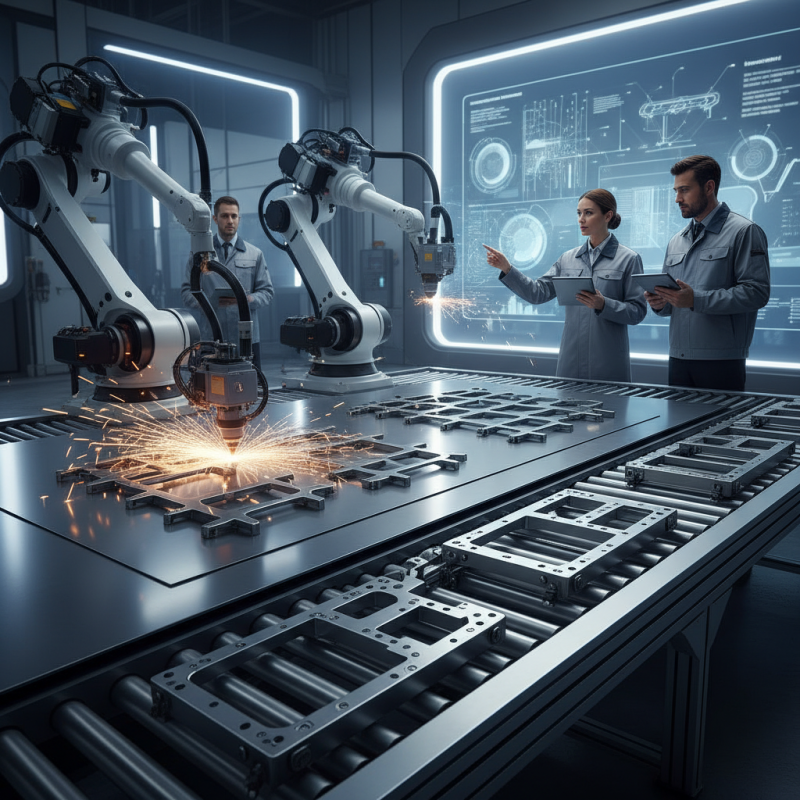
Innovative materials are transforming sheet metal manufacturing in 2026. Companies are now exploring advanced alloys and composites to enhance strength and reduce weight. These materials help improve energy efficiency during production. Additionally, they can enhance durability in final products, leading to longer life cycles.
Tips: Pay attention to weight distribution. A lighter sheet can optimize performance in various applications. Recycling metals is also gaining traction. Using recycled materials not only reduces costs but also minimizes environmental impact. Consider this approach as a way to innovate responsibly.
The integration of smart materials is noteworthy. These materials can change properties in response to environmental stimuli. However, they often come with higher costs and processing complexities. Future research is crucial to streamline these processes. New technologies can mitigate these challenges, making them more accessible. Understanding the limitations will foster further improvements.
2026 Best Innovations in Sheet Metal Manufacturing Techniques
| Innovation Technique |
Description |
Benefits |
Expected Impact |
| Laser Cutting Technology |
Utilizes high-powered lasers to cut metal sheets with precision. |
Increased accuracy, reduced waste, and faster production times. |
Higher efficiency in manufacturing processes across various industries. |
| 3D Printing in Metal |
Additive manufacturing techniques to create complex metal parts. |
Ability to create lightweight designs and reduce material usage. |
Potential to revolutionize prototyping and custom parts production. |
| Smart Manufacturing Systems |
Integration of IoT technology for real-time monitoring of production. |
Improved efficiency, predictive maintenance, and reduced downtime. |
Enhanced overall productivity and reduced operational costs. |
| Robotic Automation |
Use of robotic arms for tasks in metal fabrication. |
Increased precision, safety, and the ability to handle repetitive tasks. |
Significantly boosts production rates and worker safety. |
| Advanced Metallurgy |
Development of new metal alloys with enhanced properties. |
Improved strength-to-weight ratios and corrosion resistance. |
Broad applications in aerospace, automotive, and construction industries. |
Advancements in Automation and Robotics in Sheet Metal Production
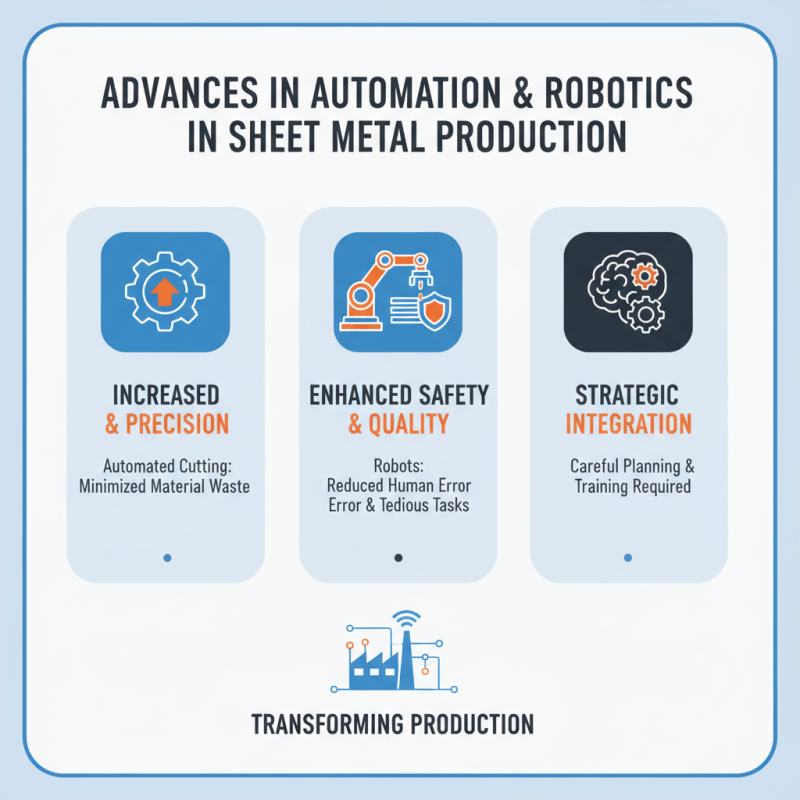
Automation and robotics are transforming sheet metal production. These advanced technologies increase efficiency and precision. For instance, automated cutting systems minimize material waste. Robots handle tedious tasks, reducing human error and enhancing safety in the workplace. However, integrating these systems requires careful planning and training.
While automation brings many benefits, challenges remain. The initial investment in these technologies can be steep. Not all facilities can afford the latest equipment. Additionally, there is a learning curve for operators. Poor implementation can lead to significant production delays. Familiarizing staff with new processes is essential for success.
Another concern is job displacement. As machines take over repetitive tasks, workers may feel threatened. Balancing innovation with workforce stability is a critical conversation. Manufacturers must find ways to reskill workers for emerging roles. Creating a seamless transition between traditional methods and new technologies is vital for the industry's future.
Sustainable Practices and Eco-Friendly Techniques in Metal Fabrication
Sustainable practices in sheet metal manufacturing have become increasingly vital. According to a recent report by the International Energy Agency, the metal industry accounts for about 7% of global CO2 emissions. Companies are now focusing on reducing this impact by implementing eco-friendly techniques. Techniques like laser cutting and precision metal forming consume less energy and generate less waste.
The shift towards recycling has also gained momentum. Approximately 90% of scrap metal can be recycled. This not only conserves resources but also reduces the carbon footprint of manufacturing processes. Facilities that incorporate closed-loop systems minimize material waste, enhancing sustainability. Yet, many manufacturers still face challenges. Transitioning to greener practices often requires significant investment and a shift in mindset.
Moreover, the integration of Industry 4.0 technologies is promising. Data analytics and smart manufacturing can optimize resource use. However, some companies struggle with the complexity of these technologies. Inconsistent adoption rates among businesses pose a barrier to widespread industry improvement. Balancing cost and sustainability is crucial for future advancements in metal fabrication.
2026 Best Innovations in Sheet Metal Manufacturing Techniques
Smart Technologies: IoT and AI in Enhancing Sheet Metal Processes
In 2026, the sheet metal manufacturing industry is witnessing significant transformations through IoT and AI technologies. Smart sensors are now integrated into machines, providing real-time data on production processes. This innovation allows for immediate adjustments, minimizing waste and maximizing efficiency. Sensors gather information on temperature, pressure, and material properties, helping operators make informed decisions quickly.
AI plays a vital role in predictive maintenance. By analyzing historical data, AI systems can forecast potential machine failures before they occur. This reduces downtime and repair costs, presenting a more reliable production environment. However, integrating these technologies poses challenges. Not all manufacturers are equipped to adopt advanced IoT solutions due to costs or lack of expertise.
Furthermore, there is a risk of over-reliance on automation. Human oversight remains crucial, as machines cannot replace the nuanced understanding experienced operators bring. Moreover, data security is a growing concern. Increased connectivity opens pathways for cyber threats, putting sensitive operational data at risk.
Balancing innovation with security measures is essential for sustainable growth in sheet metal manufacturing. Embracing these smart technologies requires a culture of continuous learning and adaptation, acknowledging that with advancements come new responsibilities.
Cutting-Edge Machinery and Tools Revolutionizing Sheet Metal Techniques
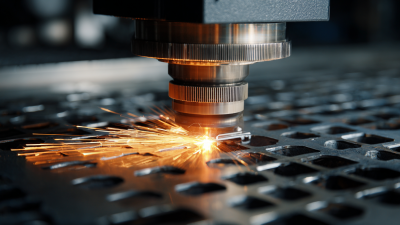
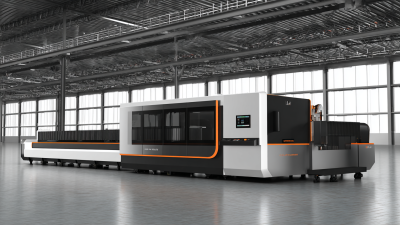
Sheet metal manufacturing is constantly evolving. Innovations in machinery are changing how industries approach fabrication. New technologies enhance precision and efficiency. Advanced laser cutting systems enable intricate designs with minimal waste. These lasers can process complex shapes quickly.
Robotic arms are another game changer. They automate repetitive tasks, reducing human error. Safety features in modern machinery ensure a safer work environment. However, this reliance on automation raises concerns. Workers may require additional training to adapt to these changes.
Additionally, software integration is becoming crucial. CAD systems help streamline projects, allowing for real-time adjustments. Yet, maintaining the balance between technology and human skills is vital. As firms embrace these advancements, challenges remain in fully integrating new methods with existing skills. The future holds promise and uncertainty in equal measure.