Best Industrial Touch Monitors for Effective Automation Solutions?
In today's fast-paced industrial landscape, the demand for reliable and efficient automation solutions is at an all-time high. According to a report by MarketsandMarkets, the global touch screen market is projected to reach $122 billion by 2024, driven largely by the increasing integration of Industrial Touch Monitors in various sectors. These monitors are revolutionizing operations by enhancing usability and efficiency on the production floor.
Industrial environments require robust devices. Touch screens must withstand harsh conditions such as dust, moisture, and temperature fluctuations. Studies indicate that rugged Industrial Touch Monitors can improve workflow by up to 30%. This shift towards intuitive interfaces fosters better human-machine interactions and reduces training time for operators.
Despite the advantages, choosing the right monitor can be challenging. With various models and specifications available, businesses must carefully consider their specific needs. Factors like screen size, resolution, and response time are crucial. Overlooking these details may lead to inefficiencies, hindering potential productivity gains. Hence, evaluating vendors and their offerings becomes vital in making informed purchasing decisions.
Understanding Industrial Touch Monitors and Their Importance
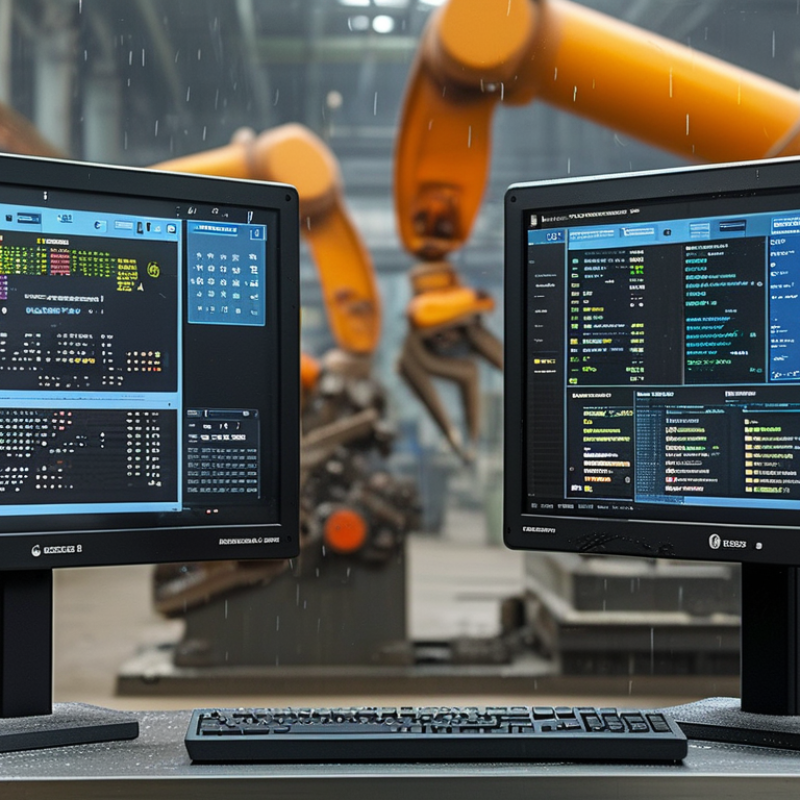
Industrial touch monitors play a vital role in modern automation solutions. They are designed for harsh environments requiring durability and precision. These monitors combine touchscreen technology with robust features, making them perfect for factories and utility settings. Their intuitive interfaces allow operators to interact efficiently with complex systems.
To fully appreciate their importance, consider usability. Operators need to access data quickly. A responsive touch monitor minimizes downtime and enhances productivity. However, not every feature is essential for every application. For instance, high resolution may not be necessary for basic tasks. A careful balance between functionality and cost is often required.
The choice of an industrial touch monitor can be overwhelming. Different specifications might confuse many users. Companies often overlook the need for compatibility with existing systems. This can lead to integration issues. Careful assessment of requirements is crucial. In some cases, seeking expert advice may help avoid common pitfalls.
Usage Statistics of Industrial Touch Monitors in Automation Solutions
Key Features to Consider When Selecting Touch Monitors
When selecting industrial touch monitors for automation solutions, certain features are crucial. The display size is paramount. Larger screens enhance usability, especially in complex environments. A report by MarketsandMarkets indicates that display sizes above 15 inches are trending in industrial applications. This dimension improves clarity, making data interpretation easier.
Durability is another essential factor. Touch monitors in industrial settings face harsh conditions. They need to resist dust, moisture, and extreme temperatures. An industry study highlights that 75% of equipment failures stem from environmental damage. Therefore, selecting monitors with IP65 ratings or higher is advisable for reliability.
Touch technology is also vital. Capacitive touchscreens offer better responsiveness compared to resistive ones. Research shows that capacitive screens can increase user efficiency by up to 30%. However, these screens may not perform well in wet conditions. It's key to balance these aspects based on specific operational needs.
Top Brands and Models of Industrial Touch Monitors in the Market
When exploring touch monitors for industrial applications, several brands stand out. These manufacturers focus on durability and performance in harsh environments, making their products highly reliable. For instance, many models offer water and dust resistance, crucial for factories. Additionally, high brightness and clarity ensure visibility even in outdoor or brightly lit settings.
A careful selection of features is necessary. Look for touch technology that allows for both wet and gloved hand use. Some units also integrate advanced gesture controls for seamless interaction. Screen sizes vary, catering to different space needs in factories and workshops. Ergonomic design is another consideration, as comfort plays a role in user efficiency.
However, potential drawbacks exist. Some monitors may suffer from limited connectivity options. It's crucial to check compatibility with existing systems. Price can also be a concern, as industrial-grade monitors often come at a premium. Balancing cost and features is essential for making an informed decision. Proper research and testing each model will help find the best fit for specific automation needs.
Applications of Touch Monitors in Automation Solutions
Touch monitors have become pivotal in automation solutions across various industries. Their applications are expanding rapidly, particularly in manufacturing, logistics, and healthcare sectors. According to a recent industry report, the global market for industrial touch monitors is projected to reach $1.2 billion by 2026, reflecting significant growth in adoption rates. These devices enhance user interaction, streamline processes, and reduce errors in automated environments.
In manufacturing, touch monitors facilitate real-time data access for operators. They allow for intuitive control of machinery, critical in high-stakes environments. The tactile interface enhances user experience, improving operational efficiency. In logistics, touch screens are used for inventory management, enabling easy tracking and quick updates. Healthcare facilities utilize them for patient management systems, leading to improved service delivery.
Tip: When selecting an industrial touch monitor, consider durability. Look for models that can withstand harsh environments, such as those with high temperatures or exposure to dust.
Another critical aspect is integration. Ensure the monitor seamlessly connects with existing systems. This can prevent disruptions in workflow that can occur during installation. Regular feedback from users can identify issues early, fostering continuous improvement.
Maintenance and Longevity of Industrial Touch Monitors
Maintaining the longevity of industrial touch monitors is essential for seamless automation solutions. Regular cleaning can enhance durability. Dust, grease, and moisture can cause malfunctions. Use a soft cloth and gentle cleaning agents. Avoid harsh chemicals that might damage screens. Proper maintenance extends monitor functionality.
Temperature fluctuations can impact performance. Industrial environments often experience extremes. Ensure monitors operate within specified temperature ranges. Overheating can lead to short-circuits. Inadequate cooling mechanisms may require regular inspection to prevent failures.
Additionally, check connectivity ports periodically. Frequent usage can lead to wear and tear. Loose cables may disrupt operations. Investing time in these details ensures reliability. While maintenance may seem tedious, it pays off in reduced downtime and operational efficiency. Regularly reviewing conditions also helps identify potential issues early. Being proactive can save resources in the long run.





