Find the Best Industrial Safety Helmet Supplier for Your Needs
Finding the right Industrial Safety Helmet Supplier is crucial for workplace safety. The right supplier not only provides various helmet options but also ensures compliance with safety standards. With numerous suppliers available, selecting one can be overwhelming. Their reliability affects the safety of workers in hazardous environments.
When browsing suppliers, consider their experience and expertise in safety equipment. Look for those with a track record of satisfied clients and proven products. It's essential to examine product specifications and certifications to ensure they meet industry standards. Not all suppliers offer the same quality or range of choices, making it vital to do your research.
Sometimes, suppliers may have strengths in certain areas but lack depth in others. This inconsistency can lead to gaps in safety coverage. It’s okay to ask questions and seek clarity about product functionalities. Building a partnership with a trustworthy supplier can significantly impact your workplace safety culture. Reliable helmets play a key role in protecting your workforce from serious injuries.
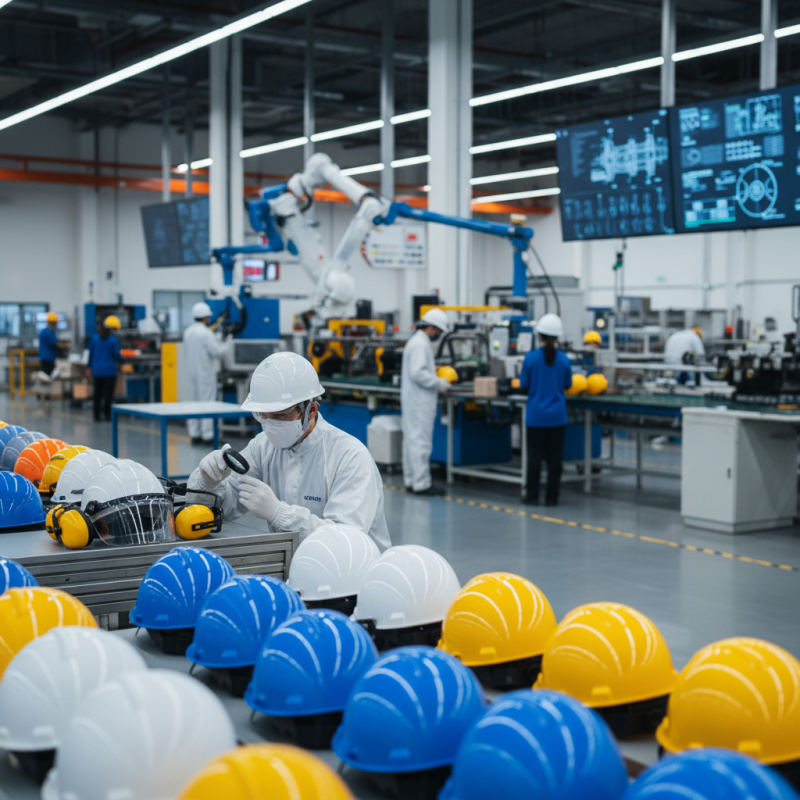
Understanding the Importance of Industrial Safety Helmets
Industrial safety helmets are essential for protecting workers. They shield heads from falls, debris, and electrical hazards. According to the National Institute for Occupational Safety and Health (NIOSH), about 1 in 10 construction workers experience head injuries. The right helmet can significantly reduce these risks.
Choosing the right helmet is not just about comfort. Helmets must meet specific guidelines and standards. The American National Standards Institute (ANSI) sets these standards. Compliance ensures that the helmet provides adequate protection. Look for features like adjustable sizing, ventilation, and durability. Each work environment may require different helmet specifications.
Tips: Always check for damage before using a helmet. A small crack can greatly affect its protection level. Assess your work environment. Does it involve heavy machinery or overhead work? Select a helmet designed for those risk factors. Remember, safety is paramount, but so is comfort; a well-fitted helmet encourages consistent use.
Industrial Safety Helmet Supplier Comparison
Key Factors to Consider When Choosing a Helmet Supplier
When choosing an industrial safety helmet supplier, several factors are crucial. First, evaluate the supplier's compliance with industry standards. According to the American National Standards Institute (ANSI), safety helmets must meet specific performance criteria to provide adequate protection. Suppliers that consistently adhere to these standards demonstrate reliability.
Another vital aspect is product variety. A diverse range of helmet types caters to various working environments. Whether it’s construction, mining, or manufacturing, different tasks require specific helmet features. For instance, some helmets might include integrated face shields or hearing protection. Research shows that companies prioritizing helmet features see a reduction in workplace injuries by up to 30%.
Pricing is also a significant factor, but it should not be the sole consideration. While lower-priced helmets may seem appealing, they may lack the necessary safety features or durability. According to industry surveys, investing in high-quality safety gear correlates with a decrease in injury claims. It’s wise to weigh cost against the potential risks of inadequate protection. Balancing price with quality ensures maximum safety in hazardous environments, making it essential for businesses to reflect on these choices.
Evaluating Supplier Reputation and Customer Reviews
Choosing the right industrial safety helmet supplier is crucial for workplace safety. Reputation and customer reviews provide valuable insights. A report by the National Safety Council (NSC) indicates that head injuries account for 19% of all workplace fatalities. High-quality helmets can drastically reduce these numbers.
When assessing supplier reputation, consider how long they’ve been in the industry. Experience often correlates with reliability. Customer reviews can reveal the quality of customer service and product durability. According to a recent survey, 75% of customers trust online reviews as much as personal recommendations. Look for suppliers with a high number of positive ratings.
Tips: When reading reviews, seek specific comments about comfort and fit. Customers often provide insights that data alone cannot offer. Don’t overlook any negative feedback. Use it to gauge if a supplier acknowledges and addresses concerns. A responsive supplier demonstrates commitment to quality.
Comparing Product Quality and Certification Standards
When selecting an industrial safety helmet, evaluating product quality and certification standards is crucial. A report by the National Safety Council highlights that more than 20% of workplace head injuries occur in construction. This underscores the necessity of using certified helmets. Compliance with ANSI Z89.1 standards ensures that head protection products meet essential performance requirements. Not all helmets are created equal; some may fall short in impact resistance or penetration tests.
Certification marks serve as a reliable indicator of product quality. Helmets certified by recognized organizations are designed to provide adequate protection. However, not all suppliers prioritize these standards. A study published in the Journal of Safety Research indicates that helmets lacking proper certification can increase injury risk by up to 30%. This raises important questions about the supplier's commitment to safety. Choosing a helmet from a supplier with a proven track record in certification can significantly reduce workplace accidents.
Additionally, the materials used in helmet construction play a significant role in durability. Some suppliers may opt for lower-quality materials, affecting the helmet's lifespan and safety. While this can reduce costs, it can also compromise worker safety. It’s essential to scrutinize both the certification and the materials used in helmet manufacturing to make an informed choice.
Exploring Pricing and Warranty Options for Safety Helmets
When selecting an industrial safety helmet, pricing and warranty options play crucial roles. Understanding the costs associated with these helmets can help you make an informed decision. Prices can vary significantly based on materials and features. Basic helmets might start at a lower price point, while advanced models with specialized protection can be more expensive.
Consider evaluating warranty options carefully. A longer warranty often indicates a manufacturer’s confidence in their product's durability. Check what the warranty covers. Some may only cover defects, while others might include accidental damage. This can influence your investment choice.
**Tip:** Always compare at least three suppliers. This helps you gauge average pricing and warranty offerings in the market.
Not all helmets are created equal in terms of comfort and fit. Seek out those that provide adjustable features. A good fit ensures safety and enhances the wearing experience.
**Tip:** Read customer reviews online. They can provide insights on how well a helmet performs after prolonged use.
Making a thoughtful choice about pricing and warranties can lead to better protection and long-term value.





