


10 Best Industrial Panel PCs for Global Buyers

Industrial automation is moving from isolated machine control toward connected, data-driven production. The International Federation of Robotics reported 541,302 industrial robots were installed worldwide in 2023. Each robot cell needs dependable interfaces for operators, technicians, and maintenance teams. That is where an Industrial Panel Pc becomes practical. It can display alarms, production figures, camera feeds, and maintenance instructions beside noisy equipment.

The International Data Corporation’s Worldwide Edge Spending Guide projects global edge-computing investment to reach approximately $378 billion by 2028. This growth increases demand for rugged computing near machines, rather than relying only on distant servers. MarketsandMarkets also identifies industrial computers as important platforms for automation, manufacturing analytics, and industrial IoT deployments. These reports suggest a clear direction. Yet market growth does not make every panel PC suitable for every factory.

Global buyers must examine screen brightness, glove-touch performance, processor life cycles, operating temperature, ingress protection, mounting options, and long-term support. A bright 15.6-inch display may work beside a packaging line, while a sealed fanless unit may better suit dusty processing areas. Small details matter. A difficult-to-replace cable can create unnecessary downtime.

This guide compares ten leading Industrial Panel Pc options for international purchasing teams. It considers specifications, application fit, reliability, service availability, and integration requirements. The ranking is useful, but not absolute. Real factory conditions vary, and published laboratory ratings may not reflect vibration, heat, or cleaning routines on site. Buyers should validate shortlisted models through pilot testing, supplier documentation, and local support checks before making a final decision.
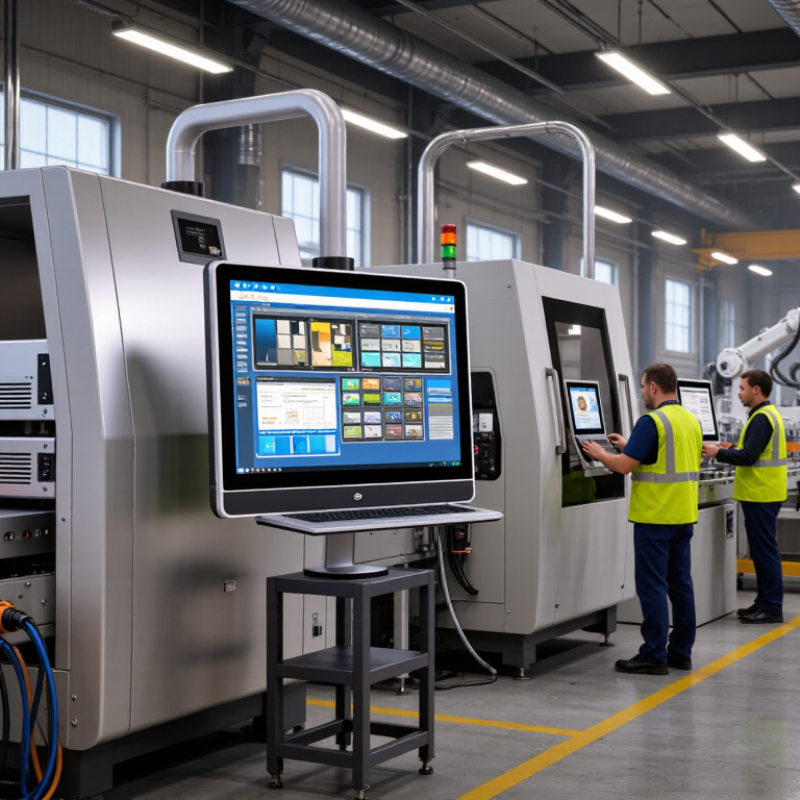
10 Best Industrial Panel PCs for Global Buyers

What Is an Industrial Panel PC and Where Is It Used?

An industrial panel PC is a computer built into a flat, protected display. It combines processing, touch control, and industrial connectivity in one enclosure. Unlike an office desktop, it can operate near vibration, dust, humidity, and changing temperatures. Its sealed front surface also makes cleaning easier around machines and workstations.

In a production line, operators use panel PCs to monitor sensors, adjust settings, and view alarms. A 15-inch screen may show motor speed, temperature readings, and production counts at once. In warehouses, these computers support inventory control, barcode scanning, and conveyor management. Transport facilities may use them for scheduling and equipment status. Outdoor applications need stronger brightness and wider temperature tolerance.

Global buyers should check mounting dimensions, processor performance, operating-system support, and available ports. Ethernet, USB, serial connections, and wireless options may all matter. The enclosure rating deserves close attention. A dusty workshop and a washdown area require different protection levels. One mistake is choosing a powerful computer without confirming its cooling method. Fanless designs reduce moving parts, but they may limit performance in demanding applications. Another overlooked issue is glove-friendly touch control. Small buttons can frustrate operators during a long shift. Reliable documentation, warranty terms, replacement availability, and regional electrical compliance also affect real ownership costs. Even experienced teams sometimes focus on screen size first. That decision can age badly.


10 Best Industrial Panel PCs for Global Buyers: Common Display Formats

Industrial panel PCs are integrated computing systems with a display, processor, touch interface, and industrial-grade enclosure. They are commonly used for factory automation, machine control, process monitoring, transportation systems, energy infrastructure, food processing, and pharmaceutical production.

Smaller 7-inch and 10.1-inch panel PCs are often selected for compact machine interfaces and equipment control. Larger 15.6-inch to 19-inch formats provide more workspace for production dashboards, SCADA screens, quality inspection, and multi-panel process visualization. Buyers should also verify operating temperature, touch technology, mounting method, connectivity, enclosure protection, and the required IP rating for the installation environment.

Which Specifications Matter When Choosing an Industrial Panel PC?

Choosing among the 10 best industrial panel PCs starts with the working environment, not the processor. Deloitte’s 2024 Smart Manufacturing Survey found that 86% of manufacturers view smart operations as a competitiveness driver. That pressure makes reliable edge computing essential.

Check the display first. A 15.6-inch screen with 1,000-nit brightness remains readable near factory windows. Projected-capacitive touch supports gloves only when properly tuned. In wet areas, specify a sealed front panel rated IP65 under IEC 60529. IP69K may matter near high-pressure washdowns. It does not replace full enclosure protection.

Processor choice depends on workloads. Simple dashboards need modest quad-core performance, while vision inspection needs stronger graphics and at least 16GB RAM. Solid-state storage reduces shock risk, but confirm endurance ratings and replacement access. Wide-temperature operation, typically -20°C to 60°C, helps in unconditioned rooms. Fanless designs reduce dust entry, though passive cooling can throttle performance.

A 2024 industrial cybersecurity survey reported that 41% of manufacturers experienced operational technology incidents linked to insecure devices. Therefore, select secure boot, signed firmware, TPM support, and controlled ports. I once focused too heavily on CPU speed; it was the wrong priority. Cable routing, mounting depth, sunlight, vibration, and service access often decide real-world success. Ask for IEC 60068 test evidence, not vague claims. Safety certifications must match the installation region.

10 Best Industrial Panel PCs for Global Buyers - Which Specifications Matter When Choosing an Industrial Panel PC?

Comparison of representative industrial panel PC configurations based on commonly available specifications for factory automation, process control, logistics, transportation, and outdoor industrial applications.

Rank Configuration Profile Display Size Resolution Touch Technology Processor Class Memory and Storage Ingress Protection Operating Temperature Typical I/O Mounting Options Typical Application Key Buying Consideration
1 15.6-inch Full HD Automation Panel PC 15.6 inches 1920 × 1080 Projected capacitive, multi-touch Low-power quad-core x86 processor 8 GB RAM; 128 GB industrial SSD Front IP65 0°C to 50°C 2 × Gigabit Ethernet, 4 × USB, 2 × RS-232/485, HDMI Panel mount, VESA mount Machine control, production monitoring, HMI stations Balanced screen size, performance, and installation cost
2 10.1-inch Compact Control Panel PC 10.1 inches 1280 × 800 Projected capacitive, glove-compatible Fanless dual-core or quad-core x86 processor 4 GB RAM; 64 GB industrial SSD Front IP65 0°C to 50°C 2 × Gigabit Ethernet, 2 × USB, 2 × RS-232/485, digital I/O Panel mount, arm mount Compact machinery, packaging lines, kiosks Useful where cabinet space and power consumption are limited
3 21.5-inch Wide-Screen Visualization Panel PC 21.5 inches 1920 × 1080 Projected capacitive, multi-touch Mid-range quad-core or six-core x86 processor 8 GB RAM; 256 GB industrial SSD Front IP65 0°C to 50°C 2 × Gigabit Ethernet, 4 × USB, 2 × RS-232/485, DisplayPort Panel mount, VESA mount SCADA dashboards, control rooms, production analytics Large viewing area improves visibility of complex interfaces
4 15-inch Resistive-Touch Panel PC 15 inches 1024 × 768 5-wire resistive touch Fanless quad-core x86 processor 4 GB RAM; 64 GB industrial SSD Front IP65 0°C to 50°C 2 × Gigabit Ethernet, 4 × USB, 4 × RS-232/485, isolated digital I/O Panel mount, wall mount Gloved operation, legacy equipment, industrial terminals Resistive touch is practical for gloves, styluses, and dusty environments
5 17-inch Extended-Temperature Panel PC 17 inches 1280 × 1024 Projected capacitive or resistive touch Industrial quad-core x86 processor 8 GB RAM; 128 GB industrial SSD Front IP65 -20°C to 60°C 2 × Gigabit Ethernet, 4 × USB, 4 × RS-232/485, CAN bus Panel mount, VESA mount Cold-storage facilities, workshops, utility systems Temperature range should match the actual cabinet and site conditions
6 12.1-inch High-Brightness Panel PC 12.1 inches 1024 × 768 Projected capacitive, anti-glare surface Low-power quad-core x86 processor 8 GB RAM; 128 GB industrial SSD Front IP65 0°C to 50°C 2 × Gigabit Ethernet, 3 × USB, 2 × RS-232/485, HDMI Panel mount, swing-arm mount Bright production halls, inspection stations, logistics areas Brightness of at least 500 cd/m² is useful in high-ambient-light locations
7 19-inch Performance Panel PC 19 inches 1280 × 1024 Projected capacitive, multi-touch High-performance six-core or eight-core x86 processor 16 GB RAM; 256 GB industrial SSD Front IP65 0°C to 50°C 2 × Gigabit Ethernet, 6 × USB, 4 × RS-232/485, dual display output Panel mount, VESA mount Machine vision interfaces, MES clients, advanced SCADA More memory and processing capacity support demanding software workloads
8 7-inch Embedded Industrial Panel PC 7 inches 1024 × 600 Projected capacitive, multi-touch Energy-efficient ARM or low-power x86 processor 4 GB RAM; 32 GB or 64 GB industrial flash storage Front IP65 0°C to 50°C 1 × Gigabit Ethernet, 2 × USB, RS-232/485, isolated digital I/O Panel mount, flush mount Equipment status displays, compact controllers, building systems Best suited to focused interfaces rather than complex desktop applications
9 Outdoor-Ready 15.6-inch Panel PC 15.6 inches 1920 × 1080 Projected capacitive, optical-bonded display Fanless quad-core industrial x86 processor 8 GB RAM; 128 GB industrial SSD Front IP65; sealed enclosure required for higher protection -20°C to 60°C 2 × Gigabit Ethernet, 4 × USB, 2 × RS-232/485, optional wireless Panel mount, VESA mount Outdoor logistics, utility monitoring, transportation facilities Check sunlight readability, condensation control, surge protection, and enclosure design
10 17-inch Fanless Stainless-Steel Panel PC 17 inches 1280 × 1024 Projected capacitive, sealed front surface Fanless quad-core industrial x86 processor 8 GB RAM; 128 GB industrial SSD Front IP66 0°C to 50°C 2 × Gigabit Ethernet, 4 × USB, 2 × RS-232/485, digital I/O Panel mount, hygienic flush mount Food processing, pharmaceutical production, clean manufacturing Sealed stainless-steel construction simplifies washdown and sanitation procedures
Specification note: Actual performance depends on the selected processor, operating system, enclosure, display brightness, storage type, and optional I/O. Buyers should verify certifications, EMC compliance, power input range, warranty terms, lifecycle availability, and environmental ratings for the intended installation.

How to Compare the 10 Best Industrial Panel PCs

How to Compare the 10 Best Industrial Panel PCs

Comparing industrial panel PCs requires more than checking processor speed. Start with the working environment. A dusty workshop, refrigerated room, or outdoor cabinet creates different demands. Check the operating temperature, humidity range, shock resistance, and IP rating. These details often matter more than a faster processor.

Examine the display under real lighting. A panel that looks clear indoors may become unreadable beside a factory window. Test brightness, viewing angles, glove touch, and screen response. Review the processor, memory, storage, and operating system support together. During equipment evaluations, I have seen expensive systems struggle because their cooling design was overlooked. That mistake can affect reliability and service costs.

Tips: Request sample units when possible. Test them with your actual software, cables, gloves, and control devices. Compare mounting depth and connector placement before installation. Confirm long-term spare-part availability, warranty terms, certifications, and technical support in your region. A low purchase price may hide difficult maintenance. I also recommend recording startup time and screen response during repeated tests. The results may feel unremarkable, but small delays can frustrate operators throughout a shift. No comparison is perfect. Your site conditions should decide the final ranking.

What Are the Key Features of Each Recommended Model?

Industrial panel PCs serve different working conditions, so screen size alone should not decide a purchase.

Model 1, a compact 7-inch unit, suits tight control cabinets and offers low power consumption.

Model 2 uses a 10-inch projected-capacitive display, allowing gloved operators to read alarms clearly.

Model 3 adds an IP65 front panel and sealed connectors for dusty production areas.

Model 4 provides a wide-temperature processor, which helps equipment start reliably in cold warehouses.

Model 5 is built around a fanless design, reducing dust entry and mechanical noise.

Model 6 includes dual Ethernet ports for separate machine and management networks.

Model 7 supports serial communication, USB expansion, and isolated input-output terminals for older machinery.

Model 8 combines a sunlight-readable screen with adjustable brightness, making it practical near loading bays.

These details matter during installation. A beautiful screen cannot repair weak cable routing.

Model 9 offers a larger 15.6-inch display for dashboards, maintenance drawings, and trend charts. Its higher memory capacity supports heavier industrial software, although performance depends on the operating system.

Model 10 focuses on rugged operation, using a reinforced metal housing, vibration resistance, and a replaceable storage module.

I would still test every unit with the actual sensors and cables. Compatibility claims can look convincing on paper.

In field projects, mounting depth is often overlooked, and one otherwise capable panel PC may simply not fit the cabinet.

How Can Global Buyers Select the Right Industrial Panel PC?

Choosing an industrial panel PC starts with the installation site, not the processor. Record ambient temperature, humidity, dust, vibration, sunlight, and available cabinet space. A factory floor may need an IP-rated front panel and a sealed, fanless enclosure. A warehouse kiosk may prioritize bright display visibility and glove-friendly touch response. Measure twice.

Screen size matters, but viewing distance and operator tasks matter more. Select projected capacitive touch for clean areas, or resistive touch for gloves and rough handling. Check brightness in direct light, viewing angles, and long-term readability. Confirm processor performance with the actual software, not a supplier’s benchmark alone. Allow memory and storage headroom for updates, logging, and cybersecurity tools. Review ports carefully: Ethernet, serial, USB, digital I/O, and display outputs should match existing equipment.

For global deployment, verify electrical input ranges, language support, documentation, and applicable safety certifications. Ask about operating temperature tests, ingress protection evidence, burn-in procedures, spare parts, and repair timelines. A pilot unit can reveal glare, mounting problems, or touch errors that datasheets hide. In one evaluation, the chosen screen looked excellent indoors but failed under afternoon sunlight. That mistake changed our acceptance checklist. Do not overlook lifecycle planning; a low purchase price can become expensive when replacements arrive too soon.

Powder Coat Booths

For those larger-sized parts, or smaller quantity runs, we have 2 independent powder coat booths and ovens. The quality, durability and affordability of today’s powder coating finishes make this the process of choice for world-class companies.

Powder coating advantages over other forms of coating are many. Materials used in the Powder coating process can be metals and non-metals that come in a multitude of thicknesses, textures, colors, etc. Another of Powder coating’s biggest advantages over conventional coatings is its ability to create finishes in many different textures. Powder Coating Booths allow us the ability to apply these advantages to large products.

Wet Paint Line

Tri-State Fabricators runs a full-service conveyor line for painting. Wet painting can provide protection or decoration to many different part styles. From start to finish, every project is easier to undergo random and point-based inspection by our skilled painting team.

Advantages to our Wet Paint Line are these lines start with product prep and ends with a thorough inspection of a high quality finished product. Our ability to complete large and small projects with a superior finish and doing so in a timely and economical fashion. This passes along the savings in production to our customers. When powder coating ins not an option, our Wet Paint Line gets the job done right the first time.

Wet Paint Booths

When the parts get big and heavy we roll-out our custom paint racks and oversize booth. By utilizing our partnerships with all the major paint brands, we can match virtually any color with wet paint.

The advantages of having access to a Wet Paint Booth are many. Large projects of many different shapes can be loaded into the booth. The Wet Paint Booth offers an environment that is much more controlled than a typical parts painting operation.

Not only are they used because of their controlled environment, but they’re are also advantageous when it comes to applying paint to parts that are needed in industries that require specialty coatings such as medical, aerospace, etc.

Military CARC

Our military forces have some very high standards when it comes to the finish of their vehicles and equipment. From the first pre-treatment step to final coat, it takes a great deal of knowledge and experience to protect the men and women of our armed forces. They deserve only the best, and Tri-State Fabricators provides it.

All of our processes are closely monitored by our staff and management teams. Both of which are highly trained in the processes of metal fabrication and finishing. Tri-State Fabricators’ goal is to always fully satisfy each and every customer, including the military. We will always put a 110% into what we do.

Glass-Bead Blasting

Abrasive media blasting is an excellent way to remove old paint, rust, and increase the paint/powder adhesion. Glass beads produce a much smoother and brighter finish than angular abrasives; leaving the part clean yet without any dimensional change. Chemically inert and environmentally friendly, we can recycle our beads approximately 30 times; making them a more preferred method of metal cleaning or surface finishing.

Advantages to Glass Bead Blasting are many. Glass bead blast media is used when a project is needing rough surfaces need to become smooth for applications of coatings such as paint. It is typically used to clean paint and rust from a product surface without deforming the surface it is being used on. Overall, compared to many other blasting media, Glass Bead Blasting is a very economical choice and those savings are always passed on to our customers.

Part Washing

Tri-State Fabricators utilize a zinc phosphate wash to clean and etch the material to ensure the best paint adhesion possible. The unique design of our 3-stage wash system does the work like a 5-stage. From Cleaning and rinsing to conversion coating and post-treatment, Our Part Washing process is a complete service and works throughout the fabrication service and the finishing service.

Along with the previously mentioned benefits, Curing is a vital chemical reaction that leaves the product finish hard and relatively safe from mild abrasion and aggressive corrosion. This process can be done in more than one way; ambient air-dry or in curing ovens at temps that exceed 240°.

Burn-Off Oven

From fixing paint mistakes (someone else’s of course) to simply cleaning our paint line hooks, our burn-off oven is put to good use. After a quick burn-off, a little clean up, and a fresh coat of paint, your parts will look better than new.

Why does our Burn-Off Oven work so well? Because super heating the air around parts turns the materials into ashes. From paint and powder coatings to rubber and machining oils, high temps do the job without degrading the integrity of the part.

Masking

Masking is a vital part of producing high quality products. We have die-cut masking patterns to protect machined surfaces as well as a wide range of plugs and caps to protect threaded holes and bolts. We provide permanent and temporary masking.

Masking allows the selected sections of a product to be protected from a fabrication or finishing service. This can be with both chemicals when etching and tapes, paints when only finishing just a section of the product. Masking is great in aiding the customization process of a project.

Screen Printing

Screen printing is a photographic process that transfers artwork onto a porous nylon screen which allows colored ink to flow through the screen and be deposited on an aluminum or plastic component. We can generally have just about any design created onto a screen for your parts.

Some of the advantages of Screen Printing are, brand recognition for your business displaying on your products, assembly instructions, product warnings/hazards, etc. Tri-State Fabricators produces Screen Printing of the highest quality so you know it’s durable.

Metal Finishing

Metal Finishing is the art of treating the exterior portion of product, often metal but can also be made of other materials, so that the surface is clean and free of any debris. Then the process of applying coats or either paint of powder coat takes place. This coating process improves the quality of the product in both appearance and resistance to wear and corrosion.

Tri-State Fabricators, Inc., understands that a project typically isn’t complete until a high-quality finish has been added to your product. This is why our painting and powder coating teams continuously inspect the products throughout the Metal Finishing process.
