Best Industrial Conveyor Belt Options for Efficient Transportation?
The efficiency of industrial operations heavily relies on the proper selection of an Industrial Conveyor Belt. These belts transport materials seamlessly across various sectors, from manufacturing to food processing. An effective conveyor system optimizes workflow, reduces manual labor, and enhances productivity.
Choosing the right belt requires understanding the specific needs of your industry. Factors like material type, weight capacity, and environmental conditions play crucial roles. Additionally, not all belts are created equal; some may wear out faster or may not handle certain loads effectively.
By evaluating multiple conveyor options, companies can avoid costly mistakes. Industry expertise is essential for identifying reliable suppliers and materials that last. A well-informed choice can lead to improved performance and a significant return on investment. Understanding these elements ultimately aids in achieving operational excellence.
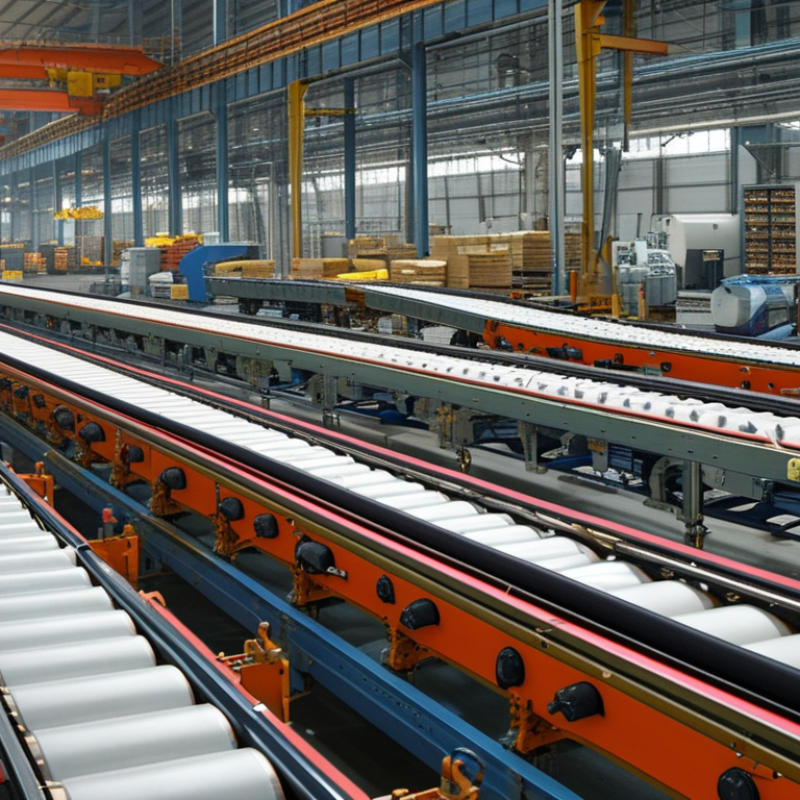
Types of Industrial Conveyor Belts and Their Applications
Conveyor belts are essential for various industries, facilitating the smooth transport of materials. Different types of conveyor belts serve distinct purposes. For example, rubber belts are widely used in manufacturing and are known for their durability. They can handle heavy loads and are effective in harsh environments. On the other hand, fabric belts are lighter and ideal for moving lighter items. Their flexibility allows for easier installation in tight spaces.
In addition to these, modular belts made of plastic offer versatility. They are easy to clean and maintain, making them a popular choice in the food processing industry. Stainless steel belts are another option. They are resistant to corrosion and can handle extreme temperatures, making them suitable for both freezing and heating processes.
Each type has its strengths and weaknesses. The choice depends on specific needs and operational challenges. Improper selection may lead to inefficiencies. Reflecting on these choices helps improve processes. Being informed enables industries to optimize their conveyor systems effectively. This knowledge is vital for enhancing productivity and ensuring smooth operations.
Best Industrial Conveyor Belt Options for Efficient Transportation
| Belt Type | Material | Load Capacity | Speed | Common Applications |
| Flat Belt | PVC/Polyester | Up to 1000 kg/m | 0.5 - 5 m/s | Sorting, packaging, assembly |
| Modular Belt | Plastic | Up to 1500 kg/m | 0.1 - 3 m/s | Food processing, bottling |
| Steel Belt | Steel | Up to 2000 kg/m | 1 - 10 m/s | Heavy-duty applications, high temperatures |
| Rubber Conveyor Belt | Natural/Synthetic Rubber | Up to 1200 kg/m | 0.3 - 3 m/s | Mining, construction, gravel |
| Wire Mesh Belt | Stainless Steel | Up to 800 kg/m | 0.5 - 3 m/s | Cooling, drying, baking |
Factors to Consider When Choosing a Conveyor Belt
When selecting a conveyor belt, several factors demand careful consideration. The material of the conveyor belt is crucial. Different materials offer various flexibilities and resistances to chemicals or high temperatures. For instance, rubber belts provide good traction. However, they may not withstand extreme applications.
Load capacity must also be assessed. Understand the weight your conveyor belt will carry. Overloading can lead to rapid wear or failure. Along with weight, the environment plays a role. For instance, belts operating in wet or oily conditions require specific designs. Ignoring these conditions might lead to avoidable complications.
Speed requirements are another key aspect. Different operations have different ideal speeds. Incorrect speeds can affect efficiency. Additionally, maintenance needs can vary widely between types. Some belts necessitate regular checks, while others may require less attention. Neglecting this could result in downtime or unexpected repairs. Knowing the specifics of your operation can guide you to the best conveyor belt choice.
Benefits of Using Conveyor Belts for Material Transportation
Conveyor belts play a crucial role in material transportation across various industries. They streamline processes, increase efficiency, and reduce the need for manual handling. According to a recent report by the Conveyor Equipment Manufacturers Association, the global conveyor systems market is projected to reach USD 7.3 billion by 2026. This growth highlights the increasing reliance on conveyor belts for industrial operations.
Using conveyor belts minimizes the risk of accidents associated with manual transport. A study found that automated systems can reduce workplace injuries by up to 25%. These systems also enhance productivity, allowing for the transfer of materials such as bulk products and assemblies seamlessly. An efficient conveyor system can handle loads ranging from a few pounds to several tons, depending on the design.
However, it’s important to consider the limitations. Conveyor belts require regular maintenance to avoid breakdowns. Failure to do so can lead to unplanned downtime, which can impact operations significantly. Some industries also face unique challenges, such as the need for belts that can withstand extreme temperatures or corrosive environments. These factors must be evaluated carefully when selecting the right conveyor system.
Maintenance Tips for Maximizing Conveyor Belt Efficiency
Regular maintenance is essential for maximizing conveyor belt efficiency. A well-maintained conveyor belt system can reduce downtime and operational costs. Inspecting the belt for wear and tear is crucial. Small cracks or frays can escalate into serious issues. Perform visual inspections frequently to catch problems early.
Lubrication is another critical factor. Properly lubricated components minimize friction and reduce energy consumption. Neglecting this step can lead to overheating and premature failure. Use appropriate lubricants, and follow the manufacturer's guidelines. Remember, over-lubrication can cause its own problems. Balance is key.
Tracking the conveyor belt is vital. Misalignment can lead to uneven wear and decreased performance. Regularly check the tracking to ensure the belt runs straight and true. If adjustments are needed, make them promptly. Ignoring this can result in larger repair needs down the road, potentially disrupting your entire operation. Pay attention to every detail for long-term efficiency.
Innovative Technologies in Conveyor Belt Systems
Innovative technologies are reshaping conveyor belt systems. Smart sensors, for example, enhance monitoring and maintenance. These sensors can detect wear and tear, ensuring timely repairs. Automation is another crucial factor. Automated systems streamline processes, reducing labor costs and human error.
Tips: Regularly assess your conveyor system’s efficiency. Small adjustments can lead to significant improvements. Invest in training for staff on new technologies. This knowledge boosts system reliability and operational effectiveness.
Another noteworthy development is the integration of AI. AI algorithms analyze real-time data to optimize performance. They can predict failures before they happen, minimizing downtime. Flexibility is also vital. Modern conveyor belts can be adapted for various materials and industries, offering seamless transportation solutions.
Tips: Experiment with different configurations to find the best fit. Engage with your team for feedback on system performance. Their insights can highlight areas for improvement. Embrace the trial-and-error approach to discover what works best for your operation.
Comparison of Conveyor Belt Types by Load Capacity
This chart compares various types of conveyor belts based on their load capacity measured in kg/m². Each type has distinct advantages, and the choice depends on the specific industrial application.





