What is the Best Industrial Aluminium Extrusion Profile for You?
Choosing the right Industrial Aluminium Extrusion Profile can significantly impact your project’s success. These profiles are versatile and widely used in various industries, from automotive to construction. The right selection ensures optimal performance and durability, meeting specific needs.
Different profiles serve different purposes. For instance, some provide greater strength, while others focus on flexibility or weight. Understanding these nuances is crucial to making informed decisions. Unfortunately, many overlook the importance of this choice, leading to potential project setbacks.
Experience and expertise play a vital role in navigating this complex landscape. Engaging with professionals in the field can provide valuable insights. Reliable advice can guide you towards the most suitable Industrial Aluminium Extrusion Profile for your unique requirements. Don't settle for just any profile; take the time to reflect on your needs and explore the available options.
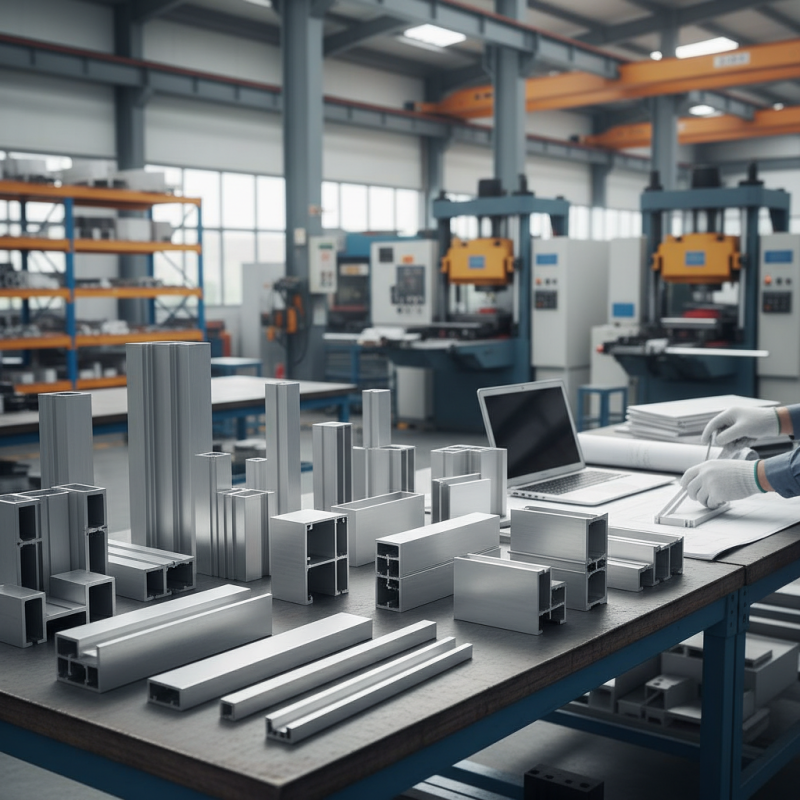
Understanding Industrial Aluminium Extrusion Profiles
Industrial aluminium extrusion profiles play a crucial role in diverse sectors, from construction to automotive. These profiles are engineered to provide strength and adaptability. Reports indicate a significant increase in demand for custom aluminium extrusions, projected to grow at a CAGR of 5% from 2023 to 2028.
Different profiles are suited for specific applications. For example, the T-slot profile is popular in framing systems. Meanwhile, the structural hollow section is widely used for supports in buildings. However, choosing the right profile can be challenging. Factors such as load-bearing capacity, thermal efficiency, and aesthetic appeal must be evaluated. Many companies struggle with optimizing their design choices.
Understanding the nuances of aluminium profiles is essential. The fine balance between strength and weight can impact performance. In a recent survey, 55% of manufacturers reported difficulties in sourcing the right extrusion for their needs. Thus, continuous learning and adaptability remain crucial in this evolving market.
Aluminium Extrusion Profiles Usage by Industry
Key Factors Influencing Profile Selection
Selecting the right aluminium extrusion profile is crucial for industrial applications. Many factors influence this choice. First, consider the intended use. Profiles vary greatly depending on their specific applications, whether for structural support, heat exchange, or aesthetic purposes. A report by the Aluminum Association notes that the aerospace sector alone consumes over 20% of the world's aluminium extrusions, emphasizing the need for precision.
Material strength and weight play crucial roles in profile selection. Lighter profiles often lead to reduced shipping costs and easier installation. However, they must also meet specific mechanical requirements to ensure safety and performance. A study indicated that up to 75% of manufacturers reported failures due to inadequate strength ratings. This highlights the importance of balancing weight and performance.
Tips: Test your prototypes early. It can save time and money. Evaluate the environmental conditions, like exposure to corrosion or extreme temperatures. This can impact the profile's longevity. Always consult industry standards during your selection process. Remember, profile design is not just about form but also about function. Small variations can make a significant difference in long-term performance.
What is the Best Industrial Aluminium Extrusion Profile for You? - Key Factors Influencing Profile Selection
| Profile Type | Application | Load Capacity (kg) | Weight (kg/m) | Surface Finish |
| Standard Rectangular | Frames and Structures | 1000 | 1.5 | Anodized |
| T-Slot Profile | Modular Structures | 800 | 2.0 | Powder Coated |
| Round Tube | Piping and Tubing | 600 | 1.2 | Mill Finish |
| L-Shape Angle | Supports and Brackets | 900 | 1.8 | Powder Coated |
| Custom Profile | Specialized Applications | Varies | Varies | Anodized/Custom Finish |
Common Applications of Aluminium Extrusion Profiles
Aluminium extrusion profiles are versatile and widely used in various industries. These profiles serve multiple applications in construction, automotive, and aerospace sectors. An analytical report from The Freedonia Group highlights that the demand for aluminium extrusions in the U.S. is projected to grow by 4.4% annually through 2025. This growth showcases the material's efficacy and adaptability.
In construction, aluminium profiles are common in window frames, curtain walls, and roofing systems. They are lightweight yet strong, making them ideal for structural applications. In automotive manufacturing, they contribute to lighter vehicles, improving fuel efficiency. A study by MarketsandMarkets indicates that aluminium's use in vehicle production is believed to increase significantly, driven by stringent environmental regulations.
However, not all profiles are created equal. Some extrusions may not withstand harsh weather or heavy loads. Selecting the right profile involves assessing specific project needs and potential challenges. Professionals often recommend evaluating design requirements and mechanical properties before making a decision. The complexity of choosing the right extrusion can sometimes lead to overestimating its capabilities, resulting in unnecessary costs.
Comparing Standard vs. Custom Aluminium Extrusions
When choosing between standard and custom aluminum extrusions, understanding your specific needs is crucial. Standard profiles are widely available and can significantly reduce lead times. According to industry data, about 70% of aluminum extrusion projects use standard profiles due to lower costs and quicker availability. However, these come with limitations. Standard designs may not fit unique requirements, leading to potential inefficiencies in functionality.
Custom extrusions allow for tailored solutions. About 30% of companies opt for custom profiles to meet specific application requirements. While they carry a higher upfront cost and longer lead times, custom extrusions can enhance performance significantly. They offer flexibility in design, enabling engineers to integrate features suited for their projects. However, this route involves a detailed design process and additional supplier collaboration, which can introduce challenges and delays.
While choosing between standard and custom options, weigh efficiency against specialty needs. Data suggests that a poorly fitting standard profile can lead to over 15% waste in materials and longer assembly times. Custom solutions, though potentially more costly, can minimize waste and optimize performance. Careful consideration can lead to a more effective use of resources, aligning with both budget and performance needs.
Benefits of Choosing the Right Aluminium Extrusion Profile
Selecting the right aluminium extrusion profile can significantly impact your project’s success. An appropriate profile not only matches your design needs but also increases the efficiency of production. When you choose wisely, it can lead to significant cost savings and enhanced performance.
Different applications call for different profiles. For example, some require high strength, while others may prioritize lightweight properties. A knowledgeable expert can guide you through the available options. However, the process can be overwhelming. Consider factors like weight, finish, and durability. Each decision shapes the end result.
Mistakes often arise from overlooking specific project requirements. It's common to select a profile based on appearance alone. This might lead to structural weaknesses or increased manufacturing time. Reflection on these choices is vital. Engaging with experienced professionals ensures that you choose a profile that meets your requirements. Choosing the right aluminium extrusion profile will yield benefits that extend well beyond the immediate project.





