


7 Best Hydrophobic Vents for Global Buyers

Choosing a Hydrophobic Vent is a practical engineering decision, not just a catalog comparison. In a battery enclosure, sensor housing, or outdoor control box, one blocked vent can trap condensation behind a clear cover. One poor fit can leave water at the gasket.

Buyers should compare water-entry pressure, airflow, pore structure, chemical compatibility, and mounting method. ASTM F316 describes bubble-point and mean-flow pore testing for membrane filters, offering a useful reference for evaluating pore characteristics. IEC 60529 defines enclosure ingress-protection classifications; it does not, by itself, prove that a vent will perform reliably in every assembly. Test the complete enclosure under relevant conditions.

Small details matter. A vent placed beneath a drip edge may face less direct spray, while dust, oils, or uneven compression can still affect performance. Request test methods, sample conditions, and traceable product documentation from suppliers. Then compare products against the same criteria.

The “7 Best Hydrophobic Vents for Global Buyers” should therefore focus on fit, verified performance, and application needs—not broad claims. A higher rating is not automatically a better choice. It depends.

No industry report or source article was provided here, so I have not added market statistics or invented a named expert quotation. Including either without a verifiable source would undermine the reliability this comparison needs.
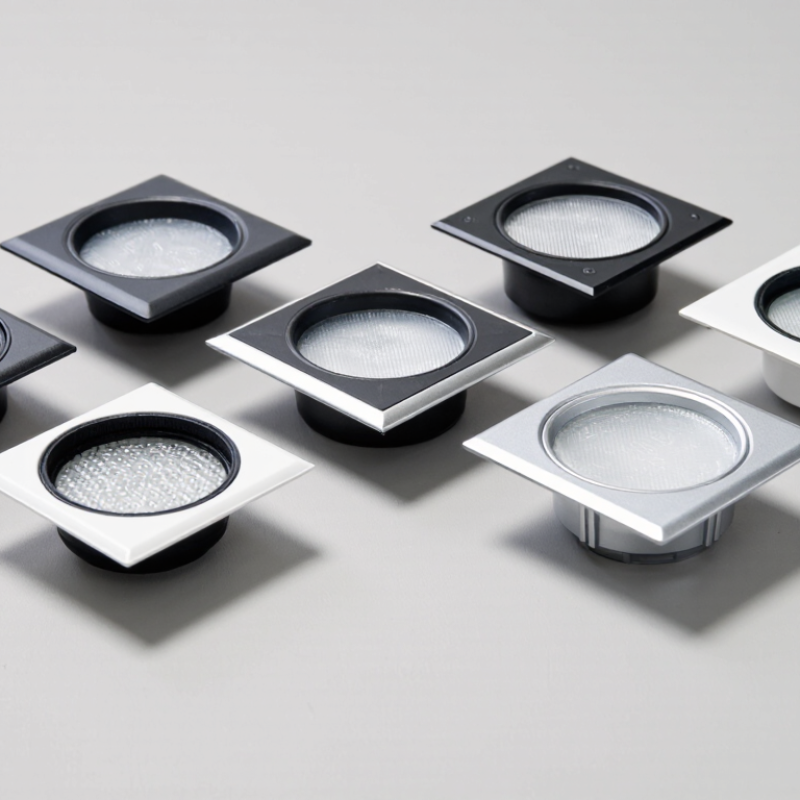
7 Best Hydrophobic Vents for Global Buyers

What Hydrophobic Vents Are and How They Work

Hydrophobic vents are porous components that let air move while resisting liquid water. A typical vent contains a membrane with microscopic pores, often made from expanded PTFE. Air passes through those pores as pressure changes. Water droplets are held back because the membrane surface repels water and the pores are small. The vent does not pump air; it allows pressure to equalize naturally.

This can help protect sealed enclosures from pressure buildup caused by heating, cooling, or changes in altitude. Picture a plastic housing warming in sunlight: trapped air expands, then contracts as the unit cools. A vent can reduce stress on seals and may limit moisture entry. Small, but useful. It is not an unlimited waterproof barrier. High water pressure, damage, or contamination can reduce protection.

For global buyers, compare airflow, water-entry pressure, temperature range, and chemical compatibility with the actual application. Check the test conditions behind each published rating; results can vary with mounting and exposure. Oils, detergents, and surfactants deserve attention because they may affect water repellency. Installation matters too: a blocked vent cannot breathe. One easy detail to overlook is orientation and exposure to direct spray. A carefully selected vent can improve enclosure performance, but it cannot compensate for a poor seal or unsuitable housing design.

7 Best Hydrophobic Vents for Global Buyers - What Hydrophobic Vents Are and How They Work

Hydrophobic vents use water-repellent porous membranes to let air and other gases pass while resisting liquid water. Their airflow and water-entry resistance depend on the membrane grade, vent design, installation, and operating conditions.

Vent Type Common Membrane Typical Applications Typical Benefits Key Selection Considerations
Adhesive-backed vent patch Expanded PTFE (ePTFE) is common Outdoor electronics, sensors, and sealed enclosures Low-profile installation; supports pressure equalization without an open hole Check surface cleanliness, adhesive compatibility, exposed membrane area, and placement.
Threaded vent plug Usually ePTFE; other membrane materials may be available Lighting housings, control cabinets, and outdoor equipment Self-contained fitting that can be installed in a threaded opening Match thread standard, sealing method, installation torque, and exposure conditions.
Snap-in or press-fit vent Often ePTFE Compact molded enclosures and consumer or industrial electronics Quick assembly without a threaded fitting Verify panel thickness, opening dimensions, retention, and sealing requirements.
Molded-in vent Typically a porous membrane integrated with a compatible support structure High-volume automotive, appliance, and electronic enclosures Can reduce separate assembly steps when designed into the housing Assess molding-process compatibility, tooling needs, membrane protection, and production volume.
Ventilated cable gland Often an ePTFE membrane within the gland assembly Electrical junction boxes and enclosures that also need cable entry Combines cable-entry functions with enclosure pressure equalization Check cable diameter, thread fit, enclosure sealing, and the required protection rating.
Container or reservoir vent filter Hydrophobic polypropylene, PTFE, or other application-compatible membranes Vented containers, tanks, and selected fluid-handling systems Allows gas exchange while helping limit liquid passage through the membrane Confirm chemical compatibility, liquid exposure, orientation, flow needs, and replacement requirements.
Acoustic membrane vent Commonly a thin ePTFE membrane Microphones, speakers, and other audio-enabled devices exposed to dust or splashes Can protect an acoustic opening while allowing sound transmission Balance acoustic performance with water resistance; avoid assuming it provides the airflow of a pressure-equalization vent.

Buyer note: “Hydrophobic” describes water-repellent behavior; it does not by itself guarantee immersion protection or a particular enclosure rating. Compare the specific vent’s airflow, water-entry pressure, chemical compatibility, temperature limits, and test conditions before selection.


Key Features That Define Hydrophobic Vent Performance

Hydrophobic vent performance depends on more than a membrane’s water-repellent surface. Its pore structure must allow air to move while resisting liquid water under a stated pressure. Compare airflow and water-entry ratings under similar test conditions; figures measured differently can mislead. Small details matter.

The housing and seal are just as important. A tiny gap around a vent can let water bypass the membrane, especially after vibration or repeated temperature changes. Check mounting dimensions, gasket materials, and installation instructions against the enclosure design. Not every setup fits. Dust, oils, cleaning fluids, and prolonged moisture exposure may also affect performance, so confirm material compatibility rather than assuming all liquids behave like water.

For buyers serving varied climates, consider operating temperature, humidity, pressure changes, and expected airflow needs. A vent that works well in a dry indoor cabinet may not perform the same way in a humid outdoor unit. Ask for test methods and product data, then validate the vent in the intended assembly when failure would be costly. Ratings are useful, but real conditions can be messier. Inspect seals and airflow during routine maintenance; even a sound membrane cannot compensate for poor installation.

How to Evaluate Vents for Different Applications

7 Best Hydrophobic Vents for Global Buyers

How to Evaluate Vents for Different Applications

A suitable hydrophobic vent balances airflow with resistance to water, dust, and pressure changes. Start with the enclosure’s real operating conditions: expected airflow, temperature range, exposure time, and likely contaminants. A vent for a handheld outdoor device may need a different membrane area than one for a large control cabinet. Check the stated water-entry pressure and airflow at a defined pressure difference, not just pore size. Test the assembled enclosure, too. A good membrane cannot compensate for a poor seal.

Use application-specific evidence. IEC 60529 defines the IPX7 immersion test as up to 1 metre of water for 30 minutes. That rating applies to the tested enclosure configuration; it does not, by itself, prove a vent’s airflow or chemical resistance. For outdoor equipment, review UV and temperature-aging results. For chemical exposure, ask for compatibility data using the actual fluid and contact conditions. Small details matter. Be cautious: laboratory results may not match years of field use.

Tips: Ask suppliers for test methods, sample conditions, and airflow curves. Compare data at the same pressure difference. If the vent will face spray, dust, or repeated cleaning, test a complete enclosure under those conditions before final selection.

Seven Hydrophobic Vent Types for Global Buyers

Seven hydrophobic vent types serve different pressure, moisture, and installation needs. EPTFE membrane discs suit compact housings exposed to splashes. Hydrophobic PVDF membranes can work where chemical compatibility matters. Polypropylene vent media offer a practical option for cost-sensitive assemblies. Hydrophobically treated PES is another choice, but confirm that treatment and performance match the application. Small details matter.

Adhesive vent patches fit flat panels, while threaded vent plugs install directly into prepared openings. Inline hydrophobic filters suit tubing and equipment that need a defined air path. The FDA’s 2004 aseptic-processing guidance describes sterilizing-grade liquid filters as nominally 0.2 microns or smaller; this is a filtration benchmark, not a vent rating. Buyers should compare water-entry pressure, airflow, temperature limits, and test conditions instead. ASTM F316 provides a bubble-point method for characterizing porous filter media. Fit matters. I would not select by pore size alone: a vent can pass a lab test yet fail after assembly, handling, or repeated wetting. Request application-specific test data.

How to Choose a Vent for Your Market and Operating Conditions

A hydrophobic vent must balance airflow, liquid-water resistance, and protection from dust or salt. Start with the enclosure’s real job: a battery case may need pressure equalization, while an outdoor sensor also faces wind-driven rain and temperature swings. The IEA’s Global EV Outlook 2024 reports nearly 14 million electric cars sold in 2023, about 18% of global car sales. That growth makes enclosure reliability increasingly important, but it does not make one vent suitable for every market.

Check airflow at the expected pressure difference, water-entry pressure, operating temperature, and chemical exposure. Then consider installation: a vent placed low on a housing may collect splash or debris. The WMO’s State of the Global Climate 2023 estimated global temperatures at 1.45 ± 0.12°C above the 1850–1900 average. This is not a vent-sizing specification; it is a reminder to verify temperature extremes against local operating conditions. I would not choose from a catalog table alone. Test the assembled enclosure when possible.

Tips: Compare test methods, not just headline ratings. Ask for airflow and water-entry data at relevant conditions, and confirm compatibility with oils, cleaning agents, and salt exposure. For humid regions, include condensation cycles in validation. Small detail, big impact. One assumption may still need review: field installation often differs from the test setup.

7 Best Hydrophobic Vents for Global Buyers — How to Choose a Vent for Your Market and Operating Conditions

Theoretical water-entry pressure at different hydrophobic membrane pore diameters

Values are calculated using the Young–Laplace equation for water at approximately 20°C (surface tension 72.8 mN/m) and an assumed water contact angle of 110°. This idealized comparison illustrates the pore-size trade-off: smaller pores have higher theoretical water-entry pressure, but actual vent performance depends on membrane structure, construction, and test conditions. Check certified product data for your application.

Powder Coat Booths

For those larger-sized parts, or smaller quantity runs, we have 2 independent powder coat booths and ovens. The quality, durability and affordability of today’s powder coating finishes make this the process of choice for world-class companies.

Powder coating advantages over other forms of coating are many. Materials used in the Powder coating process can be metals and non-metals that come in a multitude of thicknesses, textures, colors, etc. Another of Powder coating’s biggest advantages over conventional coatings is its ability to create finishes in many different textures. Powder Coating Booths allow us the ability to apply these advantages to large products.

Wet Paint Line

Tri-State Fabricators runs a full-service conveyor line for painting. Wet painting can provide protection or decoration to many different part styles. From start to finish, every project is easier to undergo random and point-based inspection by our skilled painting team.

Advantages to our Wet Paint Line are these lines start with product prep and ends with a thorough inspection of a high quality finished product. Our ability to complete large and small projects with a superior finish and doing so in a timely and economical fashion. This passes along the savings in production to our customers. When powder coating ins not an option, our Wet Paint Line gets the job done right the first time.

Wet Paint Booths

When the parts get big and heavy we roll-out our custom paint racks and oversize booth. By utilizing our partnerships with all the major paint brands, we can match virtually any color with wet paint.

The advantages of having access to a Wet Paint Booth are many. Large projects of many different shapes can be loaded into the booth. The Wet Paint Booth offers an environment that is much more controlled than a typical parts painting operation.

Not only are they used because of their controlled environment, but they’re are also advantageous when it comes to applying paint to parts that are needed in industries that require specialty coatings such as medical, aerospace, etc.

Military CARC

Our military forces have some very high standards when it comes to the finish of their vehicles and equipment. From the first pre-treatment step to final coat, it takes a great deal of knowledge and experience to protect the men and women of our armed forces. They deserve only the best, and Tri-State Fabricators provides it.

All of our processes are closely monitored by our staff and management teams. Both of which are highly trained in the processes of metal fabrication and finishing. Tri-State Fabricators’ goal is to always fully satisfy each and every customer, including the military. We will always put a 110% into what we do.

Glass-Bead Blasting

Abrasive media blasting is an excellent way to remove old paint, rust, and increase the paint/powder adhesion. Glass beads produce a much smoother and brighter finish than angular abrasives; leaving the part clean yet without any dimensional change. Chemically inert and environmentally friendly, we can recycle our beads approximately 30 times; making them a more preferred method of metal cleaning or surface finishing.

Advantages to Glass Bead Blasting are many. Glass bead blast media is used when a project is needing rough surfaces need to become smooth for applications of coatings such as paint. It is typically used to clean paint and rust from a product surface without deforming the surface it is being used on. Overall, compared to many other blasting media, Glass Bead Blasting is a very economical choice and those savings are always passed on to our customers.

Part Washing

Tri-State Fabricators utilize a zinc phosphate wash to clean and etch the material to ensure the best paint adhesion possible. The unique design of our 3-stage wash system does the work like a 5-stage. From Cleaning and rinsing to conversion coating and post-treatment, Our Part Washing process is a complete service and works throughout the fabrication service and the finishing service.

Along with the previously mentioned benefits, Curing is a vital chemical reaction that leaves the product finish hard and relatively safe from mild abrasion and aggressive corrosion. This process can be done in more than one way; ambient air-dry or in curing ovens at temps that exceed 240°.

Burn-Off Oven

From fixing paint mistakes (someone else’s of course) to simply cleaning our paint line hooks, our burn-off oven is put to good use. After a quick burn-off, a little clean up, and a fresh coat of paint, your parts will look better than new.

Why does our Burn-Off Oven work so well? Because super heating the air around parts turns the materials into ashes. From paint and powder coatings to rubber and machining oils, high temps do the job without degrading the integrity of the part.

Masking

Masking is a vital part of producing high quality products. We have die-cut masking patterns to protect machined surfaces as well as a wide range of plugs and caps to protect threaded holes and bolts. We provide permanent and temporary masking.

Masking allows the selected sections of a product to be protected from a fabrication or finishing service. This can be with both chemicals when etching and tapes, paints when only finishing just a section of the product. Masking is great in aiding the customization process of a project.

Screen Printing

Screen printing is a photographic process that transfers artwork onto a porous nylon screen which allows colored ink to flow through the screen and be deposited on an aluminum or plastic component. We can generally have just about any design created onto a screen for your parts.

Some of the advantages of Screen Printing are, brand recognition for your business displaying on your products, assembly instructions, product warnings/hazards, etc. Tri-State Fabricators produces Screen Printing of the highest quality so you know it’s durable.

Metal Finishing

Metal Finishing is the art of treating the exterior portion of product, often metal but can also be made of other materials, so that the surface is clean and free of any debris. Then the process of applying coats or either paint of powder coat takes place. This coating process improves the quality of the product in both appearance and resistance to wear and corrosion.

Tri-State Fabricators, Inc., understands that a project typically isn’t complete until a high-quality finish has been added to your product. This is why our painting and powder coating teams continuously inspect the products throughout the Metal Finishing process.
