


2026 Best Hydro Turbine Controller for Sale?

Choosing a Hydro Turbine Controller for sale in 2026 is not just a matter of comparing prices or display screens. Hydropower remains a major source of dependable electricity: the International Energy Agency’s Hydropower Special Market Report (2021) reports that it generated 4,418 terawatt-hours in 2020, around 16% of global electricity. That scale makes reliable turbine control a practical operating concern, not a minor specification.

The right controller must match the turbine, generator, site conditions, and operating duties. Compare governing accuracy, response during load changes, sensor compatibility, alarm records, and the availability of local commissioning support. IEC 61362 provides guidance for specifying hydraulic turbine governing systems; it is a useful reference, but it does not replace a site-specific engineering review. A compact unit may suit a small plant, while an older installation may need careful checks against existing actuators and wiring.

Look beyond the brochure. Ask for documented test results, operating references, warranty terms, and a clear list of included components. Confirm how the supplier handles tuning, training, and spare parts. No controller is magic. Even a capable system can disappoint if commissioning is rushed or measurements are unreliable. This guide examines the features, questions, and trade-offs that matter when evaluating 2026 options. Some comparisons will depend on site data; without those details, any “best” choice should be treated cautiously.
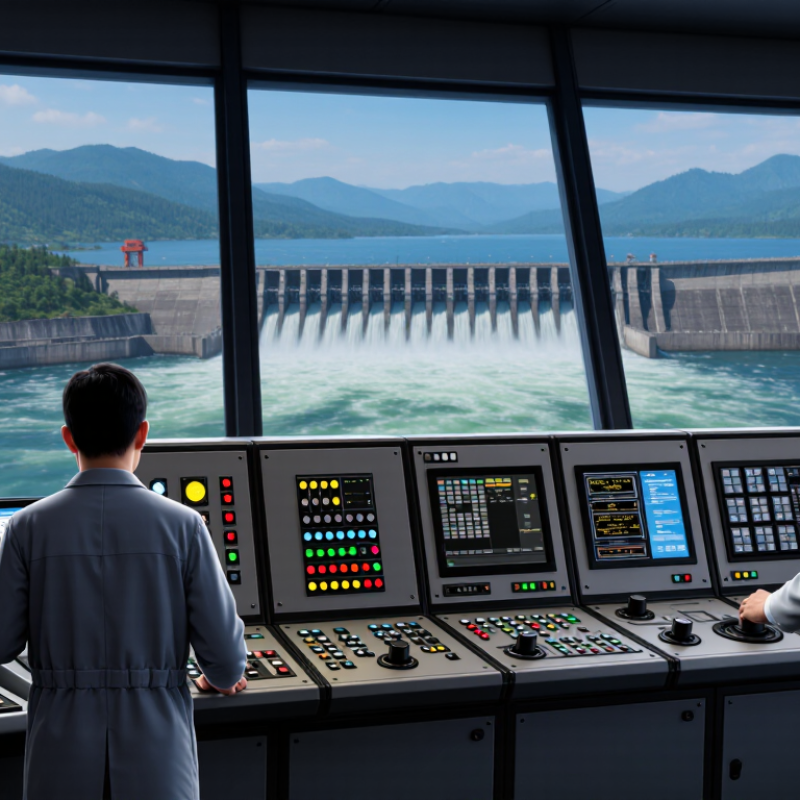
2026 Best Hydro Turbine Controller for Sale?

What a Hydro Turbine Controller Does

A hydro turbine controller helps keep a hydro system’s electrical output stable as water flow or electrical demand changes. It reads signals such as generator speed, frequency, and sometimes voltage, then adjusts connected equipment according to its design. In a small off-grid system, an electronic load controller may divert unused power to a dump load. That load is often a resistor bank, which can become warm during operation. This helps keep generator loading more consistent when household demand suddenly drops. Not every unit does this.

Larger turbines may use a governor to adjust water flow through guide vanes or wicket gates. Voltage regulation may be handled by a separate automatic voltage regulator, so the equipment’s actual scope matters. That detail gets overlooked. During commissioning, a qualified technician can test how the system responds when loads switch on or off, and check alarms and sensor readings. I’d be cautious about choosing a controller from rated power alone. Turbine type, generator characteristics, operating conditions, and expected load changes all affect compatibility. A controller cannot compensate for poor system sizing. Its settings and protective functions need careful verification.


How Hydro Turbine Controllers Regulate Power

A hydro turbine controller keeps power steady by matching water flow to changing electrical demand. Its governor reads shaft speed and generator frequency, then moves wicket gates or nozzle deflectors. If a load suddenly drops, the gates close; if demand rises, they open. The response must be controlled, because abrupt water-flow changes can create pressure surges in the penstock. Small changes matter. In practice, operators tune response rates to the turbine, waterway, and grid conditions, not just the controller’s specifications.

The International Energy Agency’s Hydropower Special Market Report (2021) describes hydropower as a flexible source that can support electricity-system balancing. The IEA reported global hydropower generation of about 4,300 TWh in 2022, the largest output among renewable sources. That scale makes accurate regulation consequential. A controller may also coordinate excitation equipment: the governor manages active power and speed, while excitation helps regulate voltage and reactive power. These functions are related, but they are not interchangeable. Commissioning tests should check response under real operating conditions, including low reservoir levels and sudden load changes. No setting is universal. Even a well-designed system can expose tuning weaknesses that were missed during initial setup.

Types of Controllers Available for Hydro Systems

2026 Best Hydro Turbine Controller for Sale?

Types of Controllers Available for Hydro Systems

Hydro systems use different controllers to keep electrical output stable. An electronic load controller is common in small, isolated systems. It sends surplus power to a ballast load, such as a heater, helping maintain frequency when household demand changes. A water-flow governor takes another route. It adjusts gates or valves to match turbine output with changing demand. This can suit systems where water control is practical and responsive.

Larger or more complex installations may use programmable logic controllers with sensors, alarms, and protection functions. Grid-connected systems often need controls designed for synchronization and safe disconnection, not just basic load balancing. These categories can overlap, and product descriptions do not always make that clear. The right choice depends on the generator, turbine, site conditions, and load profile.

Tips: Check the controller’s rated voltage, current, and frequency against your generator. Ask how it responds to sudden load changes, and confirm which sensors and protection devices are included. A controller that looks suitable on paper may still need careful commissioning. That detail is easy to underestimate.

Key Factors for Choosing a Controller in 2026

A hydro turbine controller should match the site, not just the turbine’s rated output. Start with the generator type, expected voltage, frequency, and operating range. A stream can change quickly after rain, so ask how the controller handles sudden flow and load changes. Stable operation matters. Review the control method and response settings with the turbine supplier or a qualified installer.

Protection features deserve close attention. Check for overvoltage, overcurrent, overheating, and loss-of-load protection, then confirm how faults are displayed. A clear alarm on a screen is more useful than a code nobody can interpret beside a noisy powerhouse. Ask whether the unit records operating data, such as voltage, frequency, and temperature. Those records can help diagnose recurring problems, though they do not replace regular inspection.

The installation environment is easy to underestimate. Measure the panel location, check humidity and dust exposure, and confirm that cable connections suit the site. Ask about spare parts, technical support, and commissioning procedures before comparing prices. A low-cost controller may fit the specifications yet prove difficult to service locally. That is not always obvious. No checklist can predict every site condition, so leave room to review the design after measurements and commissioning.

How to Compare Products, Prices, and Suppliers

A hydro turbine controller should match the generator and site, not just a headline power rating. Check generator type, voltage, phase, rated output, and peak output. Confirm that the controller can manage the intended electrical load and any diversion load. Details matter. At a small site, fluctuating water flow can change output, so ask how the controller responds to sudden load changes. A specification sheet may not answer that clearly.

Compare prices using the same equipment list. Ask whether the quote includes sensors, wiring, enclosure, display, diversion-load components, and commissioning support. Check the enclosure rating and operating temperature range against the actual installation location. A low price can look attractive when key parts are missing. Request a written breakdown, plus the expected lead time and shipping cost. I would be cautious about comparing quotes until their scope matches; this step is easy to rush.

Supplier support deserves equal attention. Request a datasheet, wiring diagram, and practical guidance for setup and fault checks. Ask about warranty coverage, spare-part availability, and typical response times. If possible, request a reference from a similar turbine installation. A polished brochure is not proof. One detail can remain uncertain, so ask suppliers to explain any unclear ratings in writing before ordering.

2026 Best Hydro Turbine Controller for Sale? - How to Compare Products, Prices, and Suppliers

Controller type How it regulates Typical application Key items to compare Price information Supplier to consider Questions to ask before ordering
Electronic load controller (ELC) Maintains generator load by directing excess power to a ballast or dump load as consumer demand changes. Standalone micro- and mini-hydro systems with a suitable generator and an available dump load. Rated voltage and current; single- or three-phase compatibility; frequency; control response; protection functions; dump-load requirements. Request a project-specific quotation. Total cost can include the controller, dump load, sensing equipment, enclosure, and commissioning. Micro-hydro control-system integrator or manufacturer with experience in the generator type. What generator and load range is supported? Is the dump load included? What happens if the dump load or sensing circuit fails?
Electronic governor or actuator-based controller Adjusts turbine flow, typically through a nozzle, spear, or guide-vane actuator, to regulate speed or output. Systems where turbine flow control is required, including installations with changing operating conditions or a coordinated plant-control system. Turbine and actuator compatibility; control mode; actuator travel and force; response; feedback sensors; manual override; fail-safe behavior. Price depends on the actuator, hydraulic or electrical equipment, sensors, and integration scope; obtain an itemized quotation. Turbine supplier, governor specialist, or hydro-system integrator able to verify mechanical compatibility. Does the package include the actuator and feedback sensors? How is the turbine protected during loss of power or a control fault?
PLC-based plant controller Uses programmable logic and measured signals to coordinate turbine, generator, protection, and auxiliary equipment. Installations requiring custom operating sequences, multiple control devices, alarms, or integration with plant monitoring. I/O count; control-panel design; software scope; communication interfaces; environmental rating; documentation; spare-part availability. Usually quoted as an engineered package. Request separate costs for hardware, programming, testing, installation, and support. Industrial automation integrator with documented hydroelectric project experience. Are source code, wiring diagrams, and operating documentation included? Who can make changes and provide support after commissioning?
Grid-connected turbine control and protection package Coordinates turbine control with generator protection and grid-interface equipment; functions depend on the plant design and local interconnection requirements. Hydro installations intended to operate in parallel with an electric utility grid. Generator type; protection and metering scope; required grid settings; communications; utility approval requirements; testing and commissioning. Quote based on the complete electrical and control scope. Do not compare controller-only prices with full protection-package prices. Hydropower electrical engineering contractor or system integrator familiar with the local utility’s interconnection process. Which grid requirements are included in the proposal? Who is responsible for relay settings, utility review, and acceptance testing?
Remote monitoring add-on Collects operating data and alarms for local display or remote access; monitoring alone does not replace required turbine or electrical protection. Sites where operators need status, event records, or remote troubleshooting. Signals monitored; communications availability; data storage; user access; alarm delivery; cybersecurity; recurring service fees. Confirm whether the price covers sensors, gateway, installation, software access, and any recurring connectivity or subscription charges. Controls integrator or monitoring provider able to support the site’s network and data requirements. Can the system operate locally if communications are lost? Who owns the operating data, and what security updates are provided?

Comparison note: Hydro controller pricing is highly dependent on generator rating, turbine type, control method, protection scope, enclosure, installation, and local requirements. Ask suppliers for quotations based on the same technical specification, with hardware, engineering, delivery, commissioning, warranty, and ongoing support listed separately.

Powder Coat Booths

For those larger-sized parts, or smaller quantity runs, we have 2 independent powder coat booths and ovens. The quality, durability and affordability of today’s powder coating finishes make this the process of choice for world-class companies.

Powder coating advantages over other forms of coating are many. Materials used in the Powder coating process can be metals and non-metals that come in a multitude of thicknesses, textures, colors, etc. Another of Powder coating’s biggest advantages over conventional coatings is its ability to create finishes in many different textures. Powder Coating Booths allow us the ability to apply these advantages to large products.

Wet Paint Line

Tri-State Fabricators runs a full-service conveyor line for painting. Wet painting can provide protection or decoration to many different part styles. From start to finish, every project is easier to undergo random and point-based inspection by our skilled painting team.

Advantages to our Wet Paint Line are these lines start with product prep and ends with a thorough inspection of a high quality finished product. Our ability to complete large and small projects with a superior finish and doing so in a timely and economical fashion. This passes along the savings in production to our customers. When powder coating ins not an option, our Wet Paint Line gets the job done right the first time.

Wet Paint Booths

When the parts get big and heavy we roll-out our custom paint racks and oversize booth. By utilizing our partnerships with all the major paint brands, we can match virtually any color with wet paint.

The advantages of having access to a Wet Paint Booth are many. Large projects of many different shapes can be loaded into the booth. The Wet Paint Booth offers an environment that is much more controlled than a typical parts painting operation.

Not only are they used because of their controlled environment, but they’re are also advantageous when it comes to applying paint to parts that are needed in industries that require specialty coatings such as medical, aerospace, etc.

Military CARC

Our military forces have some very high standards when it comes to the finish of their vehicles and equipment. From the first pre-treatment step to final coat, it takes a great deal of knowledge and experience to protect the men and women of our armed forces. They deserve only the best, and Tri-State Fabricators provides it.

All of our processes are closely monitored by our staff and management teams. Both of which are highly trained in the processes of metal fabrication and finishing. Tri-State Fabricators’ goal is to always fully satisfy each and every customer, including the military. We will always put a 110% into what we do.

Glass-Bead Blasting

Abrasive media blasting is an excellent way to remove old paint, rust, and increase the paint/powder adhesion. Glass beads produce a much smoother and brighter finish than angular abrasives; leaving the part clean yet without any dimensional change. Chemically inert and environmentally friendly, we can recycle our beads approximately 30 times; making them a more preferred method of metal cleaning or surface finishing.

Advantages to Glass Bead Blasting are many. Glass bead blast media is used when a project is needing rough surfaces need to become smooth for applications of coatings such as paint. It is typically used to clean paint and rust from a product surface without deforming the surface it is being used on. Overall, compared to many other blasting media, Glass Bead Blasting is a very economical choice and those savings are always passed on to our customers.

Part Washing

Tri-State Fabricators utilize a zinc phosphate wash to clean and etch the material to ensure the best paint adhesion possible. The unique design of our 3-stage wash system does the work like a 5-stage. From Cleaning and rinsing to conversion coating and post-treatment, Our Part Washing process is a complete service and works throughout the fabrication service and the finishing service.

Along with the previously mentioned benefits, Curing is a vital chemical reaction that leaves the product finish hard and relatively safe from mild abrasion and aggressive corrosion. This process can be done in more than one way; ambient air-dry or in curing ovens at temps that exceed 240°.

Burn-Off Oven

From fixing paint mistakes (someone else’s of course) to simply cleaning our paint line hooks, our burn-off oven is put to good use. After a quick burn-off, a little clean up, and a fresh coat of paint, your parts will look better than new.

Why does our Burn-Off Oven work so well? Because super heating the air around parts turns the materials into ashes. From paint and powder coatings to rubber and machining oils, high temps do the job without degrading the integrity of the part.

Masking

Masking is a vital part of producing high quality products. We have die-cut masking patterns to protect machined surfaces as well as a wide range of plugs and caps to protect threaded holes and bolts. We provide permanent and temporary masking.

Masking allows the selected sections of a product to be protected from a fabrication or finishing service. This can be with both chemicals when etching and tapes, paints when only finishing just a section of the product. Masking is great in aiding the customization process of a project.

Screen Printing

Screen printing is a photographic process that transfers artwork onto a porous nylon screen which allows colored ink to flow through the screen and be deposited on an aluminum or plastic component. We can generally have just about any design created onto a screen for your parts.

Some of the advantages of Screen Printing are, brand recognition for your business displaying on your products, assembly instructions, product warnings/hazards, etc. Tri-State Fabricators produces Screen Printing of the highest quality so you know it’s durable.

Metal Finishing

Metal Finishing is the art of treating the exterior portion of product, often metal but can also be made of other materials, so that the surface is clean and free of any debris. Then the process of applying coats or either paint of powder coat takes place. This coating process improves the quality of the product in both appearance and resistance to wear and corrosion.

Tri-State Fabricators, Inc., understands that a project typically isn’t complete until a high-quality finish has been added to your product. This is why our painting and powder coating teams continuously inspect the products throughout the Metal Finishing process.
