Best Hydraulic Adapter Options for Industrial Applications?
In the realm of industrial applications, the choice of a Hydraulic Adapter can significantly impact efficiency and safety. Hydraulic adapters serve as crucial components in fluid power systems. They connect hoses, tubes, and pipes, ensuring a reliable flow of hydraulic fluids. Selecting the right hydraulic adapter requires expertise and careful consideration of various factors.
The market is filled with options, but not all adapters are created equal. Different applications demand unique specifications. Compatibility with existing systems, pressure ratings, and material durability are key factors to evaluate. Sourcing from reputable manufacturers ensures quality and reliability in operations.
However, the abundance of choices can lead to confusion. Businesses may overlook critical details, such as the specific needs of their machinery. Not all hydraulic adapters will meet the rigorous standards needed for industrial use. As such, taking the time to assess each option becomes vital. Poor choices can lead to equipment failure or system inefficiencies, making it essential to approach the selection process thoughtfully.
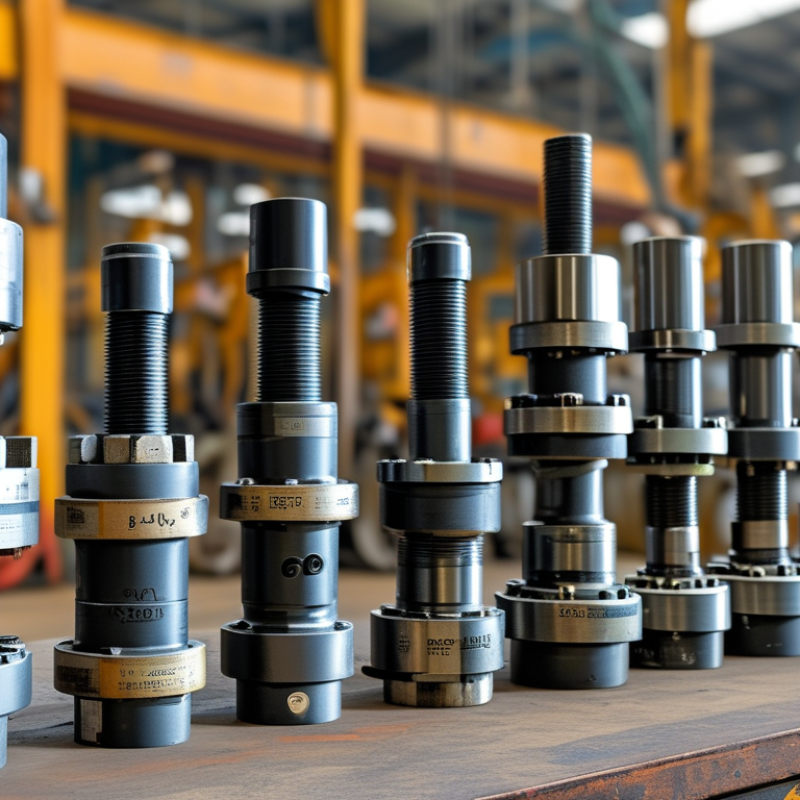
Overview of Hydraulic Adapters in Industrial Applications
Hydraulic adapters play a crucial role in industrial applications. They connect different hydraulic components, ensuring the system operates efficiently. According to recent reports, the global hydraulic equipment market is expected to grow significantly, driven by increased automation and demand for hydraulic systems. In this evolving landscape, choosing the right hydraulic adapter is essential for maintaining system integrity.
One important factor to consider is compatibility. Different hydraulic components have varying specifications. Mishandling these can lead to leaks or system failure. A study indicated that improper connections account for nearly 30% of hydraulic system failures. It's critical to analyze the specifications of the components to select an appropriate adapter.
Tip: Always verify the pressure ratings and dimensions of adaptors. Misalignment can cause severe damage and increased costs. It's also beneficial to consult with professionals who specialize in hydraulic systems for tailored advice.
Another aspect to think about is
material selection. Different applications may require different materials. Steel adapters are strong, but aluminum ones can be lighter and corrosion-resistant. An existing challenge is that not all materials perform equally well under varying temperatures or pressures. Therefore, rigorous testing in real-world conditions is advisable.
Tip: Regular inspections of hydraulic connections can prevent unexpected breakdowns. Even small wear can lead to significant problems if left unchecked. Prioritize routine maintenance to ensure reliable operation.
Types of Hydraulic Adapters and Their Uses
Hydraulic adapters are essential components in industrial applications. They connect hydraulic systems, allowing for fluid transfer and pressure regulation. Various types are available, each suited for specific tasks. Understanding their characteristics helps in choosing the right option.
One common type is the quick-connect adapter. These are easy to use, allowing for rapid transitions between tools and hoses. They are particularly beneficial in environments where time is critical. Another prevalent option is the threaded adapter. This type provides a secure, leak-free connection, making it ideal for high-pressure systems. Often, companies overlook the importance of properly matching thread sizes, leading to potential performance issues.
Flanged adapters are also widely used in large machinery. They provide stability and are easier to install in tight spaces. However, they can be more complex to seal correctly. Not all adapters are interchangeable, and mistaking the type can lead to failure. This highlights the need for attention to detail when working with hydraulic systems. Each application has unique demands, and understanding the nuances of hydraulic adapters is crucial for optimal performance and safety.
Key Factors in Selecting Hydraulic Adapters
Selecting the right hydraulic adapters for industrial applications requires careful consideration of several key factors. Compatibility with existing systems is paramount. Improper sizing or threading can result in leaks and inefficiencies, which may lead to costly downtime. According to industry reports, leaks from incorrect fittings can cause up to 25% energy loss in hydraulic systems.
Material choice is another critical factor. The hydraulic environment often involves extreme pressures and corrosive elements. For instance, steel is a common choice due to its strength, but aluminum can offer lighter alternatives without compromising performance. A study from the Hydraulic Institute indicates that up to 15% of equipment failures are attributed to material inadequacies. Practitioners should evaluate the operating conditions and select adapters that withstand various pressures and temperatures.
Moreover, installation and maintenance ease can affect long-term performance. Poorly designed adapters can complicate routine maintenance tasks. Adopters often overlook this aspect, leading to increased operational costs. Research shows that personalized training on tool selection can improve efficiency by around 20%. A focus on ease of use can enhance overall reliability and workflow within the industrial setting.
Best Hydraulic Adapter Options for Industrial Applications
Top Brands Offering Hydraulic Adapter Solutions
Hydraulic adapters are crucial in various industrial applications. They enable seamless connections between hydraulic systems and components. Understanding the available options can significantly impact productivity and efficiency. Choosing the right adapter often depends on the application requirements.
Several brands excel at offering reliable hydraulic adapter solutions. These brands prioritize quality and innovation. They often provide a wide range of products suitable for different pressures and fluid types. Some may focus on durability, while others emphasize flexibility in application. The diversity among these manufacturers can lead to confusion, especially when decisions need to be made quickly.
While some adapters may seem ideal on paper, real-world performance can differ. Factors such as temperature fluctuations and pressure variances can affect functionality. It’s essential to evaluate the specific needs of your operations. An adapter that works well in one situation may not perform the same way elsewhere. Most importantly, engaging with knowledgeable professionals can lead to better choices. Their insights can help navigate the complexities of hydraulic systems, ensuring reliable and efficient performance.
Maintenance Tips for Hydraulic Adapters in Industrial Settings
Maintenance is crucial for hydraulic adapters in industrial settings. Regular inspections can prevent costly failures. Look for signs of wear or leakage. A small leak can escalate quickly, leading to bigger issues. Check the tightness of connections routinely. Loose connections often lead to hydraulic fluid loss.
Cleaning is another important aspect. Contaminated hydraulic fluids can damage adapters. Use clean rags or brushes for routine cleaning. Avoid using harsh chemicals, as these can cause more harm than good. Additionally, ensure that all seals are in good condition. Worn seals are common failure points and should be replaced promptly.
Training staff on proper use is often overlooked. Educate them on the importance of maintenance. They should know how to identify potential problems early. Instilling a culture of care can extend the life of hydraulic systems. Consistent monitoring and education create a more reliable operation. Neglecting any of these areas can lead to unexpected downtime and increased costs.





