Best Heating Wire For Furnace What to Consider Before Buying?
When selecting the best heating wire for furnace applications, multiple factors must be considered. The heating wire plays a crucial role in the efficiency and safety of your furnace system. According to industry reports, improperly selected heating wires can lead to energy inefficiency and safety hazards. In fact, the U.S. Energy Information Administration states that heating accounts for nearly 30% of energy consumption in residential buildings. Thus, choosing the right wire is not just a matter of preference but of necessity.
The best heating wire for furnace setups should withstand high temperatures and resist wear over time. Different materials, such as nichrome and copper, provide varying levels of conductivity. For example, nichrome wires often excel in high-heat applications but may not be suitable for all furnace types. It's essential to evaluate the specifications carefully. Not every option will meet your needs perfectly. A lack of thorough research can lead to inefficient heating and increased costs.
As you explore options, consider factors such as insulation type, voltage ratings, and applicability to your furnace model. Delving into the technical details may seem daunting, but it's crucial for long-term performance. The ultimate goal is to ensure reliable operation while minimizing risks. There's no one-size-fits-all solution, as each furnace system may require different heating wire specifications for optimal performance.
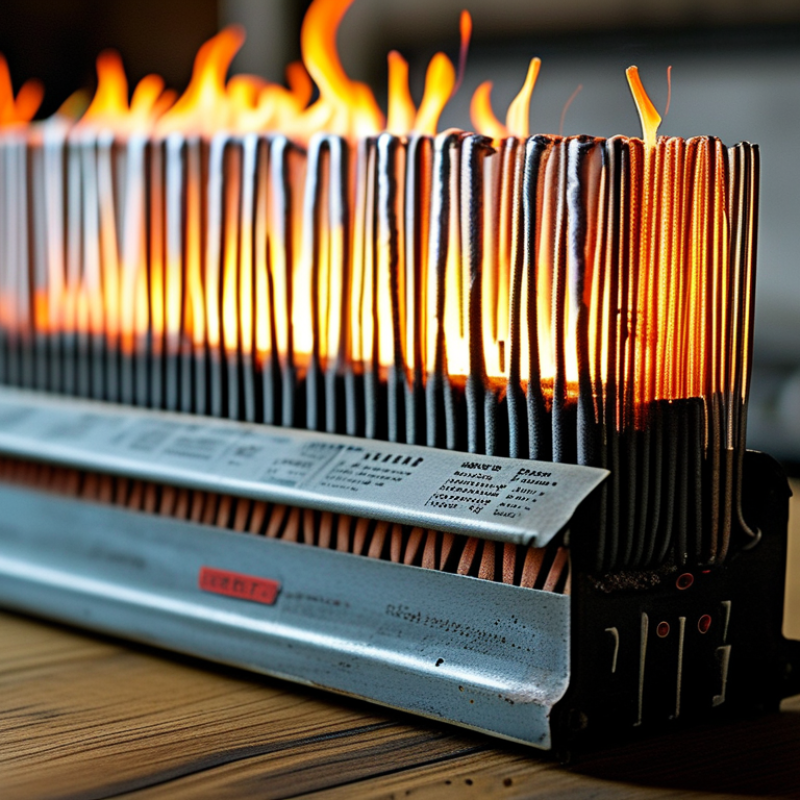
Types of Heating Wire Suitable for Furnaces
When selecting heating wire for furnaces, understanding the types available is crucial. Various heating wires serve specific needs in furnaces. Common types include nickel-chromium (NiCr), copper, and stainless steel heating wires. NiCr wires are known for their high-temperature resilience and are often used in industrial applications. The Global Industry Reports indicate these wires can withstand temperatures exceeding 1000°C, making them suitable for adverse conditions.
Copper wires, on the other hand, are excellent for low-temperature applications. They have high conductivity, offering efficiency in heating systems. However, they may not perform well under extreme temperatures. Stainless steel wires strike a balance between durability and affordability. They resist corrosion and can operate at moderate temperatures effectively.
Tips: Consider the furnace's maximum operating temperature. Ensure the wire's composition aligns with your furnace's specific requirements. Keep in mind that wire gauge affects heating efficiency and power consumption. Always check the specifications and seek professional guidance if unsure. Your choice of heating wire significantly impacts performance. Reflect on the types available and their unique benefits before making a decision.
Factors to Consider Before Choosing Heating Wire
When selecting the best heating wire for a furnace, several factors demand attention. The wire's gauge is crucial. Thicker wires handle higher currents better but may be less flexible. Consider the material as well. Copper offers excellent conductivity but can be more expensive. Aluminum is lighter and cheaper, yet it may not withstand high temperatures effectively.
Another consideration is the wire's insulation. It must be durable and heat-resistant. A wire with insufficient insulation can lead to safety hazards. Look for wires that can endure the furnace’s temperature range. The wire's length also matters. Too short, and you may struggle to install it properly. Too long, and you'll waste material and energy.
Reflect on your intended use. Are you maintaining an existing furnace or installing a new one? The required specifications can vary significantly. Review the environment where the wire will be used. Humidity and exposure to chemicals can affect durability.
Additionally, check local codes and standards. Ensure compliance with safety regulations. This step is essential to avoid future issues. Investing time in these considerations will pay off in reliability and performance.
Material Properties and Their Impact on Heating Efficiency
When selecting heating wire for furnaces, material properties play a crucial role. Different materials have varying thermal conductivities. Metals like copper and aluminum are very effective, while others may be less efficient. Copper, for example, heats up quickly. But it is also prone to oxidation if not properly insulated. Consider the insulation as well. It protects not just from heat loss but also from electrical faults.
The wire's resistance also affects heating efficiency. A lower resistance typically leads to better energy efficiency, as more energy converts to heat. However, low resistance wires are not always ideal. They can lead to overheating if not monitored properly. Test conditions can vary, impacting the overall reliability of the wire.
In practice, users often overlook the impact of wire gauge. A thicker wire can carry more current but may be bulkier and harder to install. Balancing gauge and efficiency is challenging. Reflecting on these factors is essential in choosing the right heating wire. Missteps in material selection can affect both performance and safety.
Best Heating Wire for Furnace: Material Properties and Their Impact on Heating Efficiency
This chart displays the thermal conductivity and electrical resistance of various common heating wire materials used in furnaces, indicating their efficiency and performance.
Safety Standards and Regulations for Heating Wire
When choosing heating wire for your furnace, safety standards play a crucial role. Compliance with local and national regulations is essential. Ignoring these can lead to serious hazards. Proper insulation materials are a must. They should withstand high temperatures without degrading. This ensures not only safety but also longevity.
Moreover, wire gauge matters significantly. Thicker wires can handle higher currents, reducing the risk of overheating. It's also necessary to consider the installation environment. Outdoor setups require more durable insulation against weather elements. Poor choices here can lead to failures and safety violations.
Finally, regular inspections and maintenance are vital. Even the best wire may wear over time. Always check for fraying or damage. Such issues can be overlooked but are crucial. Reflecting on these aspects can ensure a safer heating system.
Installation Tips for Optimal Performance of Heating Wire
When installing heating wire for your furnace, attention to detail is crucial for optimal performance. Start by ensuring the wire’s compatibility with your furnace model. Follow the manufacturer's guidelines closely. Improper installation can lead to inefficiency or even safety hazards.
Proper insulation is essential. It helps maintain temperature and enhances efficiency. Make sure the wires are protected from moisture and physical damage. Double-check connections before powering up the system. An installation mistake can lead to costly repairs or replacement.
Consider the placement of your heating wire. It should be in areas that require consistent warmth. Avoid areas with high traffic, as foot traffic can damage the wire. A thoughtful layout can enhance heat distribution and efficiency. Keep in mind that testing the system after installation is vital. This helps identify any potential issues early on. When done correctly, feedback from the heating wire can reveal necessary adjustments for better performance.





