What is the Best Heat Transfer Fluid System for Your Needs?
Selecting the best Heat Transfer Fluid System is crucial for various industrial applications. According to the U.S. Department of Energy, improper selection can lead to energy inefficiencies. In fact, studies show that up to 30% of energy can be wasted due to inadequate fluid systems. A suitable heat transfer fluid optimizes performance and enhances safety.
Different sectors require distinct heat transfer solutions. For example, food processing relies on non-toxic fluids, while petrochemical industries may use specialized synthetic options. The versatility of Heat Transfer Fluids can improve heat exchange efficiency, yet not all fluids are created equal. Many businesses struggle with choosing the right applications.
Evaluating your specific needs is essential. Factors include temperature range, fluid stability, and environmental impact. Industry reports indicate that a third of companies fail to conduct a comprehensive analysis before selecting their heat transfer fluids. Ignoring these factors can lead to costly downtimes. Making an informed choice ensures reliability and longevity of your Heat Transfer Fluid System.
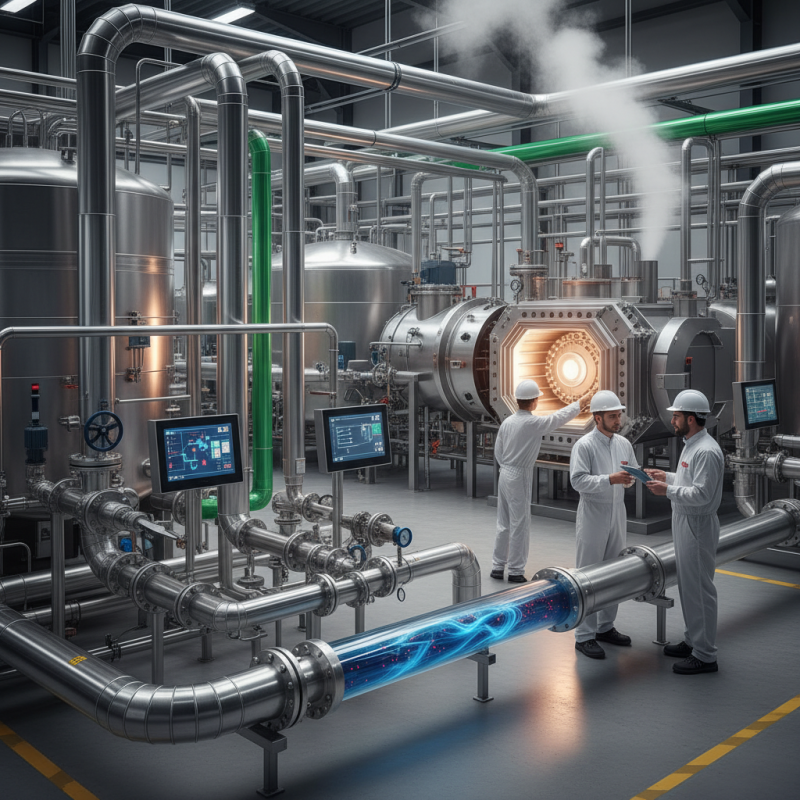
Understanding Heat Transfer Fluids: Types and Properties
Heat transfer fluids play a crucial role in various industrial applications. They facilitate the transfer of heat between surfaces and are essential in systems like HVAC, solar energy, and chemical processing. Understanding the types and properties of these fluids can guide you in selecting the best option for your needs.
There are several types of heat transfer fluids, including water, oils, and specialized synthetic fluids. Water is a widely used medium due to its availability and cost-effectiveness. However, it has a limited temperature range and can freeze. Oils, on the other hand, can handle higher temperatures. Yet, they may degrade and require careful management. Synthetic fluids offer reliability but can come with higher costs and specific handling requirements.
Each fluid type offers distinct characteristics, influencing heat transfer efficiency. For example, thermal conductivity, viscosity, and stability vary significantly. These properties affect how effectively heat is absorbed and released in your system. Choosing the wrong fluid can lead to inefficient operation and even system failure. Some engineers may overlook these factors, leading to costly mistakes. Understanding your application needs is vital for informed decisions.
Factors to Consider When Choosing a Heat Transfer Fluid System
When selecting a heat transfer fluid system, several critical factors come into play. Temperature range is paramount. Fluids must withstand the operating temperatures without degrading. For example, a recent report by the American Society of Mechanical Engineers (ASME) highlights that operating temperatures above 300°C can lead to significant fluid degradation. This risk necessitates careful material selection to ensure system longevity.
Another key consideration is viscosity. A fluid's viscosity affects flow rates and energy efficiency. Industry standards recommend keeping viscosity within a certain range to optimize pump performance. Recent studies indicate that fluids with a viscosity under 20 cSt at operational temperatures enhance system efficiency by up to 15%. However, fluids with low viscosities may compromise thermal stability, compelling a delicate balance that requires further examination.
Corrosion resistance is also essential for longevity. Certain fluids, while excellent at heat transfer, can corrode system components, leading to costly repairs. According to research published in the Journal of Heat Transfer Engineering, over 30% of heat transfer failures are linked to corrosion. Regular fluid analysis and proper maintenance schedules can mitigate this risk but require vigilant monitoring and resources. Finding the right heat transfer fluid system involves weighing these factors, as each has its implications for performance and reliability.
Applications of Heat Transfer Fluids in Various Industries
Heat transfer fluids play a crucial role across various industries. In manufacturing, these fluids help maintain optimal temperatures during processes like casting and forging. The choice of fluid can affect efficiency. For instance, water is often used due to its availability, but it may freeze in colder conditions. Glycol-based fluids resist freezing but can degrade over time.
In the energy sector, heat transfer fluids are integral in solar thermal systems. These systems use fluids to transfer heat from solar collectors to turbines. The effectiveness of the fluid directly impacts energy output. Some systems face challenges with fluid degradation under high temperatures, sparking consideration for new materials. Therefore, ongoing research is essential for optimizing fluid properties for different applications.
Food processing industries also depend on reliable heat transfer fluids. These fluids must meet safety standards while effectively controlling temperatures. Some traditional fluids may not comply with modern health regulations. This necessitates continuous evaluation of fluid compositions to ensure both performance and safety. Adjustments to industry practices can lead to significant improvements over time.
Comparing Fluid System Efficiency and Performance
When choosing a heat transfer fluid system, efficiency and performance are critical factors. Different systems can significantly impact overall operational costs and energy consumption. A well-selected fluid can enhance thermal conductivity, allowing for quicker heat exchange and reduced energy use. It's essential to note that not all fluids are created equal. Some perform better under specific temperature ranges and pressures.
Consider how the design of the system aligns with your application needs. A fluid with high thermal stability may be perfect for applications involving extreme temperatures. Meanwhile, a lower viscosity fluid could be beneficial for systems requiring quick heat transfer during startup phases. Regular assessments and adjustments may be necessary to ensure optimal performance and energy efficiency.
However, understanding fluid behavior can often be complex. Factors like fluid compatibility and environmental impact must also be considered. Mistakes in choice can lead to increased maintenance and downtime. Therefore, careful evaluation and testing are imperative. Investing time in selecting the right heat transfer fluid can pay off significantly through enhanced efficiency and system longevity.
Comparative Analysis of Different Heat Transfer Fluids
Best Practices for Maintaining Heat Transfer Fluid Systems
Maintaining a heat transfer fluid system is crucial for its longevity and efficiency. Regular checks can prevent costly failures. Over time, factors like contamination and thermal degradation can affect performance. It's important to monitor the fluid's temperature and viscosity regularly. This helps ensure the system operates within ideal parameters.
Tips for maintenance include scheduling routine fluid analysis. This allows you to detect signs of contamination early. Consider changing the fluid at recommended intervals, even if it seems fine. Neglecting this can lead to unexpected issues. In addition, keep the system clean. Regularly inspect all components for leaks or wear, as this can lead to fluid loss and safety hazards.
Ensure proper training for staff handling the system. Understanding the properties of the heat transfer fluid can lead to better decision-making. Sometimes, choosing the right fluid based on your application can seem daunting. Reflecting on any past issues with your current setup might provide insights for improvement.





