


2026 Best Fire Assay Labs for Global Buyers

Choosing a fire assay laboratory is more than comparing prices or promised turnaround times. For global buyers, reliable results depend on clear procedures, capable staff, and communication that holds up across distance. A sealed sample bag, a documented chain of custody, and a report that explains units and detection limits can make a real difference. Small details matter.

This guide to 2026’s fire assay labs examines practical factors buyers can verify: published methods, quality-control practices, relevant accreditation, sample requirements, shipping guidance, and reporting standards. It also considers how labs handle duplicates, reference materials, and questions about unexpected results. A polished website is not proof of consistent performance. Ask for current documentation, confirm which method suits your material, and clarify what the quoted service includes before sending samples.

Not every lab fits. Turnaround estimates may change with workload, sample condition, or the analytical package selected. International shipping can add delays, and terminology may differ between providers. Buyers should compare like with like and keep records of quotations, instructions, and final certificates. This overview is a starting point, not a substitute for technical review. Some information may still require direct confirmation with each laboratory. That is worth acknowledging. A careful choice can support better decisions, but no laboratory name alone guarantees a result.
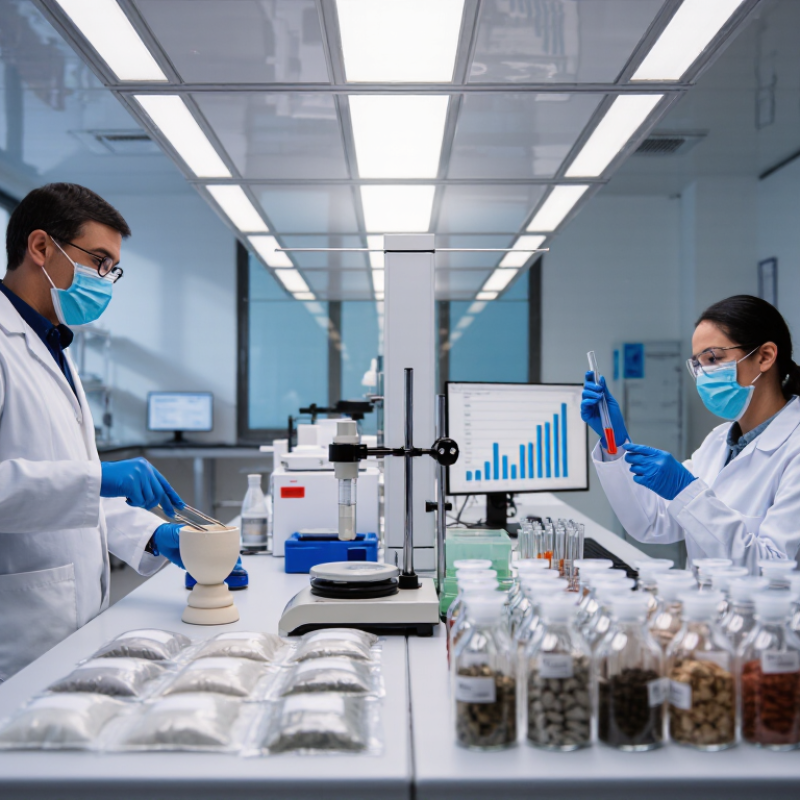
2026 Best Fire Assay Labs for Global Buyers

What Fire Assay Labs Do and Why Global Buyers Use Them

2026 Best Fire Assay Labs for Global Buyers

Fire assay is a laboratory method used to measure precious metals, especially gold and silver, in mineral samples. Technicians crush and pulverize a sample, then mix a measured portion with flux. The mixture is heated in a furnace. Precious metals collect in a small bead, which is weighed or analyzed further. Small details matter.

Global buyers use these results to compare ore quality, check shipment samples, and support commercial decisions. A reliable lab documents sample preparation, uses suitable reference materials, and reports its method and detection limits. Buyers should also ask how the lab handles duplicates, unusual sample types, and possible contamination. A precise result from an unrepresentative sample can still mislead.

Consistency is important. Buyers may request split samples and compare results across laboratories, especially when assay values affect payment or project planning. Turnaround time matters, but not more than traceable handling and clear reporting.

The uncomfortable truth: no test removes every uncertainty. Sample variation, preparation choices, and measurement limits can all affect results. Ask questions. A careful lab should explain both what its report shows and what it cannot establish.


How Fire Assay Testing Works: From Sample Preparation to Results

Fire assay testing turns a carefully prepared mineral sample into a measurable result. The lab dries and crushes the material, then pulverizes it into a fine, uniform powder. A representative portion matters: uneven grains can distort the result before testing begins. The weighed sample is mixed with flux and heated in a furnace. During fusion, precious metals collect in a lead-rich button while much of the rock material separates as slag. Heat control matters.

After cooling, the button is separated and cupelled to remove lead. The remaining precious-metal bead can be weighed or dissolved for instrumental measurement, depending on the requested method and reporting limits. Each step needs documented procedures and suitable quality checks, such as reference materials, blanks, and duplicate samples. Results should be read alongside the method, detection limit, and sample description. Even a well-run test cannot correct a sample that was not representative.

Tips: Ask how the lab prepares and splits samples, and confirm the requested elements and reporting units before submission. Keep sample labels and shipment records consistent. Small details matter. A rushed handoff can create confusion, and laboratories should explain any unexpected result or preparation limitation rather than imply certainty.

Criteria for Evaluating Fire Assay Labs in 2026

For global buyers, a fire assay lab should be judged by documented competence, not a polished website. Check whether its ISO/IEC 17025 accreditation specifically covers the methods and materials you need. Accreditation alone is not enough. Ask for the current scope, recent proficiency-testing results, and quality-control procedures. Details matter.

World Gold Council’s Gold Demand Trends: Full Year 2024 reported total gold demand of 4,974.5 tonnes, including over-the-counter investment. That scale makes dependable sampling and reporting important, but volume does not prove a lab is reliable. Ask how it tracks each sample from receipt through preparation, fusion, cupellation, and final reporting. Request examples of blank, duplicate, and certified reference material results. Ask for typical turnaround times and how delays are communicated.

Compare detection limits, reporting units, and stated measurement uncertainty before comparing prices. A low fee can hide extra charges for preparation, repeats, or urgent work. Not just promises. Review a sample certificate and check whether results are clear enough for your internal review. I would still treat published turnaround figures cautiously: unusual samples can take longer, and even capable labs do not eliminate every source of variation. Ask how the lab explains discrepancies and handles corrective action.

2026 Best Fire Assay Labs for Global Buyers — Criteria for Evaluating Fire Assay Labs in 2026

Use this vendor-neutral scorecard to compare laboratories. The suggested weights are an evaluation framework, not published rankings or measured ratings of individual laboratories.

Evaluation criterion Suggested weight What to evaluate Evidence to request
Accreditation and method scope 20% Confirm that the laboratory’s ISO/IEC 17025 accreditation covers the relevant fire assay method, analyte, and sample matrix. Accreditation applies to a defined scope, so verify the actual scope rather than relying on a general claim. Current accreditation certificate, detailed scope, and the method reference used for the requested analysis.
Method fit and sample mass 15% Check that the proposed charge mass, preparation procedure, and assay finish suit the material and expected concentration. Gold and platinum-group-element programs can require different procedures and finishes. Written method description, minimum sample quantity, preparation steps, and confirmation of analytes and finish methods offered.
Quality control and result reliability 15% Assess how the laboratory monitors analytical performance. Routine controls may include blanks, certified reference materials, duplicates, and documented review of out-of-control results. Sample report showing quality-control results, control acceptance rules, and the laboratory’s process for investigating failures.
Detection limits and reporting range 10% Ensure the stated reporting limits and upper range meet the project’s needs. Limits depend on the method, sample mass, instrument finish, and matrix; compare like-for-like methods and units. Method-specific detection or reporting limits, units, expected precision near the decision threshold, and any over-range procedure.
Sample preparation and custody 10% Review how samples are received, identified, dried, crushed, pulverized, split, and stored. Clear custody and preparation records help reduce mix-ups and support traceability. Sample submission instructions, tracking process, preparation specification, retention policy, and procedures for damaged or discrepant shipments.
Turnaround and capacity 10% Compare quoted turnaround with the project schedule and confirm how it is measured. Workload, sample preparation, repeat assays, and shipping can affect delivery time. Current standard and rush-service estimates, the start point for turnaround, capacity for the expected batch size, and delay notification process.
Reporting and data handling 8% Check that reports clearly identify samples, methods, units, results, and relevant qualifications. Confirm that digital data formats and revision controls work for the buyer’s workflow. Redacted sample report, available file formats, correction and revision policy, and data access or confidentiality terms.
International logistics and compliance 7% For cross-border submissions, verify that the laboratory can explain packaging, shipping documentation, customs responsibilities, and restrictions relevant to the sample type and destination. Written shipping guide, required sample declarations, receiving address and hours, and allocation of customs and freight responsibilities.
Safety and environmental controls 5% Fire assay uses high-temperature processes and may involve hazardous materials. Evaluate documented worker-safety, furnace, ventilation, and waste-management controls appropriate to the laboratory’s operations. Relevant safety and environmental policies, incident-management process, and confirmation of applicable permits or operating controls.
Total suggested weight 100% Score each criterion using the same evidence standard across all laboratories being compared.

Comparing Lab Capabilities, Accreditation, and Global Reach

For global buyers, comparing fire assay laboratories starts with the work they can reliably perform. Ask which metals and sample types their methods cover, and whether preparation is handled on site. A lab’s ability to crush, split, and pulverize samples consistently can matter as much as its assay equipment. Details matter. Confirm expected sample masses, detection limits, and reporting units before shipping.

Accreditation deserves close inspection. Check that the laboratory’s current accreditation scope includes the specific method and material you need; a certificate alone is not enough. Ask how it manages blanks, reference materials, duplicates, and out-of-range results. Request a sample report, including uncertainty information where available. A polished certificate can look reassuring, but it cannot answer every technical question. Some procurement checklists still overlook this.

Global reach involves more than having offices in several regions. Buyers should confirm accepted shipping routes, customs documentation requirements, sample tracking, and who handles communication across time zones. Reports should clearly identify methods, units, and any deviations from the requested procedure. Compare realistic turnaround times, including preparation and transport, rather than relying only on a headline estimate. One awkward point: the fastest option may not be the best fit when local support or method scope is unclear.

How Buyers Can Select and Work With the Right Laboratory

Choosing a fire assay laboratory starts with the sample, not a sales claim. Ask whether its ISO/IEC 17025 accreditation covers the specific method and material you submit. Ore, concentrate, and bullion may require different preparation and validation. The World Gold Council’s Gold Demand Trends: Full Year 2024 reported global gold demand of 4,974 tonnes, including over-the-counter investment. That scale makes comparable, traceable results commercially important. Small differences matter.

Request a sample report before placing a large order. Check that it shows the method, units, detection limits, and measurement uncertainty. Ask how the lab handles blanks, certified reference materials, and duplicate assays. These checks help reveal contamination or inconsistent preparation. Accreditation helps, but it is not a magic shield. I would also ask about proficiency testing, dispute procedures, and how results are reviewed when duplicates disagree.

Work out logistics before dispatch: sample mass, labeling, packaging, receipt confirmation, and expected turnaround. Agree on the reporting format and rerun rules in writing. For high-value lots, consider split samples sent under documented chain of custody. A low quoted fee can look attractive. Delays and unclear reruns can erase the saving. One detail buyers sometimes miss: confirm that the laboratory’s stated turnaround begins at sample receipt, not at booking.

2026 Best Fire Assay Labs for Global Buyers — How Buyers Can Select and Work With the Right Laboratory

Gold Grade Reporting: Common Units Converted to g/t

When comparing fire assay quotations and reports, confirm that results use the same unit. These conversions use 1 troy ounce = 31.1034768 grams, 1 short ton = 907.18474 kilograms, and 1% = 10,000 g/t. The plotted values are on a logarithmic scale so both low and high grades remain visible.

Powder Coat Booths

For those larger-sized parts, or smaller quantity runs, we have 2 independent powder coat booths and ovens. The quality, durability and affordability of today’s powder coating finishes make this the process of choice for world-class companies.

Powder coating advantages over other forms of coating are many. Materials used in the Powder coating process can be metals and non-metals that come in a multitude of thicknesses, textures, colors, etc. Another of Powder coating’s biggest advantages over conventional coatings is its ability to create finishes in many different textures. Powder Coating Booths allow us the ability to apply these advantages to large products.

Wet Paint Line

Tri-State Fabricators runs a full-service conveyor line for painting. Wet painting can provide protection or decoration to many different part styles. From start to finish, every project is easier to undergo random and point-based inspection by our skilled painting team.

Advantages to our Wet Paint Line are these lines start with product prep and ends with a thorough inspection of a high quality finished product. Our ability to complete large and small projects with a superior finish and doing so in a timely and economical fashion. This passes along the savings in production to our customers. When powder coating ins not an option, our Wet Paint Line gets the job done right the first time.

Wet Paint Booths

When the parts get big and heavy we roll-out our custom paint racks and oversize booth. By utilizing our partnerships with all the major paint brands, we can match virtually any color with wet paint.

The advantages of having access to a Wet Paint Booth are many. Large projects of many different shapes can be loaded into the booth. The Wet Paint Booth offers an environment that is much more controlled than a typical parts painting operation.

Not only are they used because of their controlled environment, but they’re are also advantageous when it comes to applying paint to parts that are needed in industries that require specialty coatings such as medical, aerospace, etc.

Military CARC

Our military forces have some very high standards when it comes to the finish of their vehicles and equipment. From the first pre-treatment step to final coat, it takes a great deal of knowledge and experience to protect the men and women of our armed forces. They deserve only the best, and Tri-State Fabricators provides it.

All of our processes are closely monitored by our staff and management teams. Both of which are highly trained in the processes of metal fabrication and finishing. Tri-State Fabricators’ goal is to always fully satisfy each and every customer, including the military. We will always put a 110% into what we do.

Glass-Bead Blasting

Abrasive media blasting is an excellent way to remove old paint, rust, and increase the paint/powder adhesion. Glass beads produce a much smoother and brighter finish than angular abrasives; leaving the part clean yet without any dimensional change. Chemically inert and environmentally friendly, we can recycle our beads approximately 30 times; making them a more preferred method of metal cleaning or surface finishing.

Advantages to Glass Bead Blasting are many. Glass bead blast media is used when a project is needing rough surfaces need to become smooth for applications of coatings such as paint. It is typically used to clean paint and rust from a product surface without deforming the surface it is being used on. Overall, compared to many other blasting media, Glass Bead Blasting is a very economical choice and those savings are always passed on to our customers.

Part Washing

Tri-State Fabricators utilize a zinc phosphate wash to clean and etch the material to ensure the best paint adhesion possible. The unique design of our 3-stage wash system does the work like a 5-stage. From Cleaning and rinsing to conversion coating and post-treatment, Our Part Washing process is a complete service and works throughout the fabrication service and the finishing service.

Along with the previously mentioned benefits, Curing is a vital chemical reaction that leaves the product finish hard and relatively safe from mild abrasion and aggressive corrosion. This process can be done in more than one way; ambient air-dry or in curing ovens at temps that exceed 240°.

Burn-Off Oven

From fixing paint mistakes (someone else’s of course) to simply cleaning our paint line hooks, our burn-off oven is put to good use. After a quick burn-off, a little clean up, and a fresh coat of paint, your parts will look better than new.

Why does our Burn-Off Oven work so well? Because super heating the air around parts turns the materials into ashes. From paint and powder coatings to rubber and machining oils, high temps do the job without degrading the integrity of the part.

Masking

Masking is a vital part of producing high quality products. We have die-cut masking patterns to protect machined surfaces as well as a wide range of plugs and caps to protect threaded holes and bolts. We provide permanent and temporary masking.

Masking allows the selected sections of a product to be protected from a fabrication or finishing service. This can be with both chemicals when etching and tapes, paints when only finishing just a section of the product. Masking is great in aiding the customization process of a project.

Screen Printing

Screen printing is a photographic process that transfers artwork onto a porous nylon screen which allows colored ink to flow through the screen and be deposited on an aluminum or plastic component. We can generally have just about any design created onto a screen for your parts.

Some of the advantages of Screen Printing are, brand recognition for your business displaying on your products, assembly instructions, product warnings/hazards, etc. Tri-State Fabricators produces Screen Printing of the highest quality so you know it’s durable.

Metal Finishing

Metal Finishing is the art of treating the exterior portion of product, often metal but can also be made of other materials, so that the surface is clean and free of any debris. Then the process of applying coats or either paint of powder coat takes place. This coating process improves the quality of the product in both appearance and resistance to wear and corrosion.

Tri-State Fabricators, Inc., understands that a project typically isn’t complete until a high-quality finish has been added to your product. This is why our painting and powder coating teams continuously inspect the products throughout the Metal Finishing process.
