Who Are the Best Glass Coating Suppliers in China?
Choosing a Glass Coating supplier in China is not just a price comparison. Buyers need to assess coating performance, production consistency, testing methods, and after-sales support. The stakes are practical: a sample may look clear under showroom lights, yet behave differently on a sunlit façade or vehicle window.
The International Energy Agency’s Global Status Report for Buildings and Construction 2023 estimates that buildings accounted for 32% of global energy use and 34% of energy-related carbon dioxide emissions in 2022. Its report The Future of Cooling projects that energy demand for space cooling could more than triple by 2050. These figures do not prove that any single coating will deliver savings. They do explain why solar control, thermal performance, and reliable test data matter to buyers. Details matter.
China’s supplier landscape spans architectural, automotive, and specialty glass applications. Comparing manufacturers therefore means checking whether reported results match the intended glass type, coating process, and operating conditions. Ask for current technical data sheets, independent test reports, sample traceability, and clear warranty terms. Factory visits can also reveal details a brochure may miss, such as coating-line cleanliness and packaging protection. Still, a visit is only one snapshot, not a guarantee of future quality. This guide examines supplier capabilities and verification steps, while recognizing that no ranking fits every project.
What Glass Coatings Are and Where They Are Used
Glass coatings are thin functional layers applied to glass to manage heat, light, glare, or surface behavior. Low-emissivity coatings reduce heat transfer, while solar-control coatings limit incoming solar heat. Anti-reflective and water-repellent finishes serve different needs. Some are applied during glass production; retrofit films can modify existing windows. The right option depends on climate, orientation, and the building’s use.
Applications range from office façades and homes to vehicle windows, greenhouses, and solar panels. The International Energy Agency’s 2023 buildings report estimates that buildings use about 30% of global final energy and produce 26% of energy-related emissions. In the United States, the Department of Energy estimates that windows account for 25–30% of residential heating and cooling energy use.
Coatings can help reduce these loads, but they are not a cure-all. Poorly matched coatings may reduce useful daylight or alter the view.
Tips
Check a product’s visible-light transmission, solar heat gain coefficient, and durability data. Compare performance for your climate and glass type. Ask for test documentation, not just broad efficiency claims. Small details matter. A coating cannot correct leaky frames or poor installation.
How to Evaluate Glass Coating Suppliers in China
Choosing a glass coating supplier in China takes more than comparing quoted prices. Start with the intended use: architectural glazing, automotive glass, or appliance panels may require different performance targets. Ask for technical data on visible-light transmission, reflectance, durability, and adhesion, then confirm the test methods and conditions. A number without its test conditions is hard to trust. Request a sample made with the same glass type and coating process planned for production. Check it under daylight and indoor lighting. Inspect color uniformity, edge coverage, pinholes, and scratches after handling. Consider independent laboratory testing when the project risk justifies it.
Supplier capability also depends on repeatability. Ask how incoming glass, coating thickness, curing temperature, and final inspection are recorded across batches. Review inspection records and traceability examples, not only a polished presentation. Discuss minimum order quantities, lead times, packaging, replacement handling, and who answers technical questions after shipment. A responsive engineer matters. If possible, visit the facility or arrange a live production review; note whether staff can explain process limits plainly. No checklist removes uncertainty. A small pilot order can reveal gaps that a sample cannot, though it adds time and cost. When answers stay vague, clarify acceptance criteria in writing before production.
How to Evaluate Glass Coating Suppliers in China
Suggested evaluation weights, not measured rankings of suppliers: assess coating performance using relevant test reports and samples; verify quality processes, applicable compliance documents, production capacity, delivery records, and after-sales support. Adjust the weights to fit your product and project requirements.
Key Glass Coating Suppliers in China
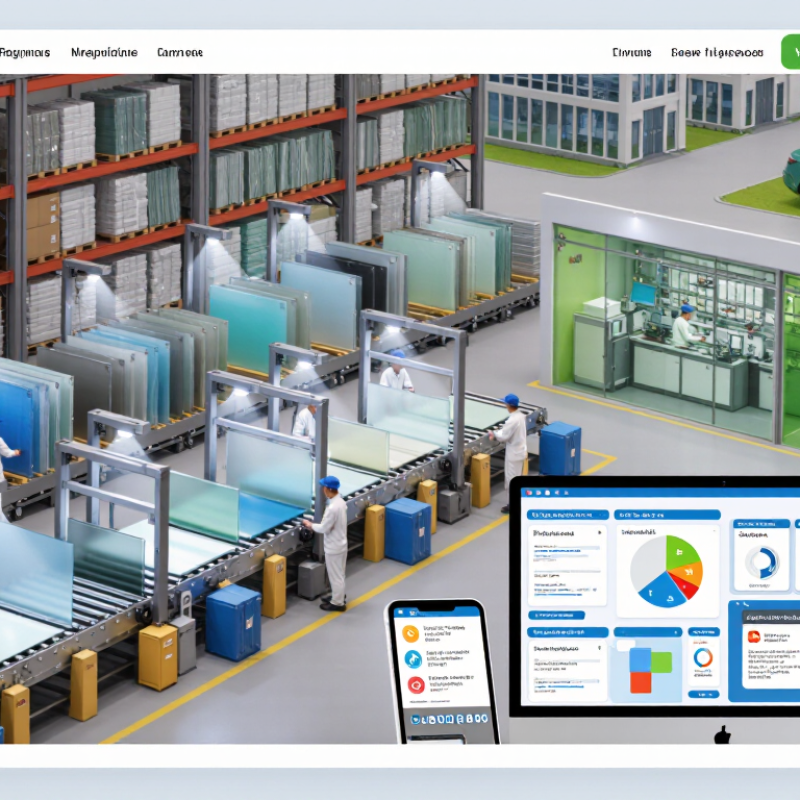
Key glass coating suppliers in China generally fall into three groups: coated-glass processors, coating-material manufacturers, and production-equipment suppliers. Processors apply functional layers to glass sheets for buildings, interiors, and vehicles. Material suppliers provide liquid or powder coatings, while equipment makers supply systems for controlled application and curing. The right fit depends on the product, not just the catalogue. A façade project may need consistent solar control, while a decorative panel may prioritize color and surface texture. Details matter.
When comparing suppliers, ask for coating specifications, sample panels, and test results tied to the intended glass and use conditions. Check whether reported values cover visible-light transmission, reflectance, adhesion, and resistance to cleaning or abrasion. Request production tolerances and clarify how samples are checked against later batches. A polished sample can hide variation across a full production run. That is easy to overlook. Also review lead times, packaging, technical support, and procedures for handling defects. Factory visits or independent testing can help verify claims, but neither replaces clear written specifications. Some suppliers may offer broad product ranges; still, technical depth can differ by coating type. A careful comparison should include the actual application process, not only price per square meter.
Comparing Supplier Products, Quality Standards, and Services
A strong glass coating supplier should be judged by measurable performance, not a glossy sample. Compare visible-light transmission, solar heat gain, haze, durability, and coating uniformity against your project’s needs. The IEA’s 2023 Global Status Report for Buildings and Construction states that buildings used about 30% of global final energy in 2022. That makes verified solar-control performance relevant, especially for large façades. Samples can mislead.
Ask suppliers for test reports tied to the same glass type, thickness, and coating process you plan to order. Check whether data covers adhesion, abrasion, weathering, and optical performance, and whether testing was completed by an independent laboratory. Grand View Research estimated the global glass coatings market at about US$2.4 billion in 2023, reflecting broad demand but not proving any supplier’s quality. Compare product data, not market claims.
Service matters after testing. Request a small production sample, a written tolerance for color and coating thickness, and clear packaging and delivery details. A capable technical team should explain how cleaning, edge processing, and storage affect the finished glass. I would also ask how defects are recorded and resolved across repeat batches. Some specifications still feel hard to compare directly; that is a reason to request raw test conditions, not accept a polished sales sheet.





