Best Garden Hose Clamp Options for Every Need?
When it comes to maintaining a thriving garden, the right tools make all the difference. A reliable Garden Hose Clamp is essential for ensuring that your hoses function efficiently. These clamps prevent leaks and ensure a steady water flow, which is vital for plant health. In the market, you can find various options, each designed for specific needs and preferences.
Choosing the best Garden Hose Clamp requires understanding your garden's requirements. Some clamps work better in tight spaces, while others are ideal for heavy-duty tasks. This variety can be overwhelming. It's important to weigh the pros and cons of each type. Quality varies widely, and not all clamps perform as promised, leading to frustration.
As you explore your choices, consider the material, size, and ease of use. A sturdy, rust-resistant clamp is often the wisest investment. However, some clamps may not offer a perfect fit, leading to leaks and wasted resources. By evaluating your garden’s unique needs and understanding the features of different clamps, you can make an informed decision. This ensures your gardening experience is efficient and enjoyable.
Types of Garden Hose Clamps: A Comprehensive Overview
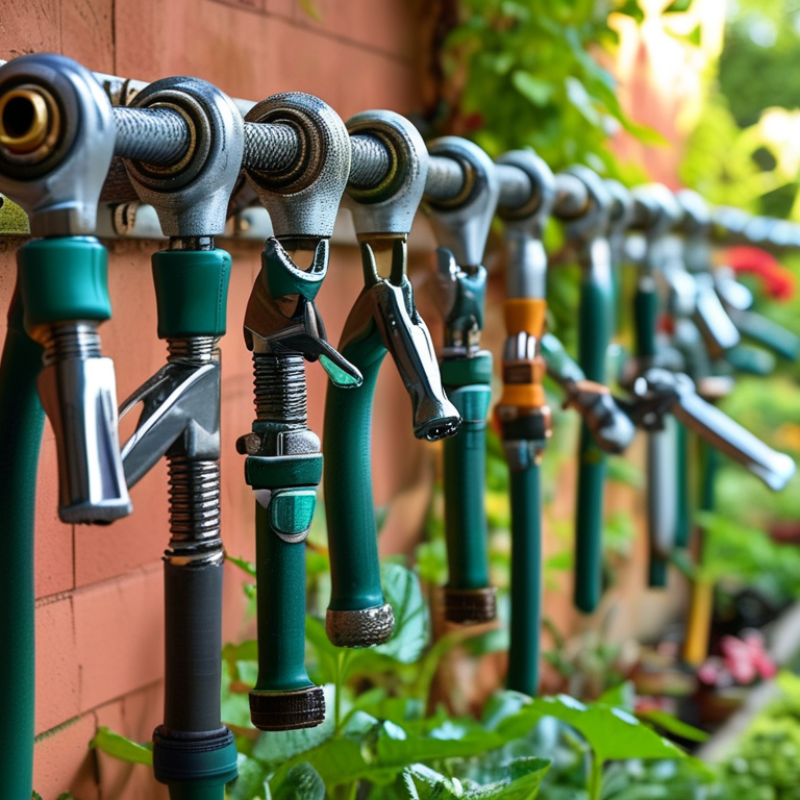
When choosing a garden hose clamp, understanding the different types can be crucial. There are several common options, including screw clamps, pinch clamps, and spring clamps. Each of these has its own features and benefits. Screw clamps are versatile and easy to use. They allow for precise tightening, ensuring a secure fit on hoses. Pinch clamps, on the other hand, are designed for quick installation. They can be useful for applications where speed is key.
Spring clamps are excellent for adjustable pressure, making them ideal for varying hose sizes. However, they may not provide the same level of strength over time as screw clamps. It is important to choose based on your specific need. If you require a temporary solution, pinch clamps might suffice. However, for long-term use, investing in durable screw clamps can save you headaches later.
The complexity of different applications means that no single clamp is suitable for all situations. Often, users find themselves needing to switch types as their gardening tasks evolve. Experimentation may be necessary to find the perfect match. Each garden and hose scenario presents unique challenges, making this exploration worthwhile.
Best Garden Hose Clamp Options for Every Need
Materials Used in Garden Hose Clamps: Durability and Performance
When selecting a garden hose clamp, the material significantly influences durability and performance. Common options include stainless steel and plastic. Stainless steel offers strength and resistance to corrosion. It excels in various weather conditions, making it a top choice for outdoor use. However, it can be heavy and expensive. Plastic clamps are lightweight and often more affordable. They work well for low-pressure applications but might not withstand intense conditions.
Different materials contribute to the overall effectiveness of a hose clamp. Some can become brittle over time, especially if exposed to UV rays. Others may lose grip strength in high temperatures. Users often report issues with plastic clamps failing in colder weather. Stainless steel, while tough, can be prone to rust if damaged. It’s crucial to assess the environment where the clamp will be used. The right material should match the demands of the garden setup.
Ultimately, selecting the best hose clamp involves weighing these material characteristics. Your needs will determine the best option. Performance often correlates with the clamp's construction and environment. Be prepared to adjust your choices as conditions change. A durable clamp can lead to fewer leaks and better garden maintenance.
How to Choose the Right Garden Hose Clamp for Your Needs
Choosing the right garden hose clamp is essential for maintaining a well-functioning garden system. When selecting a clamp, consider factors such as material, size, and intended use. Stainless steel clamps are often recommended for their durability and resistance to rust. According to a recent industry report, about 70% of gardeners prefer heavy-duty clamps for their long lifespan.
Size also plays a critical role. A clamp too small can lead to leaks, while one that's too large may not provide a secure fit. Most experts suggest measuring the diameter of the hose first, then choosing a clamp that fits snugly. Notably, loose connections can waste up to 20 gallons of water daily, according to environmental studies.
Another aspect to think about is ease of installation. Some clamps require tools for tightening, while others feature a simple hand-tightening mechanism. While convenient, some hand-tightening options may not provide as secure a fit. Consider the trade-offs before making your choice. Also, keep in mind that sometimes the least expensive option might not offer the reliability needed for long-term use. Balancing cost with quality is crucial for any gardener.
Step-by-Step Guide to Installing Garden Hose Clamps
Installing garden hose clamps correctly is essential for any garden enthusiast. These clamps ensure a secure connection between hoses and fittings. According to the National Gardening Association, a proper installation can prevent leaks, which can waste up to 1,000 gallons of water annually. Many gardeners overlook this step, leading to frustrations and unnecessary expenses.
Begin by choosing the right type of clamp. Stainless steel offers durability but may be more expensive. Plastic clamps are budget-friendly but can weaken over time. Ensure the hose end is clean and dry before installation. Position the clamp about half an inch from the hose end. This placement provides a tight seal while preventing damage to the hose. Tighten the clamp using a screwdriver or wrench. Aim for snug, but avoid overtightening, which may split the hose.
After installation, inspect the clamps regularly. Look for signs of wear or rust. This proactive approach can save money and water in the long run. In a survey by the Irrigation Association, 32% of respondents experienced leak issues due to poor clamp installation. A simple check could prevent such leaks. It's a reminder that attention to detail matters in gardening, just as in life.
Maintenance Tips to Ensure Longevity of Your Garden Hose Clamps
Regular maintenance of garden hose clamps is crucial for their longevity. A study by the American Society of Agricultural and Biological Engineers (ASABE) emphasizes that proper upkeep can extend the lifespan of hose clamps by up to 50%. This involves regularly checking for wear, rust, or any signs of tearing. Even a tiny crack can lead to leaks, reducing the efficiency of your watering system.
Inspect your clamps routinely. Look for secure fittings to avoid unexpected water flow issues. Lubricating metal parts with a silicone-based spray can prevent corrosion. Replacing clamps at the first sign of rust is also advisable. According to the National Gardening Association, rust not only weakens the clamp but may also introduce harmful particles into your garden’s water supply.
Storage conditions matter too. Storing hoses and clamps in a dry, shaded area prevents sun damage and rust. If you live in a humid climate, consider silica gel packets to absorb excess moisture. A proactive approach can save money in the long run. You might discover that small adjustments lead to significant improvements in your garden’s performance.





