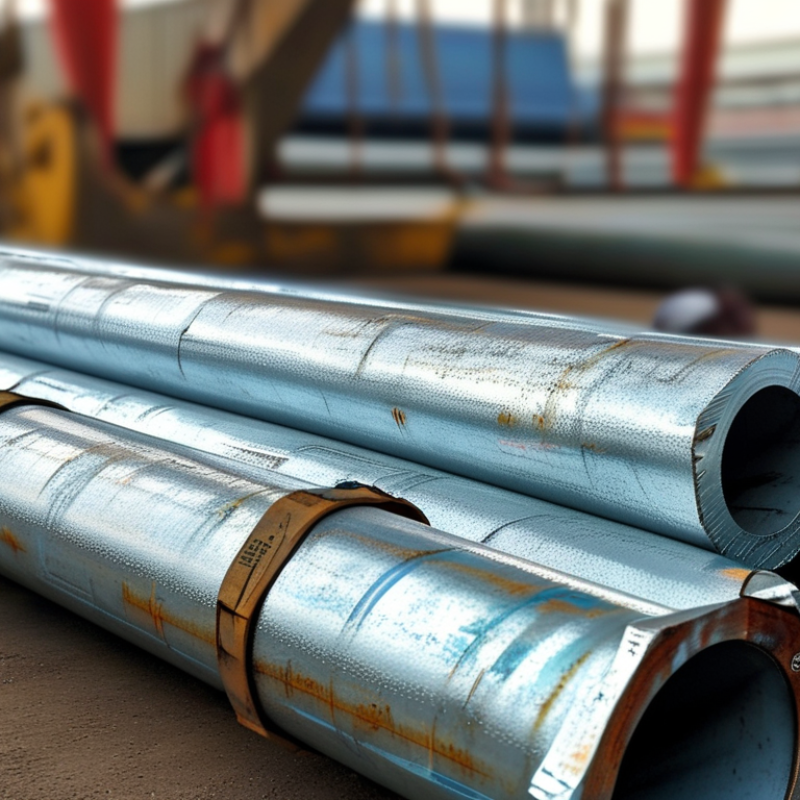
Best Galvanized Pipe Options for Global Buyers in 2026?
As we move toward 2026, the demand for high-quality Galvanized Pipe is on the rise. Global buyers seek reliable options for construction and infrastructure projects. Galvanized pipe is known for its durability and resistance to corrosion.
In selecting the best options, understanding material specifications is crucial. Different grades of galvanized pipe offer distinct advantages. Factors like pipe diameter and coating thickness play significant roles in performance. Buyers must navigate various suppliers and manufacturers to ensure quality.
Moreover, it’s essential to reflect on past experiences. Some may have encountered issues with pipe durability or vendor reliability. Knowing how to differentiate between quality options can enhance purchasing decisions. Therefore, this overview will guide global buyers in choosing the best galvanized pipe to meet their needs effectively in 2026.
Top Features to Consider When Choosing Galvanized Pipes
When selecting galvanized pipes, buyers must consider key features that impact durability and functionality. The coating thickness is critical; a thicker zinc layer often translates to increased resistance against rust and corrosion. According to a recent market report, galvanized pipes can last over 50 years, but this longevity depends heavily on the coating specifications. Buyers should review the standards of the galvanized finish, as this affects overall performance.
Another important factor is the pipe diameter. Different applications require various sizes. Larger pipes accommodate higher volumes but may cost more. A study indicated that optimizing pipe dimensions can reduce overall costs by up to 15%, especially in large-scale projects. Understanding these size requirements is essential for financial efficiency.
Lastly, quality assurance is paramount. Look for industry certifications indicative of quality, like ASTM or ISO. These certifications suggest that the products meet stringent performance benchmarks. Some buyers overlook this aspect, assuming that all options are equal, which can lead to failures or costly repairs. Being informed about these features ensures that the choice in galvanized pipes leads to long-term satisfaction and reliability.
Best Galvanized Pipe Options for Global Buyers in 2026
| Pipe Size (Inches) | Weight (lbs/ft) | Wall Thickness (inches) | Corrosion Resistance (Years) | Standard Compliance | Typical Applications |
| 1/2 | 1.50 | 0.109 | 10 | ASTM A53 | Water, Gas |
| 3/4 | 2.50 | 0.133 | 12 | ASTM A120 | Hydraulic Systems |
| 1 | 3.50 | 0.140 | 15 | ISO 65 | Construction, HVAC |
| 1 1/4 | 4.10 | 0.145 | 20 | BS 1387 | Piping Systems |
| 1 1/2 | 5.50 | 0.150 | 25 | EN 10255 | Agricultural |
Global Market Trends for Galvanized Pipes in 2026
In 2026, the global galvanized pipe market is anticipated to witness significant growth. Factors driving this trend include rising construction activities and infrastructural development. According to recent market analysis, the galvanized pipe market could reach a valuation of over $72 billion by the end of the year. Increased demand in sectors such as water supply and transportation will play a crucial role in this growth.
Investors and buyers need to stay updated on market dynamics. The Asia-Pacific region remains the largest consumer of galvanized pipes. Industries in China and India are projected to vastly expand, driven by urbanization initiatives. However, fluctuations in raw material prices can affect the overall market landscape. Buyers should stay vigilant regarding regional production costs and regulatory changes.
**Tips:** Conduct regular market research to stay informed. Understanding local demand is essential. Collaborating with local suppliers can also yield better pricing and supply chain efficiency. Always assess the long-term viability of any investment in resources like galvanized pipes, particularly considering environmental implications and changing regulations.
Global Market Trends for Galvanized Pipes in 2026
Leading Manufacturers of Galvanized Pipes Worldwide
The global market for galvanized pipes continues to evolve. Various factors influence manufacturers, including material quality and production techniques. Leading producers remain dedicated to innovation. They focus on enhancing durability and resistance to corrosion. This approach caters to various industries, such as construction and utilities.
Many manufacturers prioritize sustainability in their practices. They adopt environmentally friendly processes, ensuring compliance with regulations. However, not all companies meet these standards consistently. Potential buyers must evaluate each manufacturer carefully. Reliable suppliers often provide certificates of quality. They ensure the pipes meet international standards, but due diligence is crucial.
In addition to quality, pricing is a significant consideration. Factors like location and shipping costs can affect final pricing. Some manufacturers offer competitive rates; others might overcharge. Buyers should compare options and seek transparency. Reading customer reviews can provide insights into a manufacturer's reliability. Overall, informed decisions lead to better purchasing outcomes in the galvanized pipe market.
Comparative Analysis of Cost-Effectiveness in Galvanized Pipe Options
In the quest for cost-effective galvanized pipe options, buyers must consider various factors. One key aspect is the pipe's durability. Galvanized pipes are known for their resistance to corrosion. This characteristic is essential in extending the lifespan of the pipe and reducing replacement costs. However, the initial expense may be higher compared to other materials.
Another factor is the installation cost. While galvanized pipes may offer lower maintenance, installation can be labor-intensive. This adds to the overall expense. Global buyers should assess local labor costs and availability of skilled workers. Some regions might favor alternative materials due to installation efficiency.
Market trends also play a significant role in pricing. Fluctuations in zinc supply can impact costs. Buyers should stay informed about market dynamics to make informed decisions. Engaging with industry experts can provide deeper insights into the best options available. Balancing upfront costs and long-term value is vital for effective procurement strategies. Ultimately, an informed choice can lead to greater cost-effectiveness in the long run.
Sustainability and Environmental Impact of Galvanized Pipe Production
The production of galvanized pipes has significant environmental implications. Hot-dip galvanization involves applying a zinc coating to steel. This process can lead to harmful emissions if not managed properly. Many manufacturers are now adopting greener practices. Reducing waste and energy consumption should be a priority.
The recycling of galvanized pipes presents another challenge. While zinc is recyclable, not all galvanized products are processed properly. This means valuable materials are often lost. Buyers should prioritize suppliers who have efficient recycling protocols. It’s a step towards enhancing sustainability in the industry.
In exploring new materials, it's essential to address the environmental footprint. Innovations such as eco-friendly coatings are emerging. However, the effectiveness in real-world applications needs thorough evaluation. Balancing performance and sustainability is crucial. Industry stakeholders must prioritize this balance to minimize the environmental impact of galvanized pipe production.