Best Flood Barriers in China for Global Buyers?
Flood Barriers are crucial for protecting urban areas susceptible to flooding. In recent years, China has become a significant player in the global flood barrier market, catering to various international buyers. According to a report by Research and Markets, the global flood control market is projected to grow at a CAGR of 5.7% through 2026. This increase highlights the urgent need for efficient flood protection solutions worldwide.
China’s advanced manufacturing capabilities contribute to producing high-quality flood barriers. They offer innovative designs, including inflatable and retractable systems, addressing diverse environmental challenges. However, despite these advancements, many products still face scrutiny over effectiveness and durability. The Asian Infrastructure Investment Bank (AIIB) emphasizes the need for comprehensive evaluations of these barriers.
Global buyers should consider not only price and availability but also reliability and long-term performance. The success of flood barriers depends on proper installation and maintenance, which often requires specialized knowledge. It is vital for buyers to collaborate with experienced suppliers who can ensure quality and efficacy in flood defense systems.
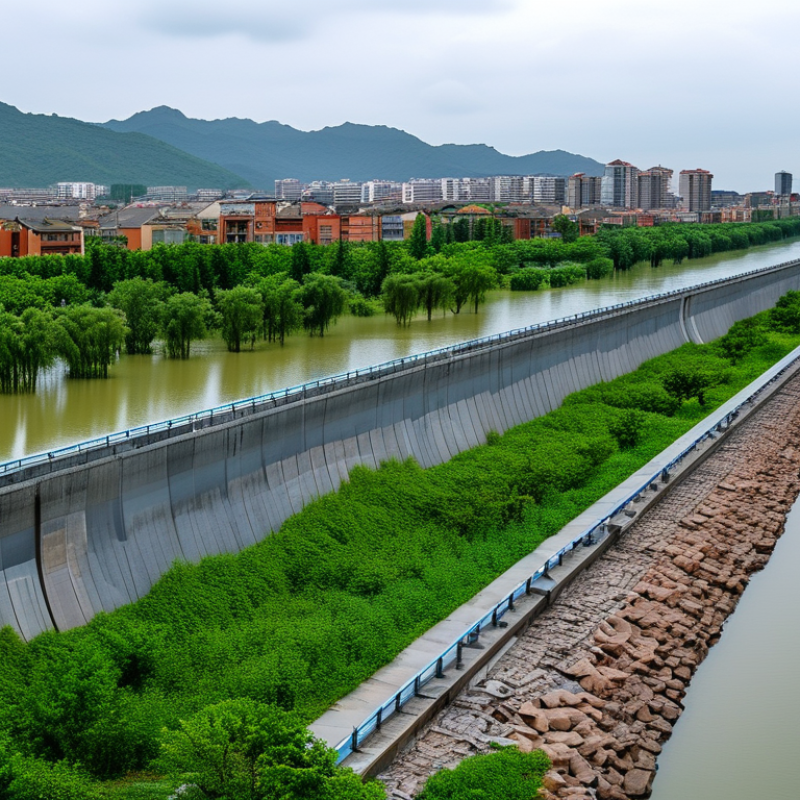
Overview of Flood Barriers in China for International Markets
When exploring flood barriers in China, it is crucial to understand their role in international markets. These barriers protect communities from rising waters during heavy rains and floods. They come in various designs, including temporary and permanent solutions. Manufacturers focus on durability and efficiency, ensuring the products meet global standards.
Many factors influence the selection of flood barriers. Material strength is essential; barriers need to withstand harsh weather. Consider the installation process as well. Some barriers require professional setup, while others are user-friendly. This can impact overall costs and effectiveness.
**Tips:** Investigate local regulations before purchasing. Understanding your area’s specific flood risks can guide your choice. Not all barriers are suitable for every environment. Balancing cost and quality is vital. This is where many buyers falter. It’s important not to rush the decision. Take time to analyze different options and their reviews. Rushing may lead to regrets later.
Best Flood Barriers in China for Global Buyers
| Model | Material | Height (cm) | Length (m) | Weight (kg) | Price (USD) | Applications |
| FB-300 | Aluminum | 100 | 2.5 | 15 | 250 | Residential areas |
| FB-500 | Steel | 150 | 3.0 | 25 | 450 | Commercial buildings |
| FB-700 | PVC | 50 | 1.0 | 10 | 120 | Temporary setups |
| FB-1000 | Concrete | 200 | 5.0 | 100 | 800 | Flood-prone areas |
Types of Flood Barriers Available in China
Flood barriers play a crucial role in disaster management across China. Various types of barriers are designed to address different flooding scenarios. These include temporary barriers, permanent barriers, and inflatable barriers. Each type is tailored for specific applications, highlighting the versatility of flood protection solutions.
Temporary barriers are often used in urban areas. They can be rapidly deployed during emergencies. These barriers are typically made from materials such as sandbags or modern engineered composites. Statistics indicate that during the 2020 floods in southern China, temporary barriers successfully protected over 500 homes from water damage. However, their effectiveness depends on prompt deployment and maintenance.
Permanent flood barriers are more structured and integral to urban planning. They often consist of concrete or reinforced walls designed to withstand significant water pressure. The National Disaster Reduction Center reports that cities employing permanent solutions report a 30% reduction in flood-related damages. Yet, these structures may not be as flexible in adapting to changing flood patterns. Inflatable barriers, while innovative, can face challenges in durability and reliability during severe weather events. As the technology evolves, continuous assessment remains vital for effective flood management.
Key Manufacturers of Flood Barriers in China
China has emerged as a leading manufacturer of flood barriers, catering to global markets. The rapid urbanization and climate change have increased flood risks, driving demand for effective water management solutions. According to a recent market analysis report, the flood barrier market is expected to witness a compound annual growth rate (CAGR) of 7.5% from 2023 to 2030. This growth indicates a robust need for innovative and reliable solutions.
Several manufacturers focus on producing high-quality flood barriers. These companies emphasize research and development for better performance. Recent studies highlight that barriers with materials like polyethylene and aluminum offer better durability and resistance to water damage. Additionally, the ability to customize sizes for different applications is a significant selling point. However, some manufacturers still struggle with quality control, leading to inconsistent product performance in various conditions.
Global buyers must consider various factors when choosing manufacturers. Certifications and testing standards play a crucial role in ensuring reliability. The focus on environmentally friendly production methods is another growing trend in the industry. Yet, as the market evolves, some manufacturers may lag in adopting sustainable practices. This could potentially hinder their competitiveness as eco-conscious consumers become more prevalent.
Factors to Consider When Purchasing Flood Barriers
When selecting flood barriers, several factors play a crucial role. The primary consideration should be the material used. Options like sandbags, inflatable barriers, and rigid panels each have unique strengths and weaknesses. Assess the durability and effectiveness of each material against potential flood scenarios. Make sure the barriers are tested in various weather conditions.
Cost is another important factor. While high-quality barriers may come at a premium, they often offer better protection. This is an investment toward disaster prevention. It’s essential to balance quality with your budget.
Tips: Always read reviews from past customers. Their experiences can provide insights into product performance. Also, consider the ease of installation. Complicated setups can lead to delays when time is critical.
Additionally, think about storage space. Some barriers require significant room when not in use. Ensure you have adequate space to store the barriers without damaging them. Keep in mind that choices might evoke uncertainties; researching and comparing options can seem overwhelming. Don't hesitate to seek expert advice.
Case Studies of Successful Flood Barrier Implementations in China
Flooding poses significant challenges for many regions in China. Local governments have embraced innovative solutions to combat this growing issue. One notable case involved a major city integrating temporary barriers during heavy monsoon seasons. These barriers were designed to be quickly deployed, emphasizing both functionality and ease of use.
In another city, a community-based project showcased the potential of reusable flood barriers. Residents collaboratively installed barriers along critical waterways. This hands-on involvement fostered a sense of ownership and responsibility. It highlighted the importance of public engagement in flood management. However, some barriers failed to meet expectations, leading to discussions about alternative strategies.
Throughout these implementations, challenges emerged. For instance, factors like rising water levels often rendered some barriers ineffective. Additionally, there were concerns about maintenance and long-term sustainability. These experiences underline the need for continued innovation and evaluation in flood barrier technology. The complexities of flooding require adaptive solutions.





