Best Field Fence Options for Your Agricultural Needs?
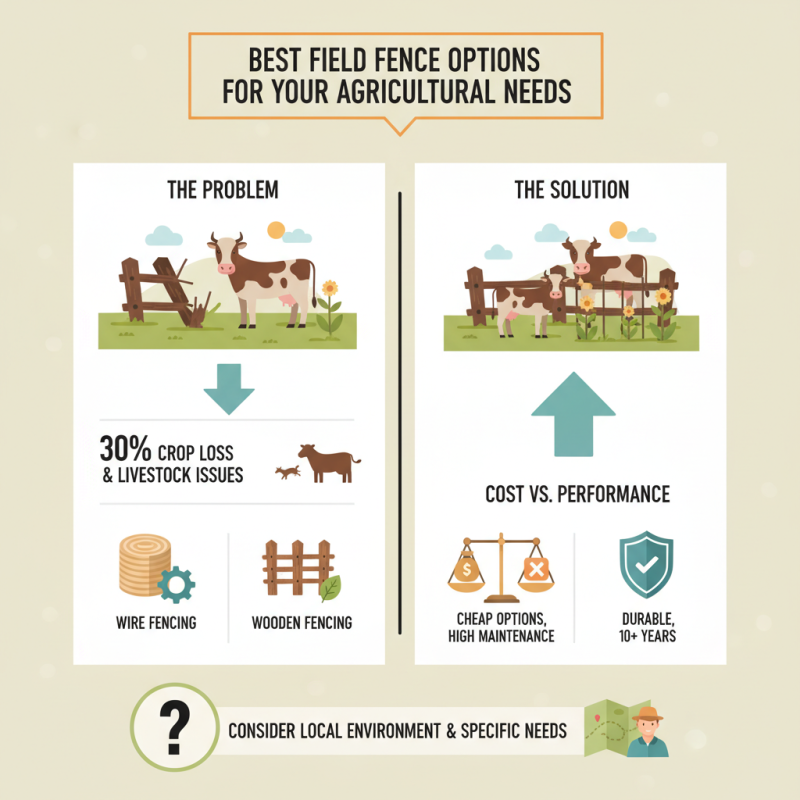
In the agricultural sector, choosing the right Field Fence is crucial. Reports indicate that improper fencing can lead to significant crop loss and livestock issues. A study by the American Farm Bureau Federation highlights that robust fencing can reduce livestock escape incidents by up to 30%.
Field fences come in various materials and designs, each serving distinct needs. Wire fencing is often favored for its durability. However, wooden fences can enhance aesthetic appeal while providing essential security. The choice largely depends on geographic and operational factors.
Farmers must weigh costs against performance. While some might lean towards cheaper options, long-term maintenance can offset initial savings. A durable field fence can last over a decade with proper care. Yet, many underestimate the impact of the wrong fencing choice. Thus, understanding your specific needs and the local environment is essential.
Types of Field Fencing Materials for Agriculture
When choosing the right field fencing materials for agricultural purposes, several options stand out. Wire fencing remains a popular choice. Its durability supports livestock while resisting natural elements. There are different types of wire, including barbed and smooth. Barbed wire deters trespassers, while smooth wire is safer for animals.
Wooden fencing is also a classic option. It offers a sturdy structure and aesthetic appeal. However, it requires regular maintenance to prevent rot and decay. For a modern approach, synthetic fencing materials are gaining traction. They are lightweight, weather-resistant, and require little upkeep.
Tips: Consider the specific needs of your livestock. Smaller animals may need tighter security. Make sure your fencing aligns with your overall farm layout. Regular inspections are crucial for maintaining the integrity of any fence. Evaluate potential damage from weather and pests. Having a well-planned strategy can save costs in the long run. Ultimately, the best choice depends on your unique agricultural needs and environmental conditions.
Factors to Consider When Choosing Field Fencing
When selecting field fencing, several critical factors must be considered. Durability is paramount. Fences endure harsh weather, livestock pressure, and soil conditions. According to a report by the American Farm Bureau Federation, choosing materials that can withstand elements extends the lifespan of the fence by up to 40%. Steel and welded wire often outperform traditional wood in longevity.
Cost is another vital aspect. Farmers face budget constraints while aiming for quality fencing. A study from the USDA indicates that farmers save an average of 15% on maintenance costs with high-quality materials. This emphasis on cost-effectiveness rather than initial expenditure can lead to long-term savings. It is important to weigh product features against the investment.
Also, consider the type of livestock. Certain animals require specific fence heights and strengths. For instance, cattle may require a stronger barrier than sheep or goats. A basic misjudgment here could lead to significant losses. The right choice minimizes potential breaches, ensuring farm productivity remains stable. Reflecting on these considerations can enhance decision-making when investing in field fencing solutions.
Comparative Analysis of Woven Wire and Barbed Wire Fences
When choosing between woven wire and barbed wire fences for agricultural needs, several factors play a crucial role. Woven wire fences, known for their durability, offer robust protection against livestock. The design includes tightly woven wire, making it nearly impossible for animals to escape. These fences are also versatile, accommodating various animal types, from cattle to sheep.
Barbed wire fences, on the other hand, excel in cost-effectiveness and installation speed. They’re ideal for larger areas where livestock control is necessary, although they can be more challenging for smaller animals. The sharp barbs can deter predators effectively, yet they may cause injuries to animals if not maintained properly.
Farmers often choose based on specific needs. Woven wire offers higher security but at a greater expense. Barbed wire, while cheaper, requires regular checks to ensure safety. Each option has strengths and weaknesses, requiring careful consideration to best fit your agricultural scenario. Whatever choice you make, your fencing needs regular maintenance to function effectively.
Maintenance and Longevity of Various Field Fence Types
Field fences are essential for agricultural practices, offering durable solutions for livestock containment and crop protection. The longevity of these fences varies significantly based on materials and maintenance. Research indicates that properly maintained woven wire fences can last over 25 years. However, neglect can reduce this lifespan considerably.
Regular inspections and timely repairs are vital to ensure maximum durability. For example, galvanized steel fences resist rust and corrosion, significantly extending their life. Conversely, untreated wood fences may need replacement every 5 to 10 years due to rotting and pest damage. This stark contrast highlights the importance of material selection based on local weather conditions and farm operations.
Farmers should also consider the cost of maintenance, which can add up. A report from the American Farm Bureau Federation shows that proper care can reduce fencing expenses by up to 30%. Investing time in maintaining fences can ultimately save money in the long run. Yet, many farmers overlook minor issues until they escalate, leading to increased repair costs and reduced fence lifespan. Effective maintenance practices can ensure fences remain a reliable part of agricultural infrastructure.
Best Field Fence Options for Your Agricultural Needs
| Fence Type | Material | Typical Lifespan | Maintenance Level | Cost Range (per foot) |
| Barbed Wire | Steel | 10-15 years | Low | $0.10 - $0.30 |
| Woven Wire | Galvanized Steel | 20-30 years | Medium | $0.50 - $1.00 |
| Electric Fence | Polymer & Steel | 10-20 years | High | $0.80 - $2.00 |
| Vinyl Fence | PVC | 20-30 years | Low | $2.00 - $5.00 |
| Chain Link Fence | Galvanized Steel | 15-20 years | Medium | $0.75 - $1.50 |
Cost Considerations for Agricultural Field Fencing Solutions
Cost considerations are crucial when selecting field fencing for agricultural use. Farmers often face tight budgets, making it necessary to evaluate various materials and styles. Steel and wooden fences dominate the market, but the cost varies significantly. Reports indicate that the average cost of barbed wire fencing ranges from $1.50 to $3.00 per foot, while high-tensile wire can be between $0.50 and $1.50. This variability often depends on the quality and gauge of materials used.
Labor costs can also impact the overall expenditure. Installation of fencing may require two to three workers, often increasing project costs by approximately 30%. DIY installation can save money, but it may lead to installation errors that affect durability. It’s vital to ensure proper line and tension to avoid future repair expenses. A study shows that improperly installed fences have a 40% higher likelihood of needing repairs within the first five years.
Maintenance expenses should not be overlooked. Different fencing materials require varying levels of upkeep. For instance, wooden fences may need regular treatment against rot and pests. In contrast, metal options typically demand less, but can still rust without proper protection. Planning for these ongoing costs helps in making informed decisions, balancing initial investments with long-term sustainability in agriculture.