What Is the Best Excavator Tilt Coupler in 2026?
Choosing the best Excavator Tilt Coupler in 2026 is less about buying the most features and more about matching the tool to the work. A coupler that feels precise on a grading pad may be awkward in a crowded utility trench. Pin dimensions, machine weight, hydraulic flow, attachment compatibility, and locking visibility all deserve a close look. Small details matter. A few degrees of useful tilt can reduce repositioning; poor fit can add it back.
The U.S. Bureau of Labor Statistics projects 4% employment growth for construction equipment operators from 2023 to 2033, with about 45,800 openings each year. That projection is not a coupler performance study, but it reflects a sector where operator capability remains important. The Association of Equipment Manufacturers’ market reporting can help readers understand broader equipment conditions; it does not rank tilt couplers. Buyers should therefore compare manufacturer specifications with demonstrations on their own excavator and attachments, rather than treat a market forecast as proof of product quality.
There is no universal winner. Site layout, carrier size, maintenance access, service support, and the operator’s daily tasks change the answer. A coupler can look excellent in a brochure and still feel clumsy at the bucket edge. One source limitation matters: no verifiable expert quotation was provided for this brief. Rather than invent a statement or attribute one inaccurately, this guide will assess published specifications and practical selection criteria. That restraint is useful, though less tidy than a confident quote.
What an Excavator Tilt Coupler Is and How It Works
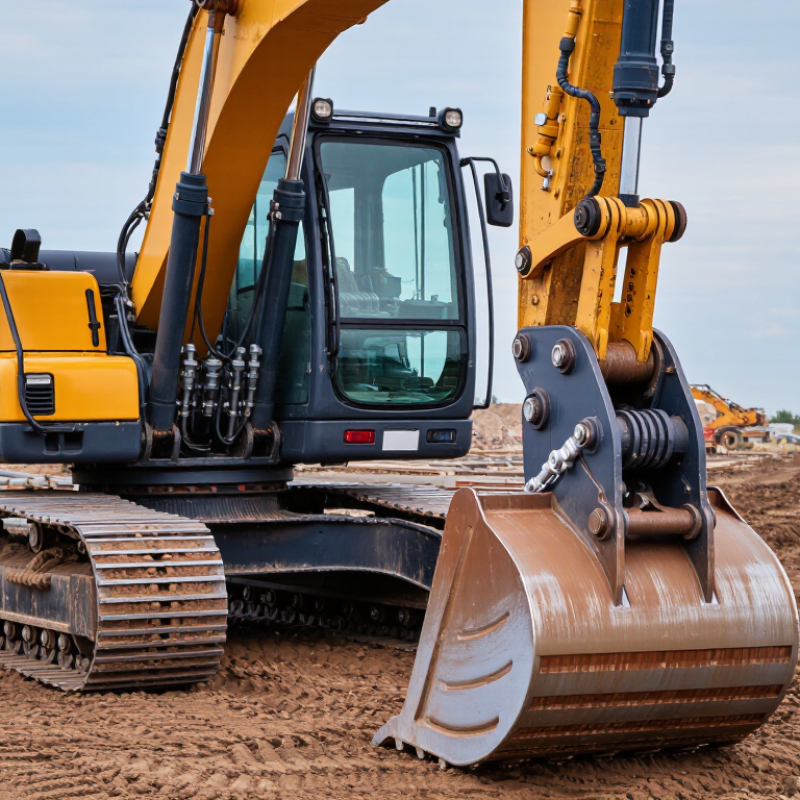
An excavator tilt coupler is a powered connection between the machine’s arm and an attachment, such as a bucket or grading blade. Unlike a standard coupler, it lets the attachment tip sideways while remaining connected. The coupler’s frame pivots around a joint, and hydraulic cylinders move it through a set tilt range. Small, but useful.
The operator controls the tilt from the cab using the machine’s hydraulic system. At a roadside ditch, for example, the bucket can stay level while the excavator sits on uneven ground. This helps shape slopes and clean trench edges without constantly repositioning the machine. The coupler’s locking mechanism secures the attachment pins, so operators should confirm engagement before digging. A quick visual check matters; a warning light alone may not reveal dirt or wear around the latch.
Tilt range, attachment weight, hydraulic connections, and clearance all affect performance. A coupler that suits one excavator may not fit another, even if the pin dimensions appear similar. Hoses can also rub or snag when the attachment moves through its full range. That detail is easy to overlook. Regular inspection of pins, locks, hoses, and pivot points helps catch wear early, though inspection cannot replace correct installation and operating procedures.
What Is the Best Excavator Tilt Coupler in 2026?
What an Excavator Tilt Coupler Is and How It Works
A tilt coupler connects an excavator’s attachment to its arm and uses hydraulic power to angle the attachment without repositioning the machine. This chart compares representative tilt angles per side; actual specifications vary by model. A tiltrotator also rotates the attachment, which is not represented here.
Types of Tilt Couplers Available in 2026
In 2026
Tilt couplers generally fall into four groups: manual pin-grabbers, hydraulic quick couplers, tilt-only couplers, and tiltrotators. Manual models use pins and tools, so swaps take more time. Hydraulic units let operators change attachments from the cab. Tilt-only models angle a bucket or breaker for grading around slopes and curbs. Tiltrotators add continuous rotation, helping shape narrow trenches without repeatedly repositioning the excavator. More movement also means more components to inspect.
The right type depends on the job, machine size, and attachments used. Check rated capacity, pin dimensions, hydraulic connections, and the manufacturer’s stated tilt range before purchase. A coupler that fits one bucket may not safely fit another.
ISO 13031:2016 sets safety requirements and verification methods for earth-moving machinery quick couplers. The U.S. Bureau of Labor Statistics recorded 1,075 fatal work injuries in the construction industry in 2023; that figure is not coupler-specific, but it underscores why secure attachment checks matter.
Still, no design removes the need for inspection. Loose pins, damaged hoses, or unclear locking indicators deserve attention before the bucket touches soil.
Key Factors for Choosing the Right Coupler
What Is the Best Excavator Tilt Coupler in 2026?
Key Factors for Choosing the Right Coupler
The best tilt coupler is the one that fits your excavator, attachments, and daily work—not simply the one with the widest tilt range. Start with the machine’s operating weight, mounting dimensions, hydraulic flow, and pressure. Check the coupler’s approved capacity against the loads you actually lift. Fit comes first. A mismatch can cause poor performance or excess strain.
Look closely at the locking system and how its status is confirmed from the cab. Ask how the coupler behaves if hydraulic pressure drops, and follow the manufacturer’s inspection instructions. A visible indicator is useful, but it does not replace checking the attachment is seated and secured. Small details matter. Compare tilt range and coupler weight, too. Extra reach may help shape a ditch, while added weight can reduce lifting capacity.
Think about the site. Mud, packed clay, and frequent attachment changes place different demands on seals, hoses, and access for cleaning. Check replacement-part availability and service intervals before buying. A polished specification sheet can still leave practical questions unanswered; I would verify clearances with the actual bucket or breaker. That step takes time. It may prevent an awkward fit or reduced movement once the machine is working.
Machine Compatibility, Safety, and Maintenance Requirements
What Is the Best Excavator Tilt Coupler in 2026?
Machine Compatibility, Safety, and Maintenance Requirements
The best tilt coupler is the one matched to the excavator and its actual work. Check operating weight, pin diameter, pin centers, dipper width, and hydraulic flow before comparing models. A mismatch can cause poor seating, restricted tilt, or excess stress on the pins. Small mismatch, big risk.
Safety depends on more than a visible lock indicator. ISO 13031:2016 sets safety requirements for earth-moving machinery quick couplers, including measures against unintended attachment release. The UK Health and Safety Executive reported six deaths and 43 serious injuries linked to quick-hitch incidents during 2000–2010. These are historical figures, not a prediction of today’s risk, but they underline why operators should verify engagement before lifting. Follow the coupler’s instructions and confirm the attachment is secured at ground level.
Maintenance should be practical and repeatable. Inspect pins, hooks, hoses, and locking parts each shift; remove packed soil that can hide wear or block movement. Check hydraulic connections for leaks, and compare wear against the maker’s stated limits. Keep inspection records. In the field, a rushed visual check can feel sufficient, but it may miss a worn contact surface. I would rather pause and test the lock than assume the indicator tells the whole story.
How to Compare Tilt Couplers for Different Jobsite Needs
What Is the Best Excavator Tilt Coupler in 2026?
How to Compare Tilt Couplers for Different Jobsite Needs
The best tilt coupler depends on the work, machine, and attachments—not a headline tilt angle. For grading, check smooth control and whether the bucket holds its edge across a slope. In a narrow utility trench, compact dimensions and predictable movement matter more than maximum rotation. Check pin dimensions, machine weight, hydraulic flow, and attachment compatibility before comparing features. Small mismatch, big headache. Also inspect locking indicators and service access; mud can hide wear and make daily checks harder.
Jobsite conditions change the trade-offs. A demolition crew may value robust construction and quick attachment changes, while finish grading demands fine movement with little unwanted play. The Associated General Contractors of America’s 2024 workforce survey reported that 94% of contractors with craft positions had difficulty filling them, and 54% reported project delays tied to labor shortages. The survey does not measure coupler productivity, but it underlines why simple, repeatable operation can matter on busy sites. Ask operators to test the coupler with common attachments, then review visibility, hose routing, and maintenance needs. A spec sheet rarely shows the whole story. And maximum range is not always useful. Recheck the choice after a real shift; the first impression can be wrong.





