Best Esd Storage Box Solutions for Electronics Protection?
When it comes to safeguarding electronic devices, an effective Esd Storage Box is crucial. Electronic components are sensitive to electrostatic discharge, which can cause irreversible damage. An ESD storage solution not only protects devices but also helps in organizing them for easy access.
The market offers a variety of ESD storage boxes, each designed with unique features. Some are stackable, allowing efficient use of space. Others come with cushioning materials to absorb shocks. However, choosing the right box can be challenging. Not every ESD storage box is created equal, and different environments require distinct solutions.
Consider your specific needs. Are you storing small components or larger devices? This will influence your choice. Evaluating materials and build quality is essential. A poorly made box could compromise your electronics. Reflect on what worked in the past and what didn’t. This experience will guide you to make informed decisions regarding your ESD storage needs.
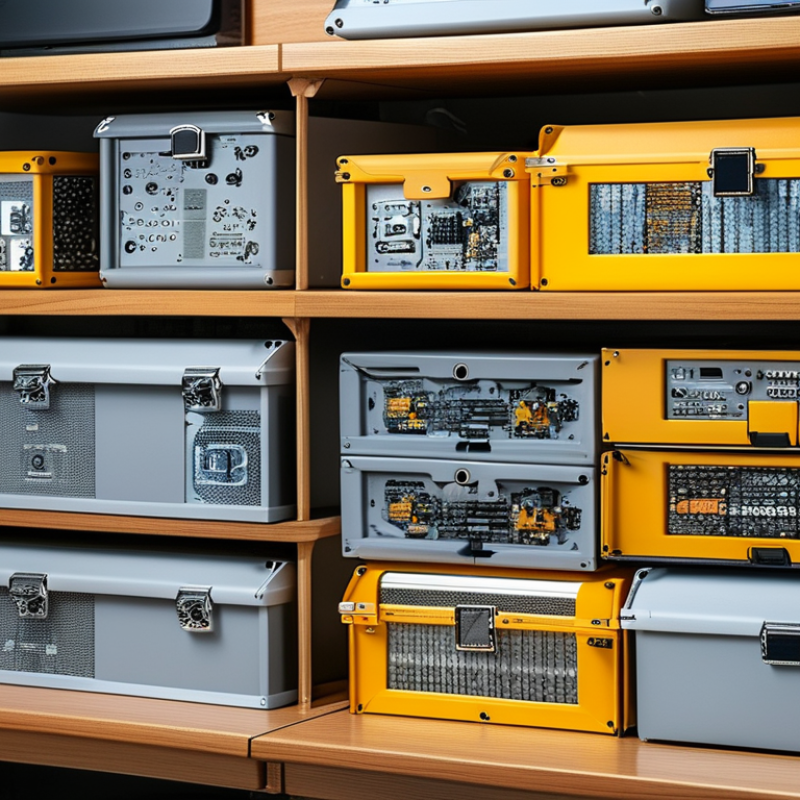
Understanding ESD and Its Impact on Electronics
Electrostatic Discharge (ESD) poses a significant threat to electronic components. Industries report that ESD-related failures account for up to 30% of manufacturing losses. Understanding ESD and its effects can help mitigate damage in sensitive devices. ESD occurs when there is a sudden flow of electricity between two charged objects. This can happen through direct contact or even close proximity. For instance, a human can build up a charge of 20,000 volts merely by walking across a floor.
Effective ESD protection is more crucial than ever. According to industry studies, the cost of replacing damaged electronic parts can reach thousands of dollars annually for companies. Organizations must prioritize ESD-safe environments. Utilizing ESD storage solutions can drastically decrease risks. These solutions include anti-static bags, containers, and mats. Such tools help maintain a controlled environment, reducing the likelihood of discharge incidents.
Despite advances in ESD protection, challenges remain. Some companies overlook ESD safety protocols, resulting in compromised workspaces. Employees might be unaware of proper handling techniques, contributing to product failures. Continuous training and investment in new ESD packaging solutions are essential. Ensuring comprehensive awareness can improve outcomes and protect sensitive electronics more effectively.
Types of ESD Storage Boxes Available in the Market
When it comes to protecting electronics, ESD storage boxes play a critical role. Electrostatic discharge (ESD) can damage sensitive components easily. Different types of ESD storage boxes are available on the market, designed to cater to various needs. One popular type is the anti-static bin, which offers a significant barrier against electrostatic charges. According to a report by the ESD Association, improper handling accounts for up to 30% of electronics failures.
Another option in this landscape is the ESD-safe tote. These totes are engineered to reduce static generation, ensuring components remain safe from ESD hazards. Their design often includes dividers to organize parts efficiently. Research indicates that proper storage can increase component longevity by 50%. Despite their benefits, not all ESD solutions are created equally. Some storage boxes may lack adequate ESD shielding, leading to potential risks.
Moreover, the size and material of storage boxes can influence effectiveness. For instance, corrugated plastic boxes are lightweight and durable, yet they might not provide the same level of protection as metal alternatives. It's essential to assess your specific requirements carefully. Balancing cost with reliable protection is vital for sustaining the integrity of sensitive electronics.
Key Features to Look for in ESD Storage Solutions
When selecting ESD storage solutions for electronics, focusing on key features is essential. Effective electrostatic discharge (ESD) protection is the primary requirement. Devices can be damaged by static electricity. According to a report by the ESD Association, damages caused by static discharge account for over $5 billion annually in electronics. This underlines the importance of proper storage.
Look for materials with conductive properties. Anti-static plastics and metal containers can significantly reduce static risks. The American National Standards Institute suggests containers should maintain a surface resistance between 10^6 and 10^9 ohms to ensure adequate protection. Additionally, cushioning and compartmentalization are vital for preventing physical damage. This organization highlights that most electronic failures occur due to inadequate handling and storage solutions.
Ventilation is another often overlooked aspect. Proper airflow helps minimize moisture buildup, which can lead to corrosion. Furthermore, design features that allow for easy organization aid in maintaining proper inventory. An organized workspace has been shown to improve workflow efficiency by up to 30% in electronic repair environments. Maintaining an effective ESD storage system is crucial for longevity and reliability in electronics.
Best Practices for Organizing Electronics with ESD Boxes
Organizing electronics effectively is crucial for ensuring their safety. ESD (Electrostatic Discharge) storage boxes provide a way to protect sensitive devices from static electricity. These boxes come in various sizes and configurations to accommodate different electronic components. When using ESD boxes, it's essential to create an organized system that prioritizes accessibility and safety.
Establishing a labeling system is a practical way to enhance organization. Clear labels help identify contents quickly. Using color-coded labels can aid in categorizing items, reducing search time. Consider separating components by type or function. This might mean grouping resistors, capacitors, and circuit boards distinctly. This organization helps not only in finding items but also in maintaining an efficient work environment.
One challenge is maintaining this organization over time. It can be tempting to mix items when in a hurry. Regularly revisiting your storage system can help reinforce good habits. Encouraging feedback from team members about the organization can unveil areas for improvement. Adapting to insights ensures that your setup remains functional and efficient.
Comparative Analysis of Leading ESD Storage Brands
When it comes to ESD protection for electronics, the right storage solutions are crucial. A detailed analysis of various ESD storage brands highlights significant differences in materials and construction quality. For instance, studies indicate that proper ESD protection can reduce component failures by over 30%. Many facilities overlook the importance of using certified ESD materials, which can lead to costly damage.
Research suggests that static electricity can discharge at levels above 30 volts, potentially harming sensitive electronic components. This statistic emphasizes the need for robust ESD solutions. When comparing brands, aspects such as durability, ease of access, and cost-effectiveness are vital. Some brands offer superior materials that withstand wear better than their competitors. However, creating a balance between protection and practicality can be challenging.
Another point of consideration is that not all products have undergone rigorous testing. Some options may look appealing but lack necessary certifications. A misstep here can result in insufficient protection. Even strong brands can have occasional product inconsistencies. Users need to stay informed and be cautious. Investing in reliable ESD storage solutions is a step toward preserving the integrity of electronic components.
Best ESD Storage Box Solutions for Electronics Protection
| Feature | Option A | Option B | Option C |
| Material | Conductive Plastic | Metal | Plastic |
| Size Options | Small, Medium, Large | Medium, Large | Small, Large |
| Price Range | $10 - $30 | $25 - $50 | $15 - $40 |
| Weight Capacity | Up to 25 lbs | Up to 50 lbs | Up to 20 lbs |
| ESD Rating | Class 0 | Class 1 | Class 2 |
| Color Options | Black, Blue | Gray | Black, Red |





