What Are the Best EMT Waterproof Connectors in 2026?
Choosing the right Emt Waterproof Connectors in 2026 starts with understanding what “waterproof” actually means. EMT is thin-wall metal conduit, and its fittings are not automatically suitable for every wet location. A connector marked rain-tight may resist driven rain when installed correctly, but that does not mean it can withstand immersion. The distinction matters. A fitting beside a washdown area faces different exposure than one inside a damp utility room.
This guide compares connector options by practical criteria: conduit size, material, corrosion resistance, sealing design, and documented wet-location ratings. It also considers how securely a fitting grips EMT and whether its installation instructions support reliable bonding. Look for clear manufacturer specifications and applicable product listings; do not rely on appearance or vague “waterproof” claims alone. A rubber gasket can look reassuring, yet the complete assembly and installation determine performance. That detail is easy to overlook.
There is no single best connector for every project. Stainless steel or corrosion-resistant finishes may suit harsh environments, while other listed materials can be appropriate for less demanding conditions. Check the actual exposure, temperature, and conduit compatibility before choosing. And follow local requirements. This comparison aims to make those checks easier, while recognizing that product labels and field conditions do not always tell the whole story.
What EMT Waterproof Connectors Are and Where They Are Used
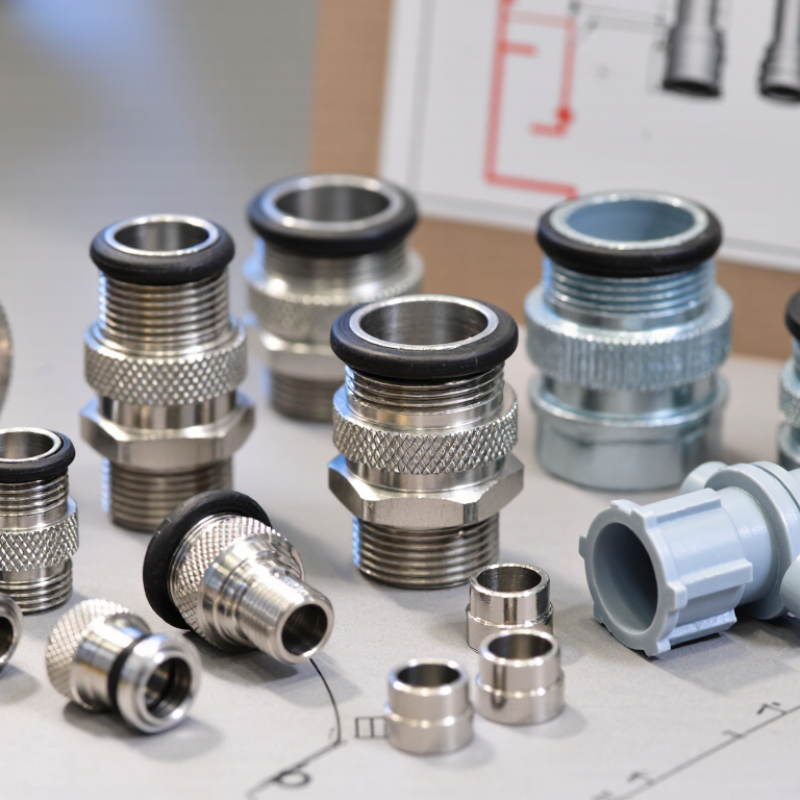
EMT waterproof connectors are fittings that join electrical metallic tubing (EMT) to a box, cabinet, or enclosure while helping limit water entry at the connection. Many use a compression nut and sealing gasket; others use a set-screw body with a specific sealing design. They are not interchangeable by appearance alone. Small parts matter.
These fittings are used where conduit may face rain, damp air, splashes, or occasional washdown, such as exterior walls, rooftops, parking structures, and utility rooms. In a real installation, water can track along conduit and collect at an enclosure opening. A properly matched connector helps control that path while supporting the tubing and protecting conductors from abrasion at the edge.
“Waterproof” is not a universal performance level. Check the fitting’s stated wet-location or raintight suitability, conduit trade size, enclosure entry, and installation instructions. A gasket pinched during tightening can defeat the seal; overtightening can also distort parts. I would inspect the finished joint after installation, especially where vibration or temperature changes are expected. Water resistance depends on the complete assembly, not just one connector. This is sometimes overlooked.
What Are the Best EMT Waterproof Connectors in 2026?
EMT connectors join electrical metallic tubing to boxes or enclosures. For wet locations, use fittings specifically listed and marked for the application; an IP rating describes an enclosure’s protection and does not, by itself, certify an EMT connector.
How to read this chart: The second digit in an IP code indicates water-protection level under IEC 60529 test conditions. IPX5 is tested against water jets, IPX6 against powerful water jets, and IPX7 against temporary immersion (up to 1 metre for 30 minutes). These ratings are not a substitute for checking the fitting’s listing, installation instructions, and suitability for the location.
How Connector Types and Protection Ratings Differ
EMT fittings differ in both construction and tested protection. Set-screw connectors use tightened screws to grip tubing, while compression connectors use a gland that clamps around it. Standard set-screw fittings are often intended for dry locations; use them in wet areas only when their listing permits it. Compression does not automatically mean waterproof. Check the fitting’s marking and installation instructions.
Protection ratings describe specific tests, not a universal promise. IEC 60529 defines IPX5 as resistance to water jets and IPX7 as temporary immersion up to one meter for 30 minutes. NEMA 250 distinguishes Type 3R enclosures, designed for rain and sleet, from Type 4 enclosures, tested against hose-directed water. Type 4X adds corrosion protection. These figures apply to rated products and assemblies, not every connector attached to them. That detail is easy to miss.
For an outdoor EMT run, look for fittings explicitly listed as raintight or suitable for the intended wet location. Match the rating to the exposure: wind-driven rain at a wall penetration differs from washdown near a hose. Inspect seals, locknuts, and threads; a loose coupling can defeat a good rating. One caveat: labels may describe different test methods, so ratings are not always directly comparable. A careful fit still matters.
Which Features Matter When Choosing an EMT Waterproof Connector
Choosing an EMT waterproof connector starts with the conditions it must handle. Check its stated weather or ingress rating against exposure to rain, washdown, dust, or standing water. “Waterproof” alone is not a complete specification. The enclosure, conduit entry, and installation method all affect protection.
Fit matters. Match the connector to the EMT’s trade size, and confirm that its gasket seats evenly against the box. Look for corrosion-resistant materials when the installation faces moisture or temperature swings. A connector that is easy to tighten can help prevent uneven compression, but hand feel is not a reliable torque gauge. Follow the installation instructions, especially where a specified torque is given.
Inspect the seal before assembly. Small cuts, grit, or a twisted gasket can leave a path for water. Keep the mating surface clean. Then check that the conduit is fully inserted and the connector stays firm under a gentle pull. Some jobs involve vibration or frequent temperature changes; those details can change which connector is suitable. I would not choose by price alone, though the highest rating may be unnecessary in a sheltered indoor location. Verify the product documentation for the actual enclosure and site conditions. A sound connector helps, but it cannot compensate for a poorly sealed box or damaged entry.
How Leading Connector Options Compare by Application
What Are the Best EMT Waterproof Connectors in 2026?
The right EMT connector depends on where the conduit runs, not just its price. For outdoor walls, washdown areas, and damp service spaces, raintight compression connectors are often a practical choice. Their compression ring grips the tubing evenly when tightened correctly. Check the connector’s marked rating and confirm it suits the enclosure and installation conditions. A fitting alone cannot make an entire raceway waterproof.
In dry indoor spaces, set-screw connectors are usually simpler and quicker to install. They can work well in garages, utility rooms, or exposed indoor runs where moisture is not expected. For panels and junction boxes, an insulated throat can help protect conductors from sharp edges. Small detail. It matters when wires are pulled through a busy box.
Some locations need better moisture protection than others. A covered exterior wall differs from a conduit run exposed to driving rain or regular washdown. Compare the fitting’s rating, material, tubing compatibility, and installation instructions before choosing. Tighten it to the specified method; overtightening may damage components, while a loose connection can compromise the seal. There is no perfect pick for every job, and field conditions are not always neat. The enclosure, conduit entries, and workmanship all affect the final protection. When exposure is uncertain, verify the application requirements with the product documentation or a qualified electrical professional.
How to Install and Maintain EMT Waterproof Connections
Reliable EMT waterproof connections begin with the right fitting, not extra sealant. Choose connectors listed for wet locations and compatible with the conduit, enclosure, and environment.
Keep cut ends square, remove burrs, and seat the conduit fully. Tighten fittings to the manufacturer’s specified torque; overtightening can damage threads or distort the connector. Small details matter.
Use a torque wrench when specified, then check that the run is supported and the enclosure entry sheds water. Seal unused openings with listed closures. Do not assume a bead of caulk makes an unsuitable fitting rain-tight.
NFPA’s 2023 Electrical Fires report estimated 46,700 U.S. home structure fires annually involved electrical failure or malfunction during 2015–2019. That figure is not specific to EMT, but it underlines why sound electrical work matters.
Inspect exposed connections for corrosion, looseness, cracked seals, or water marks, especially after severe weather. Replace damaged fittings rather than patching them. A dry-looking box can still hide moisture; visual checks have limits. Follow the applicable electrical code and fitting instructions, and have a qualified electrician assess uncertain or deteriorated installations.





