10 Best Electrical Insulation Paper Manufacturers for Global Buyers
Electrical Insulation Paper rarely attracts attention until a transformer runs hot, a motor ages, or a winding needs dependable separation. Then the details matter: thickness consistency, tensile strength, moisture control, dielectric performance, and clean conversion. A roll can look uniform under warehouse lights and still reveal weak spots during testing. Small differences matter.
This guide compares 10 manufacturers for global buyers, focusing on product range, technical documentation, customization, quality controls, and export experience. These are practical screening points, not guarantees of performance. Buyers should match paper grades to operating temperature, voltage, equipment design, and applicable test requirements. Ask for current data sheets and traceable test results. Check lead times, packaging, and sample availability, too. A polished catalogue is not enough.
Michael Faraday wrote, “Nothing is too wonderful to be true, if it be consistent with the laws of nature.” His reminder suits material selection: trust measurable evidence over confident claims. Still, no ranking can replace a qualified engineering review. Supplier capabilities change, and public information may be incomplete. This comparison aims to make the first shortlist clearer, while leaving room for questions—and a little healthy doubt.
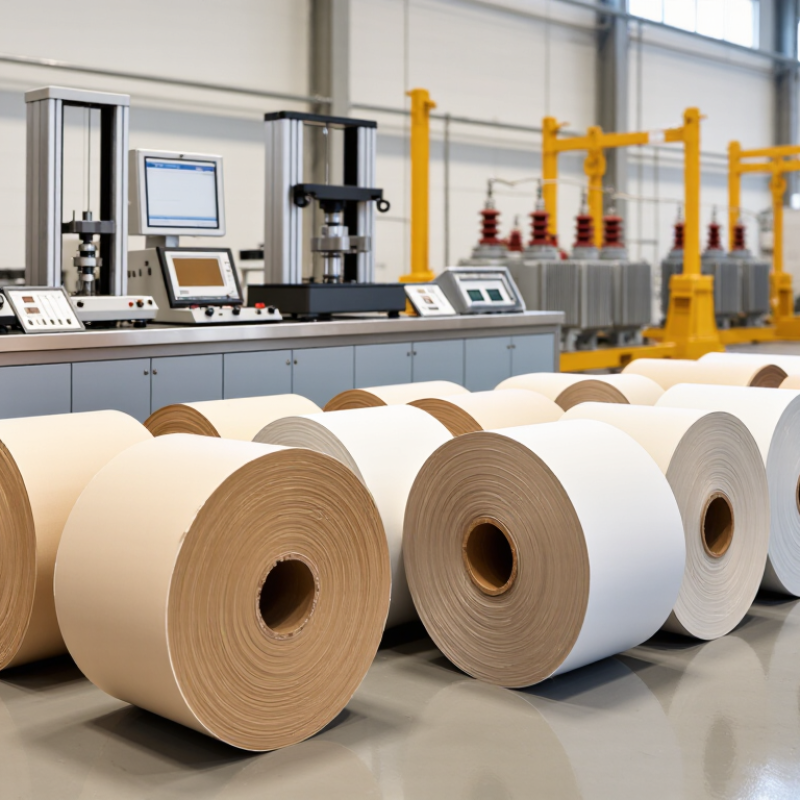
Electrical Insulation Paper: Types, Properties, and Industrial Uses
Electrical insulation paper is made mainly from purified cellulose, but its structure changes how it performs. Dense kraft paper offers consistent dielectric strength and is commonly layered around transformer conductors. Crepe paper has a wrinkled surface that stretches around joints and irregular shapes. Pressboard is thicker and more rigid, helping maintain clearances between energized components. Details matter.
In transformers, paper often works alongside insulating oil, so moisture control and material compatibility are essential. Damp cellulose can lose electrical strength and age faster under heat. In motors and generators, flexible papers separate windings from slots; cable designs use suitable paper layers to limit electrical stress. The right grade depends on voltage, temperature, thickness, mechanical handling, and the complete insulation system. A specification sheet alone cannot show how easily paper wraps around a real conductor. That deserves a trial. Buyers can compare dielectric strength, tensile properties, density, and moisture content, then confirm performance with application-specific testing. Small differences in winding tension or storage conditions can matter more than expected.
Criteria for Evaluating Manufacturers for Global Buyers
When comparing electrical insulation paper manufacturers, start with the paper’s intended use. Transformer windings and motor components can require different thicknesses, density, and thermal performance. Ask for dielectric strength, moisture content, tensile strength, and thickness tolerances, not just a product brochure. Small variations matter. A sheet that looks uniform may still behave differently after processing or prolonged heat exposure.
Request recent test reports and traceability details for production batches. If possible, evaluate samples under your own winding and drying conditions; published figures alone may not reflect your process. Check whether the manufacturer can maintain consistent specifications across repeat orders, and ask how quality issues are investigated. This is where a polished answer may not be enough. Capacity, lead times, protective packaging, and clear export documentation also affect reliability for global buyers. Confirm how paper is sealed against moisture during shipment, especially when routes involve humid ports or long storage periods. Compare responses in writing. Some questions will feel overly cautious, but discovering a mismatch after production starts is worse.
Profiles of 10 Leading Electrical Insulation Paper Manufacturers
The ten manufacturer profiles compare capabilities that matter on a transformer floor: paper thickness, tensile strength, oil absorption, thermal aging, and batch consistency. A buyer should request test methods and recent batch data, not rely on a polished catalogue. Some producers focus on thin winding papers; others emphasize creped or multi-layer grades for demanding insulation designs. Strong profiles also explain fiber sourcing, moisture control, slitting tolerances, and how defects are traced. Details matter.
The International Energy Agency’s 2023 report, Electricity Grids and Secure Energy Transitions, estimates that 80 million kilometres of grids must be added or refurbished by 2040. It says annual grid investment needs to exceed USD 600 billion by 2030. This is broad grid context, not a forecast for insulation paper alone. Still, it helps explain why dependable supply and documented quality deserve scrutiny. Compare each profile against the same questions: Can the mill provide oil-impregnation results? Are thickness tolerances stated clearly? Is technical support available during qualification? A profile may look comprehensive yet omit long-term aging data. That gap should prompt follow-up, not an assumption of poor quality.
Regional Markets and Manufacturer Specializations
Electrical insulation paper suppliers often specialize around local industries, raw materials, and customer requirements. In East Asia, manufacturers commonly serve transformer and motor producers with kraft, crepe, and pressboard grades. Close links with component factories can support short lead times and consistent specifications. Capacity varies, though. European producers often emphasize process control, traceability, and papers for demanding thermal applications. Their technical documentation may help buyers compare moisture content, tensile strength, and dielectric performance.
North American suppliers may focus on utility equipment, replacement parts, and dependable regional delivery. In South Asia, expanding power and manufacturing sectors support demand for a broad range of insulation papers, including customized thicknesses. Regional labels are only a starting point, not a quality ranking. A sample can look suitable yet behave differently after winding or drying. Buyers should request test data, check batch consistency, and confirm how a supplier handles storage and packaging. A few details get missed. Ask how paper is protected from humidity during transit, especially when shipments cross climates.
How Buyers Compare Suppliers, Certifications, and Delivery Capabilities
Electrical insulation paper suppliers should be compared on evidence, not polished catalog descriptions. Ask for recent test reports showing dielectric strength, thickness tolerance, moisture content, and test methods. A certificate matters only when it matches the exact grade and production site being quoted. Check whether the supplier’s quality system is independently certified, such as to ISO 9001, and whether product approvals apply to your intended market. Standards and acceptance requirements vary. Confirm them before ordering.
Request samples from the same grade and thickness you plan to buy. Inspect the roll edges, winding tension, and surface for creases or loose fibers. Small defects can complicate slitting or winding later. Ask how batches are identified and whether test records can be traced to each shipment. Paper samples can look identical. Their performance may not be.
Delivery capability deserves the same scrutiny as technical data. Get written lead times, minimum order quantities, and confirmation of available roll widths and core sizes. Ask how the paper is protected from moisture during storage and transport; sealed wrapping and clear handling instructions are useful details. For a trial order, check whether the supplier can repeat the same specification in a later batch. A low quoted price may not help if dimensions shift or dispatch dates keep moving. No checklist removes every risk, but a few careful questions can reveal weak points early.





