


2026 Best Die Cutting Machine for Global Buyers?

Choosing the 2026 Best Die Cutting Machine for Global Buyers requires more than comparing prices and production speeds. Buyers must examine material compatibility, cutting accuracy, automation, maintenance access, energy use, and local technical support. A machine that performs beautifully in a factory showroom may struggle with humid storage rooms, recycled board, or inconsistent voltage. Real production is less tidy.

Jean-Pascal Bobst, CEO of BOBST, has described the industry’s direction clearly: “The future of packaging is connected, sustainable, and digital.” That observation matters when evaluating modern die-cutting equipment. Today’s strongest machines often combine servo control, inspection cameras, quick-change tooling, remote diagnostics, and data-based production monitoring. Yet advanced software cannot replace trained operators or reliable spare parts.

This guide compares leading options for packaging plants, commercial printers, and converting businesses across different regions. It considers output volume, carton complexity, sheet size, waste control, safety features, and total ownership cost. It also looks beyond impressive specifications. A fast machine may not be the best choice if setup takes too long or service engineers are unavailable.

There is no universal winner.

Global buyers face different labor costs, import conditions, power standards, and customer expectations. Those differences can change the final decision. We will therefore weigh practical factory experience alongside published performance data and manufacturer claims. Some conclusions may remain imperfect, because machine results depend heavily on tooling quality, materials, maintenance, and operator skill. That uncertainty deserves attention, not polished marketing language.
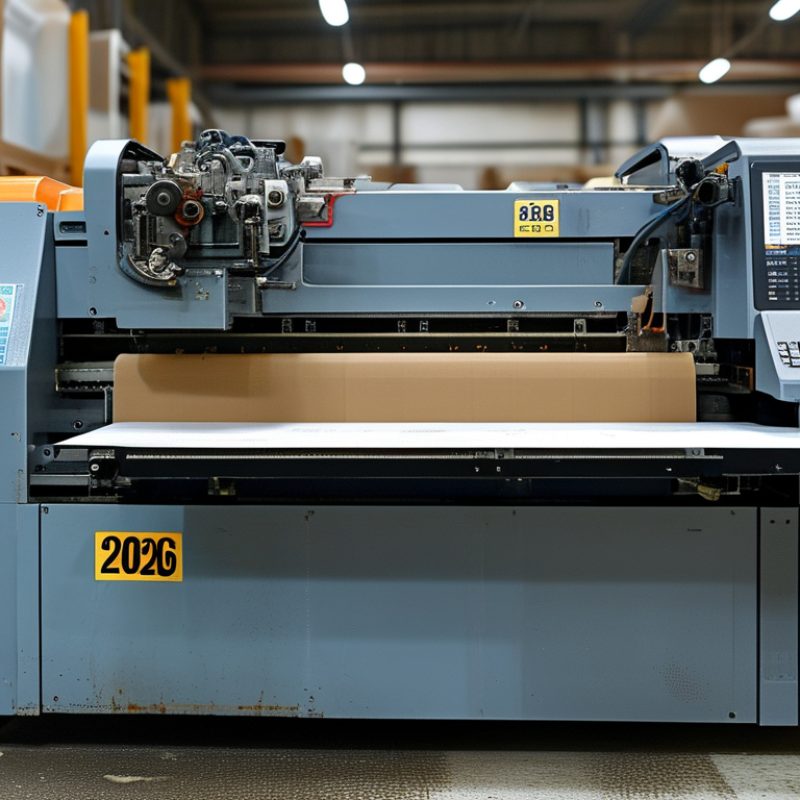
2026 Best Die Cutting Machine for Global Buyers?

What Is a Die Cutting Machine and How Does It Work?

A die cutting machine uses a shaped blade, called a die, to cut or crease sheet material. It applies controlled pressure through a press or rotating cylinder. The die follows a fixed pattern, so each piece keeps a consistent shape.

Think of it as a powerful cookie cutter with engineering controls.

Flatbed machines press the die vertically onto paper, cardboard, foam, or thin plastic.

Rotary machines use a cylindrical die for faster, continuous production. During operation, the material moves into position, the die meets the surface, and waste is removed.

Cutting depth matters. Too much pressure damages the liner or machine bed; too little pressure leaves incomplete edges.

In practical testing, operators usually begin with a small sample. They check the cut edge, crease depth, registration, and waste separation.

Material thickness, hardness, moisture, and grain direction can change the result.

A global buyer should request sample testing and confirm voltage, safety guarding, spare parts, and operator training. These details are easy to overlook.

I once assumed a sharper die always improved output. It did not. Poor alignment caused more defects than blade sharpness. That mistake still influences how I evaluate machines.

Reliable performance depends on setup, maintenance, and realistic production data, not specifications alone.


Keep hands clear. Use approved guards. Never bypass safety controls.

Which Die Cutting Machine Types Suit Different Global Applications?

2026 Best Die Cutting Machine for Global Buyers?

Which Die Cutting Machine Types Suit Different Global Applications?

The best die cutting machine depends on material, order volume, design detail, and available workspace. Manual machines suit craft studios, schools, and short prototype runs. They handle paper, thin card, and soft sheets with simple adjustments. Electronic cutters offer cleaner digital control for labels, stickers, packaging mockups, and small custom orders. Their software compatibility matters, especially when teams use different file formats.

Flatbed die cutters provide stable pressure for thicker board, foam, leather, and layered materials. They suit packaging development and medium-volume production. Rotary die cutters work better for continuous rolls, labels, seals, and repeated shapes. They can deliver high output, but tooling costs and setup time need careful review. Industrial digital systems reduce tooling needs for varied designs. However, their cutting speed may change with material density, humidity, and intricate patterns.

Tips: Test the exact material before purchasing. Record cutting force, edge quality, noise, waste, and setup time. Check voltage requirements, operator training, spare parts, and service response in your region. A compact machine may appear economical, yet limited working width can slow production later. I have seen buyers focus on maximum speed and overlook blade replacement. That choice can become expensive. Also, software is often underestimated. A reliable workflow may matter more than a higher cutting force.

How to Compare Cutting Precision, Materials, Speed, and Automation

2026 Best Die Cutting Machine for Global Buyers?

For global buyers, cutting precision should be tested, not accepted from a brochure. Ask for a sample using your actual artwork and material. Check small letters, 90-degree corners, and repeated circles. A reliable machine should maintain clean edges across a full sheet. Confirm its stated tolerance, calibration method, and registration accuracy. Even a 0.1 mm error can damage packaging layouts.

Material compatibility needs practical comparison. Test coated paper, kraft board, adhesive sheets, thin foam, and other planned substrates. Blade force matters as much as blade sharpness. Too little force leaves uncut fibers; too much creates deep marks on the cutting mat. Operators should record pressure, speed, and blade depth for each material. This takes time, but guessing costs more.

Speed ratings can be misleading. A machine may cut quickly on a straight line but slow down around dense artwork. Compare completed jobs per hour, including loading, alignment, tool changes, and waste removal. Automation can reduce repetitive work through optical registration, automatic feeding, and software presets. Still, automation is not independent judgment. Sensors need cleaning, files need checking, and unusual materials may require manual adjustment. I have found that the fastest machine is not always the most productive one. Test real jobs before choosing.

What Safety, Maintenance, and Compliance Features Should Buyers Check?

For global buyers, a die cutting machine should be judged by safe daily operation, not cutting speed alone. Start with physical protection. Fixed guards should block access to moving blades, rollers, and pressure points. Interlocked doors should stop the machine when opened. Emergency-stop buttons must be easy to reach and clearly marked. Two-hand controls may add protection during manual feeding, where applicable. Overload protection can reduce damage from misaligned materials or excessive pressure.

Small details matter. Check whether operators can see the cutting area before starting a cycle. Ask for risk assessments, wiring diagrams, user manuals, and safety instructions in understandable languages.

Electrical protection should match the destination’s voltage and recognized conformity requirements. A certificate alone is not enough. Buyers should verify its scope, issue date, and connection to the exact machine model.

Maintenance features also affect long-term reliability. Look for guarded lubrication points, simple access panels, replaceable wear parts, fault diagnostics, and clear service intervals. A running-hour counter can support accurate maintenance records. Ask how quickly common parts can be supplied. During inspection, run the machine with typical stock, not only empty cycles. Listen for vibration, uneven pressure, or delayed stopping. Do not guess. Record every test result.

No checklist is perfect. In practice, buyers sometimes focus on documents and overlook cleaning access or operator training. That mistake can create avoidable downtime. A dependable supplier should explain maintenance tasks, provide training records, and support periodic safety checks without hiding limitations.

How to Choose a Reliable Die Cutting Machine Supplier in 2026?

For global buyers, supplier reliability matters more than a low machine price. MarketsandMarkets’ 2024 report estimates the die cutting machines market may grow from about USD 3.1 billion in 2023 to USD 4.6 billion by 2028. Estimates differ across reports. That difference deserves attention. Do not choose on price alone.

A reliable supplier should provide machine trials, material samples, and clear tolerance data. Ask to see cutting results on your actual board, film, label stock, or leather substitute. Check setup time, waste rates, speed under continuous production, and tool-change procedures.

Short tests can mislead. Request a full shift trial when possible. Review installation records from comparable factories, not only polished testimonials.

PMMI’s 2024 packaging trends research highlights automation, labor pressure, and operational efficiency as major purchasing factors. Therefore, evaluate training, remote support, spare-part availability, and preventive-maintenance instructions. Ask how quickly critical parts can ship to your country. Confirm electrical specifications, safety documentation, software support, and conformity records required in the destination market. Smithers’ packaging outlook also places global packaging demand above one trillion US dollars annually, increasing pressure for stable output and lower material waste. A supplier should explain these claims with measured data.

My caution is simple: promised productivity is not proven productivity. Get acceptance criteria in writing, including accuracy, uptime, noise, and response times.

Powder Coat Booths

For those larger-sized parts, or smaller quantity runs, we have 2 independent powder coat booths and ovens. The quality, durability and affordability of today’s powder coating finishes make this the process of choice for world-class companies.

Powder coating advantages over other forms of coating are many. Materials used in the Powder coating process can be metals and non-metals that come in a multitude of thicknesses, textures, colors, etc. Another of Powder coating’s biggest advantages over conventional coatings is its ability to create finishes in many different textures. Powder Coating Booths allow us the ability to apply these advantages to large products.

Wet Paint Line

Tri-State Fabricators runs a full-service conveyor line for painting. Wet painting can provide protection or decoration to many different part styles. From start to finish, every project is easier to undergo random and point-based inspection by our skilled painting team.

Advantages to our Wet Paint Line are these lines start with product prep and ends with a thorough inspection of a high quality finished product. Our ability to complete large and small projects with a superior finish and doing so in a timely and economical fashion. This passes along the savings in production to our customers. When powder coating ins not an option, our Wet Paint Line gets the job done right the first time.

Wet Paint Booths

When the parts get big and heavy we roll-out our custom paint racks and oversize booth. By utilizing our partnerships with all the major paint brands, we can match virtually any color with wet paint.

The advantages of having access to a Wet Paint Booth are many. Large projects of many different shapes can be loaded into the booth. The Wet Paint Booth offers an environment that is much more controlled than a typical parts painting operation.

Not only are they used because of their controlled environment, but they’re are also advantageous when it comes to applying paint to parts that are needed in industries that require specialty coatings such as medical, aerospace, etc.

Military CARC

Our military forces have some very high standards when it comes to the finish of their vehicles and equipment. From the first pre-treatment step to final coat, it takes a great deal of knowledge and experience to protect the men and women of our armed forces. They deserve only the best, and Tri-State Fabricators provides it.

All of our processes are closely monitored by our staff and management teams. Both of which are highly trained in the processes of metal fabrication and finishing. Tri-State Fabricators’ goal is to always fully satisfy each and every customer, including the military. We will always put a 110% into what we do.

Glass-Bead Blasting

Abrasive media blasting is an excellent way to remove old paint, rust, and increase the paint/powder adhesion. Glass beads produce a much smoother and brighter finish than angular abrasives; leaving the part clean yet without any dimensional change. Chemically inert and environmentally friendly, we can recycle our beads approximately 30 times; making them a more preferred method of metal cleaning or surface finishing.

Advantages to Glass Bead Blasting are many. Glass bead blast media is used when a project is needing rough surfaces need to become smooth for applications of coatings such as paint. It is typically used to clean paint and rust from a product surface without deforming the surface it is being used on. Overall, compared to many other blasting media, Glass Bead Blasting is a very economical choice and those savings are always passed on to our customers.

Part Washing

Tri-State Fabricators utilize a zinc phosphate wash to clean and etch the material to ensure the best paint adhesion possible. The unique design of our 3-stage wash system does the work like a 5-stage. From Cleaning and rinsing to conversion coating and post-treatment, Our Part Washing process is a complete service and works throughout the fabrication service and the finishing service.

Along with the previously mentioned benefits, Curing is a vital chemical reaction that leaves the product finish hard and relatively safe from mild abrasion and aggressive corrosion. This process can be done in more than one way; ambient air-dry or in curing ovens at temps that exceed 240°.

Burn-Off Oven

From fixing paint mistakes (someone else’s of course) to simply cleaning our paint line hooks, our burn-off oven is put to good use. After a quick burn-off, a little clean up, and a fresh coat of paint, your parts will look better than new.

Why does our Burn-Off Oven work so well? Because super heating the air around parts turns the materials into ashes. From paint and powder coatings to rubber and machining oils, high temps do the job without degrading the integrity of the part.

Masking

Masking is a vital part of producing high quality products. We have die-cut masking patterns to protect machined surfaces as well as a wide range of plugs and caps to protect threaded holes and bolts. We provide permanent and temporary masking.

Masking allows the selected sections of a product to be protected from a fabrication or finishing service. This can be with both chemicals when etching and tapes, paints when only finishing just a section of the product. Masking is great in aiding the customization process of a project.

Screen Printing

Screen printing is a photographic process that transfers artwork onto a porous nylon screen which allows colored ink to flow through the screen and be deposited on an aluminum or plastic component. We can generally have just about any design created onto a screen for your parts.

Some of the advantages of Screen Printing are, brand recognition for your business displaying on your products, assembly instructions, product warnings/hazards, etc. Tri-State Fabricators produces Screen Printing of the highest quality so you know it’s durable.

Metal Finishing

Metal Finishing is the art of treating the exterior portion of product, often metal but can also be made of other materials, so that the surface is clean and free of any debris. Then the process of applying coats or either paint of powder coat takes place. This coating process improves the quality of the product in both appearance and resistance to wear and corrosion.

Tri-State Fabricators, Inc., understands that a project typically isn’t complete until a high-quality finish has been added to your product. This is why our painting and powder coating teams continuously inspect the products throughout the Metal Finishing process.
