


Choosing the best Die Cutting Machine for global buyers requires more than comparing speed, price, or advertised automation. Packaging demand is expanding across e-commerce, food, pharmaceuticals, and consumer goods. Smithers’ Future of Global Packaging to 2028 report projects the worldwide packaging market will approach US$1.17 trillion by 2028. This growth increases pressure on converters to achieve stable output, lower waste, and faster job changes.
That choice matters. A suitable machine must match the material, format, and production volume. Paperboard cartons may need precise rotary die cutting, while corrugated applications often require stronger feeding systems and larger working areas. Buyers should examine cutting accuracy, maximum sheet size, pressure capacity, tooling compatibility, energy use, and operator safety. PMMI industry research also highlights labor efficiency, digitalization, and machine connectivity as continuing priorities for packaging manufacturers. These trends make automated setup and remote diagnostics increasingly valuable.
However, no universal winner exists. A high-speed model may perform poorly on short runs if tooling changes take too long. A low-cost machine can become expensive when spare parts, training, and service delays are included. I have found that practical trials reveal weaknesses that brochures hide. Ask suppliers to test your actual substrate, thickness, artwork complexity, and batch size. Request documented tolerances and references from comparable factories. Independent research from Smithers and PMMI provides useful market context, but buyers still need factory-level evidence. The best Die Cutting Machine is therefore the one that delivers repeatable quality, compliant operation, accessible technical support, and measurable total-cost value across its working life.
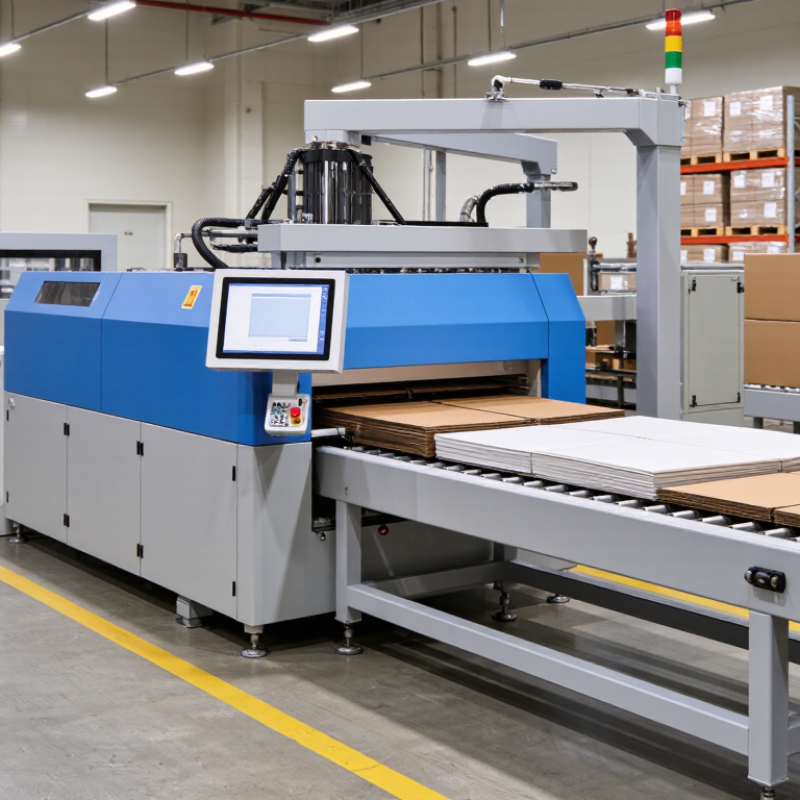
A die cutting machine shapes paperboard, labels, foam, film, or leather with a custom-made die. It works like a precise industrial cookie cutter. A sheet enters the machine, aligns against guides, and meets a cutting plate under controlled pressure. The die may cut, crease, perforate, or emboss the material. Flatbed systems suit short runs and thick materials. Rotary systems support faster, continuous production. The best choice depends on material, order size, accuracy, and available labor.
The process looks simple. It is not always simple. Small alignment errors can damage entire batches. According to Smithers’ 2024 packaging market outlook, global packaging demand exceeds 1 trillion US dollars annually. That scale increases pressure for faster conversion and less waste. Industry reports from MarketsandMarkets also identify automation and digital control as major die-cutting trends. Still, automation cannot correct a poor die design. In production trials, operators should check edge quality, creasing depth, setup time, and scrap percentage. A perfect-looking cut may hide excessive waste.
Tips: Request sample testing before purchase. Test your actual substrate, not a supplier’s standard sheet. Compare hourly output with changeover time. Ask about die availability, training, maintenance, and local technical support. Keep records of pressure settings and rejected pieces. The cheapest machine may become expensive when tooling changes frequently. Evaluate carefully.

Choosing the best die cutting machine depends on production rhythm, material, and order variety. Grand View Research estimates the global die cutting machine market reached about USD 2.2 billion in 2023, with a projected 5.9% CAGR through 2030. That growth reflects wider demand for packaging, labels, and converted materials.
Flatbed die cutters suit cartons, corrugated sheets, and medium-volume work. Their pressure remains stable across thicker substrates. Rotary die cutters serve continuous production, especially labels, flexible packaging, and large orders. They reduce handling time, but tooling costs can be higher. Digital die cutters remove the need for traditional dies. They fit prototypes, short runs, and frequent artwork changes. Laser systems offer clean detail on selected films and paper, although heat-sensitive materials require careful testing.
Small batches matter.
Smithers’ 2024 folding carton outlook identifies ongoing demand for shorter runs, more product versions, and faster packaging changeovers. That trend strengthens the case for digital systems in regional factories. However, choosing only by speed is a common mistake. A slower flatbed machine may deliver better registration on thick board. A rotary unit may waste less material during long runs. Buyers should compare actual samples, tooling lead times, operator skill, energy use, and local service access. Published market data is useful, but it cannot replace a production trial. Even experienced buyers sometimes underestimate setup losses.
Different die cutting technologies serve different production needs. Throughput depends on material, format, tooling, waste removal, and whether the process is sheet-fed or web-fed.
The chart uses representative industry throughput estimates for single-up production. Digital systems are suitable for short runs and variable data, flatbed machines for versatile sheet processing, rotary machines for high-volume web production, and laser systems for flexible, tool-free cutting.
What Is the Best Die Cutting Machine for Global Buyers?
For global buyers, the best die cutting machine is not always the fastest model. It must handle different materials, formats, power systems, and production habits. Smithers’ The Future of Global Packaging to 2028 forecasts the packaging market will approach 1.2 trillion US dollars. This growth increases demand for flexible, reliable converting equipment. However, buyers should examine real output, not brochure speed.
Material flexibility matters most. A suitable machine should process paperboard, labels, corrugated sheets, and selected synthetic materials. Quick changeovers reduce downtime between short production runs. Servo-driven feeding, automatic registration, and waste stripping can improve consistency. Energy monitoring also deserves attention. PMMI industry reports repeatedly identify labor shortages and automation as major packaging challenges. Remote diagnostics may reduce service delays, especially when technicians are far away. Still, automation can become expensive complexity if operators lack training.
Tips: Ask for trial production with your actual material. Request measured waste rates, changeover times, noise levels, and power consumption. Check whether manuals, spare parts, and technical support are available in your region. Confirm compliance with relevant machinery safety standards, such as ISO 12100 and IEC 60204-1. The cheapest machine may appear efficient, but it can age badly. I would also question impressive speed claims. Stable performance often matters more than peak speed.
| Machine Type | Best-Suited Materials | Typical Sheet or Web Format | Typical Production Profile | Cutting Accuracy | Automation Level | Typical Power Requirement | Global-Buyer Advantages | Main Limitations | Best Use Case |
|---|---|---|---|---|---|---|---|---|---|
| Flatbed Die-Cutting Machine | Paperboard, corrugated board, folding cartons, labels, gaskets, foam, rubber, leather, and thin plastics. | Commonly available for sheet widths from approximately 500 mm to more than 1,600 mm, depending on the machine configuration. | Medium to high output for repeat orders; production speed varies according to sheet size, material, tooling, and stripping requirements. | Generally high repeatability when the die, feeding system, and registration controls are properly set. | Semi-automatic to fully automatic, with options such as automatic feeding, stripping, waste removal, and delivery. | Commonly uses three-phase industrial power. Exact voltage and frequency must be matched to the destination country. | Versatile, widely used, suitable for many sheet materials, and easier to adapt to different carton and packaging formats. | Requires physical dies; tooling changes take time and create additional cost for short runs or frequent design changes. | Folding cartons, packaging inserts, commercial print finishing, and regular production with established designs. |
| Rotary Die-Cutting Machine | Self-adhesive labels, flexible films, tapes, foam, nonwoven materials, thin rubber, and other roll-fed substrates. | Roll widths commonly range from narrow-web formats to more than 1,000 mm, depending on the application and line design. | High continuous output and well suited to long roll-to-roll production runs. | Stable registration is possible at high speed when web tension, tooling, and material quality are controlled. | Usually highly automated, with web guiding, tension control, slitting, rewinding, inspection, and waste matrix removal options. | Usually requires industrial electrical service and may also need compressed air, exhaust, or auxiliary equipment. | Efficient for high-volume roll materials and continuous production; it can reduce manual sheet handling. | Less suitable for rigid sheet products and usually requires more specialized setup, tooling, and process knowledge. | Pressure-sensitive labels, tapes, flexible packaging components, medical consumables, and high-volume web converting. |
| Digital Flatbed Cutting Plotter | Paper, cardboard, corrugated board, foam board, textiles, leather, felt, vinyl, and other materials that can be cut by a controlled tool. | Available in small desktop formats and larger beds exceeding 1,600 mm in width for industrial applications. | Best for samples, prototypes, short runs, customized orders, and on-demand production rather than maximum-volume output. | High design flexibility with digitally controlled cutting paths; actual accuracy depends on calibration, material flatness, and tool wear. | Digital workflow with CAD or design-file input; automatic tool changing and camera registration may be available. | Often available in single-phase configurations, while larger industrial systems may require three-phase power. | No physical die is normally required, making it practical for variable data, prototypes, and frequent artwork changes. | Cutting speed and unit cost are generally less competitive than dedicated die systems for very large, repetitive orders. | Prototyping, sample development, custom packaging, short runs, signage, and mixed-order production. |
| Laser Die-Cutting System | Paper, film, labels, thin textiles, wood veneer, foam, and selected plastics that are compatible with laser processing. | Commonly used with sheet or web formats; working areas vary widely from compact systems to large industrial platforms. | Flexible for intricate patterns and variable jobs; throughput depends strongly on material thickness, geometry, and laser power. | Can produce highly detailed digital patterns without a physical cutting die, subject to heat-affected-zone control. | High digital automation potential, including file-based job changes, camera registration, and inline inspection. | Electrical requirements vary by laser power. Proper ventilation, extraction, cooling, and safety interlocks are essential. | Eliminates conventional die tooling for many applications and supports rapid design changes and complex shapes. | Heat can discolor, melt, or mark some materials. Exhaust, safety, maintenance, and operating costs require careful evaluation. | Detailed labels, security features, specialty packaging, prototypes, and products requiring frequent digital pattern changes. |
| Clicker Press | Leather, rubber, EVA foam, felt, fabric, gasket materials, and other relatively soft or flexible sheet materials. | Usually designed for smaller sheets or individual component cutting; effective area depends on press size. | Low to medium output, with productivity influenced by nesting, operator handling, and the number of pieces cut per stroke. | Good repeatability for simple shapes when the cutting board, die, and pressure settings are maintained correctly. | Primarily manual or semi-automatic, with operator placement and material handling often forming part of the cycle. | Many models can operate with relatively modest electrical demand; hydraulic versions may require additional power and maintenance. | Simple operation, comparatively low entry cost, and suitability for workshops or facilities with limited automation infrastructure. | Labor-intensive and slower for large orders; not ideal for complex inline converting or continuous roll production. | Footwear components, leather goods, upholstery parts, seals, craft products, and small-batch flexible-material cutting. |
| High-Speed Automatic Die-Cutter | Folding carton board, paperboard, corrugated materials, and other compatible sheet-fed packaging substrates. | Often available in medium and large sheet formats, with maximum sheet dimensions selected according to the packaging application. | Designed for high-volume, repeatable production with automated feeding, die-cutting, stripping, and delivery. | High consistency is achievable when the sheet feeder, gripper system, die board, and registration controls are correctly maintained. | High automation, often including preset functions, touchscreen controls, automatic pile handling, and waste stripping. | Normally requires three-phase industrial power and may require compressed air and dedicated installation space. | Strong productivity, reduced manual handling, and consistent output for established packaging programs. | Higher purchase price, larger footprint, more complex installation, and less economic value for irregular short-run work. | Large packaging plants, contract converting, and long production runs with stable specifications. |
Global purchasing note: Actual speed, working area, power consumption, accuracy, and material compatibility vary by machine configuration, tooling, substrate, and production conditions. International buyers should confirm voltage and frequency, safety compliance, installation requirements, spare-parts availability, operator training, software language, warranty terms, and after-sales support before placing an order.
The best die cutting machine is not always the cheapest or fastest model. Global buyers should compare total ownership cost, output quality, and supplier reliability together. A practical cost sheet includes tooling, electricity, setup time, material waste, maintenance, training, and delivery. A low quotation can look attractive until one damaged die delays production.
Machine quality should be tested with the buyer’s actual board, film, or label stock. Check cutting accuracy, pressure stability, registration, changeover time, and waste at full speed. Ask for measured samples, not attractive showroom pieces.
The Packaging Machinery Manufacturers Institute identifies labor shortages and automation as major packaging investment pressures in recent industry reports. However, automation cannot repair poor tooling or unstable material feeding. I would not trust my first spreadsheet alone.
Supplier reliability needs evidence. The ISO Survey 2023 recorded 1,265,216 ISO 9001 certificates worldwide, yet certification does not guarantee strong after-sales service. Request service-response targets, spare-parts lists, technician coverage, and customer references from similar markets. UNCTAD reports that over 80% of global merchandise trade moves by sea, so shipping disruption can affect commissioning schedules. Compare delivery terms, inspection procedures, installation support, and warranty exclusions. The World Bank’s Logistics Performance Index 2023 evaluates customs, infrastructure, tracking, and timeliness across 139 economies. These factors deserve a place beside the machine price. Sometimes the “best” supplier still has weak communication. That risk should be written into the purchase decision.
Choosing the best die cutting machine starts before the purchase order. Global buyers should define the material, sheet size, thickness, cutting speed, and daily workload. Paperboard, foam, leather, and adhesive films may need different pressure and tooling. Ask for a sample test using your own material. Request measured results, not only a polished demonstration video. A machine that cuts one sample well may struggle after eight hours. I learned this the hard way. My early checklist ignored operator changeover time.
Check the machine’s maximum force, working area, tolerance, power supply, and air requirements. Confirm that voltage and frequency match your factory. Ask for electrical drawings, manuals, maintenance schedules, and a complete spare-parts list. Safety guards and emergency stops deserve close attention. Confirm packing dimensions, gross weight, insurance, and inland transport costs. Import duties and product classification should be checked with a qualified customs professional. Do not rely on a vague quotation. Small omissions can become expensive delays.
Before payment, verify factory capacity, quality records, references from similar users, and response times. A live remote inspection can reveal assembly and testing conditions. Include acceptance criteria in the contract, covering output, accuracy, noise, tools, training, and installation. Clarify what happens if the test fails. Ask about software compatibility and technical support after delivery. A low price may hide tooling and commissioning costs. I still underestimate downtime risk sometimes. That mistake is expensive. Leave room for a technical review before shipping.


For those larger-sized parts, or smaller quantity runs, we have 2 independent powder coat booths and ovens. The quality, durability and affordability of today’s powder coating finishes make this the process of choice for world-class companies.
Powder coating advantages over other forms of coating are many. Materials used in the Powder coating process can be metals and non-metals that come in a multitude of thicknesses, textures, colors, etc. Another of Powder coating’s biggest advantages over conventional coatings is its ability to create finishes in many different textures. Powder Coating Booths allow us the ability to apply these advantages to large products.
Tri-State Fabricators runs a full-service conveyor line for painting. Wet painting can provide protection or decoration to many different part styles. From start to finish, every project is easier to undergo random and point-based inspection by our skilled painting team.
Advantages to our Wet Paint Line are these lines start with product prep and ends with a thorough inspection of a high quality finished product. Our ability to complete large and small projects with a superior finish and doing so in a timely and economical fashion. This passes along the savings in production to our customers. When powder coating ins not an option, our Wet Paint Line gets the job done right the first time.
When the parts get big and heavy we roll-out our custom paint racks and oversize booth. By utilizing our partnerships with all the major paint brands, we can match virtually any color with wet paint.
The advantages of having access to a Wet Paint Booth are many. Large projects of many different shapes can be loaded into the booth. The Wet Paint Booth offers an environment that is much more controlled than a typical parts painting operation.
Not only are they used because of their controlled environment, but they’re are also advantageous when it comes to applying paint to parts that are needed in industries that require specialty coatings such as medical, aerospace, etc.
Our military forces have some very high standards when it comes to the finish of their vehicles and equipment. From the first pre-treatment step to final coat, it takes a great deal of knowledge and experience to protect the men and women of our armed forces. They deserve only the best, and Tri-State Fabricators provides it.
All of our processes are closely monitored by our staff and management teams. Both of which are highly trained in the processes of metal fabrication and finishing. Tri-State Fabricators’ goal is to always fully satisfy each and every customer, including the military. We will always put a 110% into what we do.
Abrasive media blasting is an excellent way to remove old paint, rust, and increase the paint/powder adhesion. Glass beads produce a much smoother and brighter finish than angular abrasives; leaving the part clean yet without any dimensional change. Chemically inert and environmentally friendly, we can recycle our beads approximately 30 times; making them a more preferred method of metal cleaning or surface finishing.
Advantages to Glass Bead Blasting are many. Glass bead blast media is used when a project is needing rough surfaces need to become smooth for applications of coatings such as paint. It is typically used to clean paint and rust from a product surface without deforming the surface it is being used on. Overall, compared to many other blasting media, Glass Bead Blasting is a very economical choice and those savings are always passed on to our customers.
Tri-State Fabricators utilize a zinc phosphate wash to clean and etch the material to ensure the best paint adhesion possible. The unique design of our 3-stage wash system does the work like a 5-stage. From Cleaning and rinsing to conversion coating and post-treatment, Our Part Washing process is a complete service and works throughout the fabrication service and the finishing service.
Along with the previously mentioned benefits, Curing is a vital chemical reaction that leaves the product finish hard and relatively safe from mild abrasion and aggressive corrosion. This process can be done in more than one way; ambient air-dry or in curing ovens at temps that exceed 240°.
From fixing paint mistakes (someone else’s of course) to simply cleaning our paint line hooks, our burn-off oven is put to good use. After a quick burn-off, a little clean up, and a fresh coat of paint, your parts will look better than new.
Why does our Burn-Off Oven work so well? Because super heating the air around parts turns the materials into ashes. From paint and powder coatings to rubber and machining oils, high temps do the job without degrading the integrity of the part.
Masking is a vital part of producing high quality products. We have die-cut masking patterns to protect machined surfaces as well as a wide range of plugs and caps to protect threaded holes and bolts. We provide permanent and temporary masking.
Masking allows the selected sections of a product to be protected from a fabrication or finishing service. This can be with both chemicals when etching and tapes, paints when only finishing just a section of the product. Masking is great in aiding the customization process of a project.
Screen printing is a photographic process that transfers artwork onto a porous nylon screen which allows colored ink to flow through the screen and be deposited on an aluminum or plastic component. We can generally have just about any design created onto a screen for your parts.
Some of the advantages of Screen Printing are, brand recognition for your business displaying on your products, assembly instructions, product warnings/hazards, etc. Tri-State Fabricators produces Screen Printing of the highest quality so you know it’s durable.
Metal Finishing is the art of treating the exterior portion of product, often metal but can also be made of other materials, so that the surface is clean and free of any debris. Then the process of applying coats or either paint of powder coat takes place. This coating process improves the quality of the product in both appearance and resistance to wear and corrosion.
Tri-State Fabricators, Inc., understands that a project typically isn’t complete until a high-quality finish has been added to your product. This is why our painting and powder coating teams continuously inspect the products throughout the Metal Finishing process.

