Best Cryogenic Liquid Tank Options for Global Buyers?
In the rapidly evolving world of industrial gases, selecting the right Cryogenic Liquid Tank is crucial. These tanks are essential for storing liquefied gases, such as nitrogen and oxygen, at extremely low temperatures. With global demand increasing, buyers face numerous options. Each option comes with distinct features and benefits.
Navigating the choices can be daunting. Many tanks vary significantly in design, material, and capacity. Factors such as insulation efficiency and safety features must be considered. Not every tank is suitable for every application. Buyers need to ask tough questions about quality and reliability.
A trustworthy Cryogenic Liquid Tank must meet international safety standards. This ensures not only performance but also peace of mind. Understanding these aspects can be complex. Buyers might struggle to identify the best fit. However, informed decisions can lead to long-term success. Investing time in research pays off when it comes to safety and efficiency.
Understanding Cryogenic Liquids and Their Applications
Cryogenic liquids play a critical role in various industries. They are used in medical applications, space exploration, and energy production. Cryogenic liquids, like liquid nitrogen and oxygen, exist at extremely low temperatures. Their unique properties make them essential for cooling and transporting substances. Understanding these liquids can help buyers make informed decisions.
The applications of cryogenic liquids are diverse. In healthcare, they are vital for preserving biological samples. In aerospace, they are used to fuel rockets. However, handling cryogenic liquids requires expertise. Improper handling can lead to safety hazards. It's important to ensure proper insulation and storage to prevent accidents. Buyers should consider the specific requirements of their applications when choosing liquid tanks.
While the technology is advancing, challenges remain. Some cryogenic systems can be costly and complex. There may be regional regulations that influence the choice of materials and designs. Understanding these aspects is crucial for effective management. Buyers must also stay updated with best practices in the industry. This ongoing learning can lead to better outcomes and safer operations.
Types of Cryogenic Liquid Tanks Available in the Market
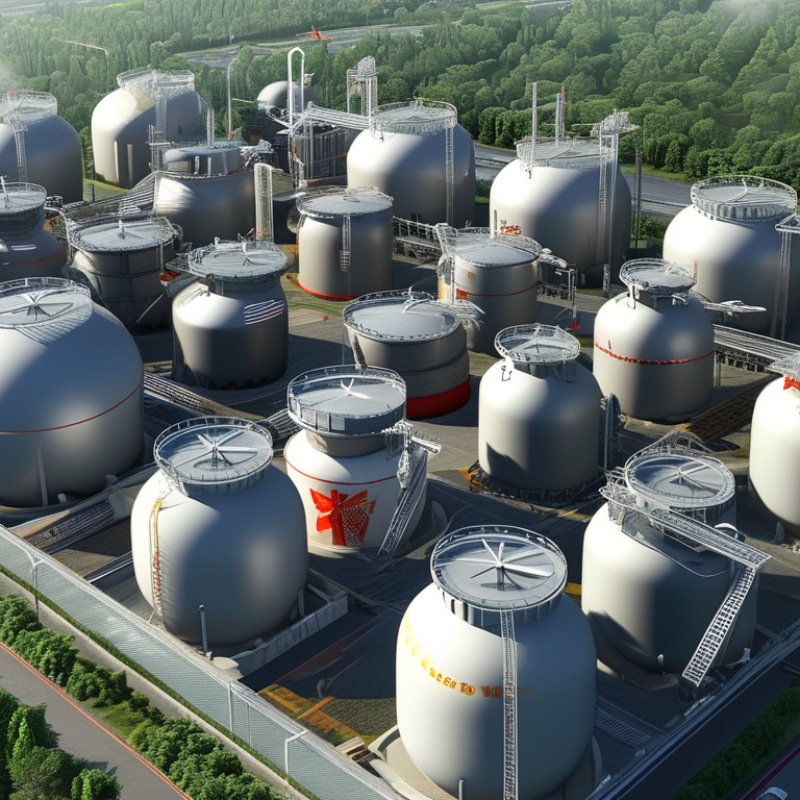
Cryogenic liquid tanks are essential for various industries. Understanding the types available is crucial for making informed decisions. The main types include vertical tanks, horizontal tanks, and mobile tanks.
Vertical tanks are commonly used for large storage capacity. They can hold substantial amounts of liquid nitrogen or helium. According to recent market analysis from the Cryogenic Equipment Report, demand for vertical tanks has increased by 25% over the past five years. This growth is driven by the rise in LNG market applications. Horizontal tanks offer versatility for spaces with limited height. These tanks can be placed outdoors, making them suitable for temporary storage solutions as industries adapt to fluctuating needs.
Mobile cryogenic tanks provide flexibility. Their portability allows transportation between sites as needed. They are increasingly popular in industries like aerospace and medicine. However, they often lack the capacity of stationary tanks. The Refrigeration and Cryogenics Journal highlights this trade-off, noting that mobile tanks typically hold less than half the volume of a standard vertical tank. As industries evolve, the choice of tank type requires careful consideration of both operational needs and safety regulations.
Best Cryogenic Liquid Tank Options for Global Buyers
Key Features to Consider When Selecting a Cryogenic Tank
When selecting a cryogenic liquid tank, several key features must be considered to ensure reliability and safety. The tank's insulation type is crucial. Vacuum insulation provides superior thermal performance, minimizing heat transfer. According to industry reports, a well-insulated tank can reduce boil-off rates by up to 90%. This efficiency is essential for maintaining the integrity of cryogenic liquids, such as LNG or liquid oxygen.
Another critical aspect is the tank's material. Tanks made from stainless steel or aluminum alloys offer excellent strength and durability. The selection of material should align with the temperature and pressure requirements specific to the liquid being stored. In harsh environments, corrosion resistance becomes a priority. Furthermore, regulatory compliance is mandatory. Tanks must adhere to international standards, ensuring safety across different regions.
Additionally, tank capacity and design are vital considerations. Tanks vary widely in size, with options available to accommodate small-scale operations or large industrial needs. The design should facilitate easy maintenance and inspection. Users often overlook the importance of these features, potentially leading to failures. Investing time in evaluating these aspects will result in a more efficient system.
Leading Manufacturers of Cryogenic Tanks for Global Buyers
When exploring cryogenic tank options, global buyers must consider manufacturers with proven expertise. Leading manufacturers focus on safety and efficiency, ensuring that their tanks meet stringent industry standards. These tanks are essential for storage and transportation of liquefied gases. Buyers should prioritize suppliers with a strong track record in engineering and design. Reliability in temperature management is crucial in this field.
In addition to design quality, buyers need to assess the innovation capabilities of manufacturers. Advances in insulation technologies play a vital role in maintaining cryogenic conditions. Collaboration with manufacturers that invest in research can yield better tank performance over time. Potential buyers should critically evaluate how these advancements address the challenges they face, such as gas loss and safety risks.
It’s also important to choose manufacturers who provide comprehensive support services. Technical assistance can ensure that tanks are operated efficiently. Manufacturers committed to customer service can make a significant difference. Careful consideration of these elements helps buyers select the best options for their needs, although the decision-making process can be complex.
Cost Analysis and Maintenance Considerations for Cryogenic Tanks
When exploring cryogenic liquid tanks, understanding the costs involved is essential. Tanks vary widely in price based on capacity and materials. Generally, larger tanks come with a higher initial investment. However, it's crucial to evaluate the long-term costs, including maintenance and energy consumption. A detailed cost analysis helps buyers make informed decisions tailored to their specific needs.
Maintenance considerations also play a vital role in overall cost-effectiveness. Regular inspections are necessary to ensure optimal performance and safety. Cryogenic tanks must withstand extreme temperatures, which can lead to wear over time. Investing in quality maintenance can prevent costly repairs or replacements down the line. It’s also important to train staff on proper use and care. While this may seem like an added expense, it often leads to significant savings by extending the life of the tank.
Understanding the specific application of the cryogenic tank can also affect choices. Different industries have unique requirements. For example, tanks used in medical applications may need more rigorous safety standards compared to industrial ones. Buyers should consider these factors when evaluating options. Balancing initial costs with long-term maintenance can be challenging, requiring careful thought and planning.





