Top Copper Pipe Fittings for Your Plumbing Needs?
When it comes to plumbing, choosing the right materials is crucial. Copper Pipe Fittings are a popular choice for both DIY enthusiasts and professionals. They offer durability and resistance to corrosion, making them ideal for water supply systems.
However, not all copper fittings are created equal. There’s a wide range of options available, each serving different purposes. Some fittings are easier to install, while others may require specific skills or tools. It's important to consider your specific plumbing needs before making a purchase.
While copper fittings have many advantages, they are not without challenges. For instance, soldering them requires practice and precision. Mistakes can lead to leaks, which can be costly. Understanding the pros and cons of each fitting type can help you make informed decisions. So, whether you’re upgrading your home or tackling a plumbing project, selecting the right Copper Pipe Fittings is essential for success.
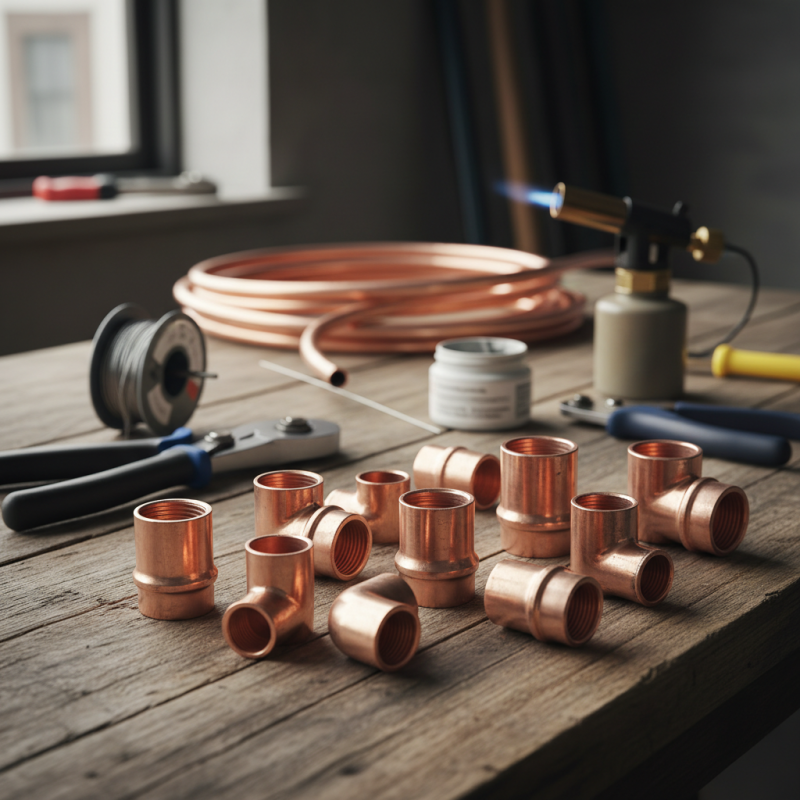
Top Benefits of Using Copper Pipe Fittings in Plumbing Systems
Copper pipe fittings are an essential part of plumbing systems. They offer numerous benefits, making them a go-to choice for many homeowners. One major benefit is their durability. Copper is resistant to corrosion, which means your plumbing will last longer. This resistance ensures that the water supply remains clean and free from contaminants.
Another advantage is the ease of installation. Copper fittings are straightforward to work with. They can be soldered easily, creating a secure connection. This method reduces the chance of leaks. You can also find copper fittings in various sizes and shapes, catering to different plumbing configurations.
Tips: Always handle copper with care. Sharp edges can cause injuries. Use proper safety gear when working on plumbing. Keep fittings stored in a dry place. Moisture can lead to unnecessary corrosion. While there are many benefits, consider the initial cost. Copper can be pricier than other materials. Weigh your options based on your specific plumbing needs.
Comparison of Different Types of Copper Pipe Fittings: Pros and Cons
When choosing copper pipe fittings, a few options stand out. Soldered fittings provide a strong, permanent connection. However, they require specific skills and tools. The process can be time-consuming and challenging for beginners. A small mistake in soldering can lead to leaks.
Compression fittings are easier to install. They do not need special tools, making them ideal for DIY projects. However, they may not be as durable as soldered connections. Over time, the compressive strength can weaken, but they are a reliable choice for most household needs.
Push-fit fittings are the latest innovation in plumbing. They offer a quick and easy installation process. Just push the pipe into the fitting, and it locks in place. Yet, they may have limitations on the types of pipes they can connect with. It’s important to consider your options carefully, as each type has its own unique benefits and drawbacks.
Top Copper Pipe Fittings Comparison
This chart compares different types of copper pipe fittings based on their pros and cons, providing a score reflecting their usability and effectiveness. The higher the score, the better the fitting performs in typical plumbing applications.
Industry Standards for Copper Pipe Fitting Sizes and Specifications
When selecting copper pipe fittings, understanding size and specifications is essential. Industry standards dictate various sizes, mainly based on the nominal pipe size (NPS). Common sizes include ½ inch to 4 inches, fitting the needs of both residential and commercial plumbing systems. Adhering to these standards ensures compatibility within your plumbing infrastructure.
Furthermore, specifications like wall thickness and pressure ratings can affect performance. For instance, fittings must withstand specific pressure levels and temperatures. Using the wrong fitting could lead to leaks or failures. Many installations have failed simply because of oversight in choosing the correct fittings.
Detailed inspection of each component before installation is crucial. While most fittings follow strict guidelines, some manufacturers may not adhere to every standard. If in doubt, consulting plumbing professionals can bring clarity. It’s vital to prioritize reliability in your plumbing projects. Each fitting should be carefully evaluated to maintain system integrity.
Best Practices for Installing Copper Pipe Fittings in Residential Plumbing
Installing copper pipe fittings in residential plumbing can be straightforward if done correctly. Begin by ensuring all surfaces are clean and free of debris. A worn-out or dirty fitting can lead to leaks later.
When you cut copper pipes, use a proper cutting tool. Make sure to deburr the edges; sharp edges can damage seals.
Before soldering, apply flux to both the pipe and the fitting. This helps to ensure a strong bond and promotes better flow of solder. Heat the joint evenly with a torch, but be cautious to avoid overheating. It can turn the joint brittle, leading to future failures.
After soldering, let the fitting cool naturally. Quick cooling can cause stress and weaken the connection. Inspect all joints after cooling for any signs of leaks or imperfections. A little patience during installation can save significant woes later on.
Keep in mind that practice makes perfect. If you're new to this, consider practicing on scrap pieces first.
Cost Analysis: Copper vs. Alternative Materials for Pipe Fittings
When choosing pipe fittings, the material impacts overall cost and performance. Copper fittings are known for durability and resistance to corrosion. However, their price can be steep. A recent industry report indicated that copper materials can cost up to 50% more than alternatives like PVC or PEX. This difference is significant when outfitting an entire plumbing system.
Consider the lifespan of materials in your cost evaluation. Copper fittings can last over 50 years, while PVC usually serves for around 25 years. The initial investment in copper might save costs in replacements later. Even so, a homeowner must assess if the longevity aligns with their budget.
Tip: Evaluate your long-term plumbing needs before making a choice. Assess factors like local water quality and temperature fluctuations. Understanding these details can prevent costly mistakes.
Many homeowners opt for cheaper materials upfront, only to face higher long-term costs. Installation errors with alternative materials can lead to failures sooner than expected. Learning more about material properties helps in making informed choices. Conduct research and consult professionals for the best advice.





