Best Commercial Condensing Unit for Efficient Refrigeration?
In the quest for energy efficiency in commercial refrigeration, the choice of a Commercial Condensing Unit is crucial. Renowned refrigeration expert Dr. Emily Carter emphasizes this, stating, “Selecting the right condensing unit can significantly reduce energy costs and environmental impact.” As businesses strive for sustainability, understanding these systems becomes paramount.
The Commercial Condensing Unit plays a vital role in efficient refrigeration. Its design directly impacts energy consumption and operational efficiency. Many available options boast advanced technology, yet not all units meet specific business needs. Companies must carefully consider factors like capacity, energy ratings, and noise levels.
While many claim to offer efficiency, not every unit lives up to expectations. Frequent maintenance or energy spikes can lead to frustration. Experts suggest conducting thorough research and seeking professional advice. Real-world evaluations often reveal that decision-making in this area can be more complex than it seems, highlighting the need for careful consideration in choosing the best Commercial Condensing Unit.
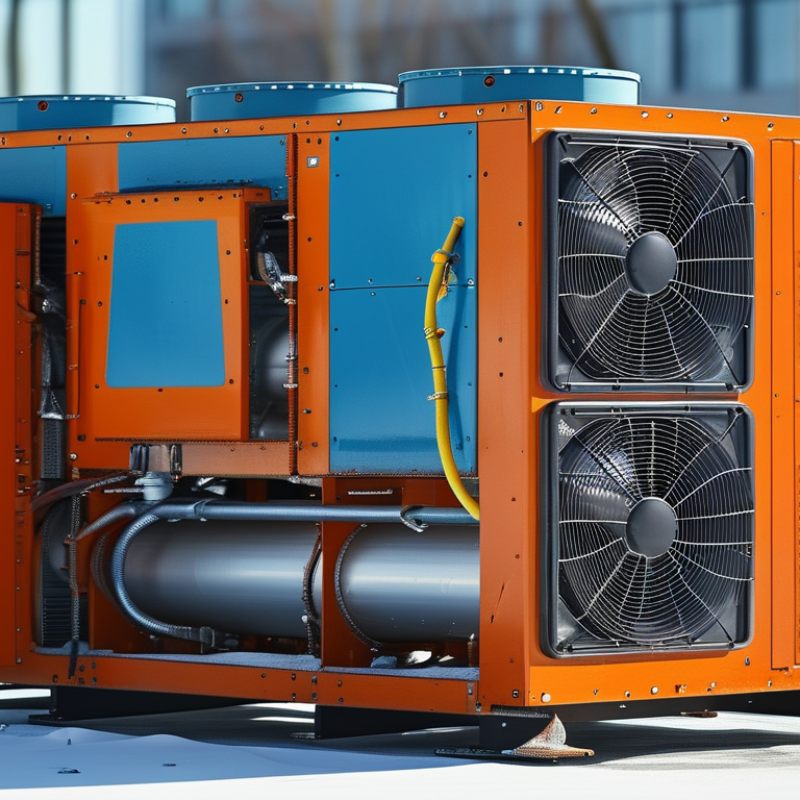
Key Features of Commercial Condensing Units for Refrigeration
When selecting a commercial condensing unit for efficient refrigeration, understanding key features is essential. One primary aspect is energy efficiency. Units designed with high-efficiency compressors consume less power and help reduce operational costs. Look for models with advanced inverter technology. These can adjust compressor speed based on cooling demand, minimizing energy waste.
Durability is another crucial feature. A reliable condensing unit should withstand varied environmental conditions. Corrosion-resistant materials enhance longevity. Furthermore, consider noise levels, especially in customer-facing areas. Units designed with sound-dampening technology can significantly improve the ambiance.
Maintenance ease is often overlooked but vital. Units with accessible components simplify routine checks and repairs. Regular maintenance prolongs equipment life and ensures optimal performance. The design should allow for easy cleaning of coils and filters, which directly affects efficiency. Reflect on these features during your search, as they play a significant role in the unit's overall reliability and efficiency.
Best Commercial Condensing Unit for Efficient Refrigeration? - Key Features of Commercial Condensing Units for Refrigeration
| Feature | Description | Efficiency Rating | Cooling Capacity (BTU/h) | Refrigerant Type |
| Compressor Type | Scroll compressor - known for reliability and efficiency. | A++ | 10,000 | R-410A |
| Energy Efficiency | Designed to minimize energy consumption, reducing operating costs. | A+ | 20,000 | R-404A |
| Noise Level | Ultra-quiet operation for minimal disruption in commercial environments. | A | 15,000 | R-134A |
| Durability | Built with high-quality materials to withstand heavy use. | A+ | 25,000 | R-448A |
| Control Systems | Advanced electronic controls for precise temperature management. | A++ | 30,000 | R-507 |
Types of Refrigerants Used in Efficient Commercial Condensing Units
When selecting a commercial condensing unit, refrigerants play a crucial role. Various types of refrigerants are used in these systems, each with unique properties that affect efficiency and environmental impact. Common refrigerants include R-410A, R-134A, and R-404A. Each option has its strengths and drawbacks. For instance, R-410A is known for its energy efficiency, but it also has a higher global warming potential.
The choice of refrigerant affects not only performance but also compliance with environmental regulations. As the industry shifts towards more eco-friendly alternatives, natural refrigerants like ammonia and CO2 are gaining traction. These options often come with efficiency perks. However, they may require specialized equipment and training for safe handling. This can add complexity to installation and maintenance.
It's essential to understand the specific needs of your refrigeration system. While some refrigerants may promise higher energy efficiency, cheaper options can lead to long-term costs due to poor performance. The ideal choice should balance efficiency, performance, and environmental responsibility, all while being mindful of budget constraints. This balance is not always straightforward, as advancements in technology and changing regulations continuously reshape the landscape.
Best Commercial Condensing Unit for Efficient Refrigeration
Energy Efficiency Ratings and Standards for Condensing Units
Energy efficiency is crucial in selecting a commercial condensing unit. Understanding energy efficiency ratings helps businesses lower operational costs. Various standards exist, including SEER (Seasonal Energy Efficiency Ratio) and EER (Energy Efficiency Ratio). Higher ratings indicate better performance and lower energy consumption.
Performance also depends on system design and installation quality. Proper sizing of the unit matters. An oversized unit may cycle on and off frequently. This can lead to energy waste. On the other hand, an undersized unit struggles to maintain temperature. Both scenarios lead to inefficiency and increased costs.
Regular maintenance is necessary for long-term efficiency. Dirty coils and filters can affect performance. Ignoring these aspects might result in poor operation and higher bills. It’s essential to track your energy usage. Monitoring can reveal performance issues early. Adjustments based on this data can improve the unit’s efficiency significantly.
Maintenance Tips for Longevity and Optimal Efficiency
To ensure the longevity and efficiency of your commercial condensing unit, regular maintenance is key. Start by cleaning the coils. Dust and debris can accumulate, reducing efficiency. Use a soft brush or a vacuum to gently remove buildup. This simple task can go a long way in maintaining optimal performance.
Checking refrigerant levels is another critical step. Low refrigerant not only impacts cooling efficiency but can also cause system strain. Monitor pressures and ensure everything is within manufacturer specifications. Addressing leaks or issues promptly can prevent costly repairs down the line.
Finally, don't overlook the importance of routine inspections. Visual checks on electrical connections and fan operation can reveal potential problems early. Sometimes, something as small as a loose wire can cause larger issues. Make a schedule and stick to it. This proactive approach aids in recognizing patterns that may require deeper investigation.
Comparative Analysis of Top Commercial Condensing Unit Brands
When choosing a commercial condensing unit, efficiency and performance are crucial. Several brands stand out in the market, particularly for their innovative technology and reliable service. Each brand has unique features that cater to different needs. Some prioritize energy conservation, while others focus on cooling capacity.
One leading feature to compare is the energy efficiency ratio (EER). This value indicates how much cooling a unit provides per unit of energy consumed. High EER values are desirable, but many units struggle to maintain efficiency under varying loads. Another factor to evaluate is noise level, especially for units placed in customer-facing locations. Noise can detract from the overall customer experience.
Installation and maintenance requirements also differ among brands. Some systems are intuitive and require minimal intervention. Others may need regular professional servicing, which can add to operating costs. It's essential to weigh these aspects against upfront investment. In the quest for the best, customers must consider their specific needs, local climate, and long-term goals. Each choice carries both advantages and potential drawbacks, prompting the need for careful reflection.





