


What Is the Best Coffee Color Sorter Machine in 2026?

Choosing the best Coffee Color Sorter Machine in 2026 is not just about picking the model with the fastest advertised speed. Coffee processors need equipment that can identify defects reliably, handle their expected volume, and fit the realities of their production line. A machine sorting green beans may face different demands from one handling roasted coffee. Bean size, color variation, dust, lighting, and feed consistency can all affect results.

This guide explains the practical criteria behind a sound comparison. Look closely at sorting accuracy, processing capacity, camera and sensor specifications, ejection performance, and the range of defects the system can detect. Ask how results change when beans are unevenly fed or ambient conditions shift. Small details matter: a clear rejection tray, accessible inspection points, and responsive technical support can save time during a busy shift. Very useful.

Specifications deserve careful reading. Throughput figures may depend on bean type, defect settings, and acceptable rejection rates, so request a demonstration using representative samples where possible. A glossy touchscreen is helpful, but it cannot compensate for poor calibration or inconsistent feeding. No machine is perfect. Even experienced buyers can overvalue a headline number and overlook cleaning time, operator training, or future service costs. The best choice is the one whose documented performance matches your coffee, workflow, and budget—not simply the one with the boldest claims. Comparing these factors can help buyers make a more informed decision in 2026, while recognizing that final results depend on installation, setup, and ongoing maintenance.
What Is the Best Coffee Color Sorter Machine in 2026?

What a Coffee Color Sorter Machine Does

What Is the Best Coffee Color Sorter Machine in 2026?

What a Coffee Color Sorter Machine Does

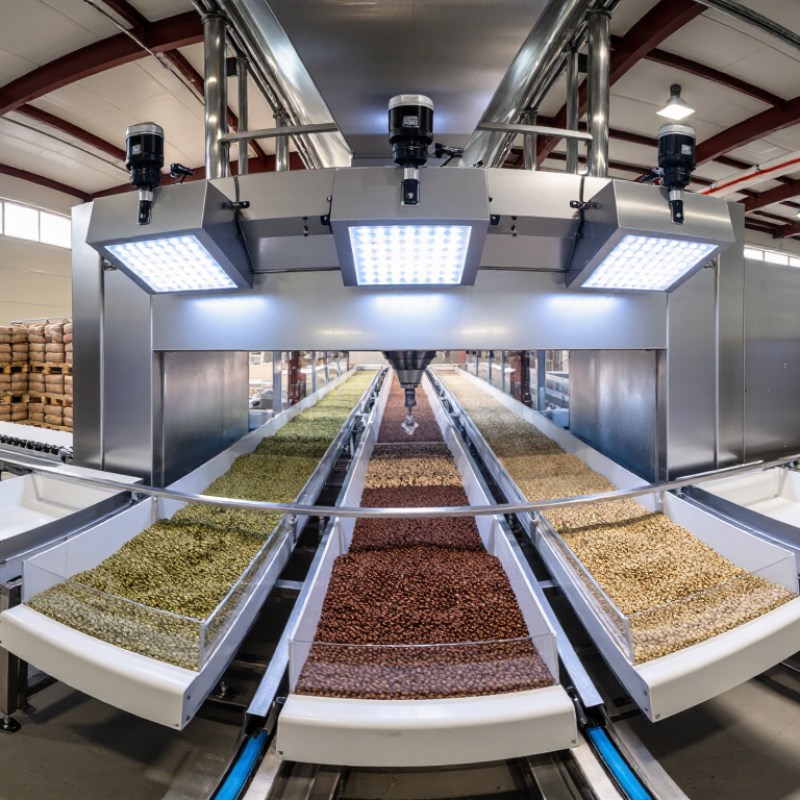
A coffee color sorter inspects beans as they move quickly along a chute or conveyor. Cameras and optical sensors detect differences in color, shape, or other visible features. When a bean appears defective, a timed air jet can push it into a separate collection bin. The goal is a more consistent batch, not a flawless one.

For example, a sorter may help separate beans with dark discoloration from sound beans. It can also identify some unwanted material, depending on the machine’s sensors and setup. Operators usually adjust sensitivity and test sample batches before full production. A setting that is too strict may reject usable beans. Too loose, and some defects may pass through. Small adjustments matter.

A sorter works best as one part of quality control. It does not assess flavor, aroma, or every hidden defect. Dust, changing light, and uneven bean flow can affect inspection, so regular cleaning and checks are important. No machine is perfect. Reviewing rejected beans by hand can reveal whether settings need adjustment and whether the sorter is removing too much good coffee.

What Is the Best Coffee Color Sorter Machine in 2026? - What a Coffee Color Sorter Machine Does
Dimension What the Machine Does What to Look For Practical Limitation
Feed and presentation Moves coffee beans into a controlled, single-layer stream so the inspection system can view individual beans. Consistent feeding and adjustable settings for the bean size and product being sorted. Uneven feeding or overlapping beans can reduce sorting accuracy.
Optical inspection Uses cameras and controlled lighting to inspect visible color differences; some systems also assess shape or other optical characteristics. Clear detection of the defects relevant to the intended product, with settings that can be tested on representative samples. Performance depends on lighting, product presentation, software settings, and the contrast between acceptable and defective beans.
Defect identification Can be configured to detect visible defects such as discolored, immature, insect-damaged, or broken beans, as well as certain contrasting foreign materials. Confirm that the machine can distinguish the specific defects found in the coffee lot. Defects hidden inside a bean or not distinguishable by the installed sensors may not be detected.
Rejection mechanism Typically uses timed air jets to divert selected beans from the accepted product stream into a reject outlet. Reliable ejection timing, adjustable reject settings, and accessible reject collection. Air pressure and timing need to match the bean flow; incorrect settings can eject acceptable beans or miss defects.
Green coffee use Sorts unroasted beans to remove visible color defects and selected foreign materials before further processing. Test with the actual green coffee variety, moisture condition, and defect profile. Different lots can require different settings; one recipe may not suit every origin or grade.
Roasted coffee use Can separate visibly unevenly roasted or otherwise discolored beans when the machine is designed and configured for roasted coffee. Verify performance on roasted beans, since their color range and surface appearance differ from green coffee. Roasting level, surface oils, and bean variation can affect optical contrast and feeding behavior.
Capacity and accuracy Processes a continuous stream, with output and sorting results affected by the machine configuration and operating conditions. Compare measured throughput, accepted-product quality, and good-bean rejection using the same test lot and agreed settings. There is no single capacity or accuracy figure that applies to every coffee type and defect mix.
Best-fit selection Matches the inspection and ejection system to the coffee product, target defects, required output, and available production space. Prioritize a sample trial, repeatable results, cleaning access, adjustment range, and support for the intended application. The “best” machine depends on the buyer’s product and quality targets rather than a universal model ranking.

Selection note: Ask for a trial using representative coffee samples. Compare the defect-removal result and the amount of acceptable coffee rejected under the same operating conditions.


How Coffee Color Sorting Technology Works

Coffee color sorting uses controlled lighting, cameras, and fast air jets. Beans travel in a thin stream along a vibrating chute. As each bean passes the camera, the system compares its color and shape with selected quality thresholds. A detected defect triggers a brief puff of air, sending the bean into a separate outlet. Timing matters.

Good calibration is essential. Green beans, roasted beans, and different origins can show very different color ranges. Operators often adjust sensitivity after checking a sample under consistent light. Too strict, and sound beans may be rejected. Too loose, and pale, dark, or damaged beans can pass through. Small test batches help reveal the trade-off.

Color is only one clue. A sorter may identify visible discoloration, foreign material, or uneven roasting, but it cannot reliably judge flavor or internal defects by appearance alone. Dust on lenses, changing bean flow, and mixed sizes can also affect results. In practice, regular cleaning and manual sample checks remain useful. Not perfect. When comparing machines in 2026, buyers should test detection accuracy, throughput, reject handling, and adjustment ease using their own coffee samples. A polished specification sheet is not enough. Test it.

Key Criteria for Comparing Coffee Color Sorters in 2026

What Is the Best Coffee Color Sorter Machine in 2026?

Key Criteria for Comparing Coffee Color Sorters in 2026

The best coffee color sorter depends on the defects you need to remove and your daily processing volume. Compare sorting accuracy using coffee samples that reflect your actual crop, including pale beans, dark spots, and broken pieces. Ask how the machine handles uneven lighting and whether settings can be adjusted for different batches. A high throughput figure may look impressive, but it means little if quality drops at your normal operating speed. Check cleaning access, spare-part availability, and operator training requirements, too. These details affect real-world performance.

Tips: Test a representative batch before deciding. Record the accepted-bean rate and rejected-bean rate. Small details matter. Ask whether results stay consistent after the machine warms up.

Also compare the interface and maintenance routine. Operators should be able to understand alerts and change settings without guesswork. Request clear guidance on calibration and routine checks. If possible, observe a trial with your own beans rather than relying only on demonstration samples. Results can vary. I would not treat one test as conclusive; bean moisture, lighting, and feed consistency can all influence sorting. A careful comparison should weigh product quality, operating costs, service support, and the conditions in your facility.

Common Coffee Sorter Types and Their Best-Fit Uses

Coffee sorters suit different defects and production scales. Chute-fed RGB optical sorters inspect beans as they fall past cameras and air jets. They are practical for removing visible discoloration, insect damage, and foreign material from steady, high-volume lines. Belt sorters spread beans into a thinner layer, which can help when beans overlap or require closer inspection. Compact batch machines fit small roasteries and sample lots, though their throughput is limited.

Near-infrared or multispectral systems can detect differences beyond visible color, but they cost more and may require careful calibration. They are best considered when a processor needs to separate specific defects that ordinary cameras miss. The International Coffee Organization’s Coffee Report and Outlook estimated 2023/24 world production at about 178 million 60-kilogram bags. That scale helps explain why large plants prioritize throughput, while smaller operations may value flexibility more. The figure does not determine the right machine; defect targets and trial results matter more. No sorter replaces good incoming-bean control.

Tips: Test representative lots before buying. Ask for measured removal accuracy, false-reject rates, and throughput using your own beans. Check whether operators can adjust settings easily. A technically advanced machine can still disappoint when calibration is rushed. Reluctantly, there is no universal winner.

What Is the Best Coffee Color Sorter Machine in 2026?

Common coffee sorter types and their best-fit uses

Chute-fed RGB color sorters are a common fit for high-volume bean sorting. Belt-fed systems provide a stable view of each bean, while NIR-assisted and AI-enabled optical systems can help target material or defect differences beyond simple visible color. Scores are qualitative guidance, not standardized performance measurements; results depend on the beans, defects, and machine setup.

How to Choose the Right Coffee Color Sorter for Your Operation

Choosing the right coffee color sorter starts with the defects you need to remove. Green beans may contain pale, dark, insect-damaged, or discolored pieces. Roasted coffee presents different color and surface challenges. Define your target before comparing machine specifications. Small details matter.

Match the sorter’s rated capacity to your actual line, not just its peak figure. Ask how lighting, camera resolution, and ejection timing perform at your bean size and belt speed. A useful demonstration should use a representative sample from your own operation, including ordinary variation between batches. Run a trial. Review both the rejected material and the beans that pass through; excessive good-bean loss can quietly reduce yield.

Consider cleaning access, operator training, spare-part availability, and service response alongside sorting accuracy. Dust buildup or inconsistent feeding can affect results, even with capable imaging hardware. Check whether settings can be adjusted for different lots, and ask how performance is verified after maintenance. A few minutes of testing may not reflect a full shift, so request longer-run data when possible. No single specification tells the whole story, and it is easy to overvalue speed before checking recovery and consistency.

Powder Coat Booths

For those larger-sized parts, or smaller quantity runs, we have 2 independent powder coat booths and ovens. The quality, durability and affordability of today’s powder coating finishes make this the process of choice for world-class companies.

Powder coating advantages over other forms of coating are many. Materials used in the Powder coating process can be metals and non-metals that come in a multitude of thicknesses, textures, colors, etc. Another of Powder coating’s biggest advantages over conventional coatings is its ability to create finishes in many different textures. Powder Coating Booths allow us the ability to apply these advantages to large products.

Wet Paint Line

Tri-State Fabricators runs a full-service conveyor line for painting. Wet painting can provide protection or decoration to many different part styles. From start to finish, every project is easier to undergo random and point-based inspection by our skilled painting team.

Advantages to our Wet Paint Line are these lines start with product prep and ends with a thorough inspection of a high quality finished product. Our ability to complete large and small projects with a superior finish and doing so in a timely and economical fashion. This passes along the savings in production to our customers. When powder coating ins not an option, our Wet Paint Line gets the job done right the first time.

Wet Paint Booths

When the parts get big and heavy we roll-out our custom paint racks and oversize booth. By utilizing our partnerships with all the major paint brands, we can match virtually any color with wet paint.

The advantages of having access to a Wet Paint Booth are many. Large projects of many different shapes can be loaded into the booth. The Wet Paint Booth offers an environment that is much more controlled than a typical parts painting operation.

Not only are they used because of their controlled environment, but they’re are also advantageous when it comes to applying paint to parts that are needed in industries that require specialty coatings such as medical, aerospace, etc.

Military CARC

Our military forces have some very high standards when it comes to the finish of their vehicles and equipment. From the first pre-treatment step to final coat, it takes a great deal of knowledge and experience to protect the men and women of our armed forces. They deserve only the best, and Tri-State Fabricators provides it.

All of our processes are closely monitored by our staff and management teams. Both of which are highly trained in the processes of metal fabrication and finishing. Tri-State Fabricators’ goal is to always fully satisfy each and every customer, including the military. We will always put a 110% into what we do.

Glass-Bead Blasting

Abrasive media blasting is an excellent way to remove old paint, rust, and increase the paint/powder adhesion. Glass beads produce a much smoother and brighter finish than angular abrasives; leaving the part clean yet without any dimensional change. Chemically inert and environmentally friendly, we can recycle our beads approximately 30 times; making them a more preferred method of metal cleaning or surface finishing.

Advantages to Glass Bead Blasting are many. Glass bead blast media is used when a project is needing rough surfaces need to become smooth for applications of coatings such as paint. It is typically used to clean paint and rust from a product surface without deforming the surface it is being used on. Overall, compared to many other blasting media, Glass Bead Blasting is a very economical choice and those savings are always passed on to our customers.

Part Washing

Tri-State Fabricators utilize a zinc phosphate wash to clean and etch the material to ensure the best paint adhesion possible. The unique design of our 3-stage wash system does the work like a 5-stage. From Cleaning and rinsing to conversion coating and post-treatment, Our Part Washing process is a complete service and works throughout the fabrication service and the finishing service.

Along with the previously mentioned benefits, Curing is a vital chemical reaction that leaves the product finish hard and relatively safe from mild abrasion and aggressive corrosion. This process can be done in more than one way; ambient air-dry or in curing ovens at temps that exceed 240°.

Burn-Off Oven

From fixing paint mistakes (someone else’s of course) to simply cleaning our paint line hooks, our burn-off oven is put to good use. After a quick burn-off, a little clean up, and a fresh coat of paint, your parts will look better than new.

Why does our Burn-Off Oven work so well? Because super heating the air around parts turns the materials into ashes. From paint and powder coatings to rubber and machining oils, high temps do the job without degrading the integrity of the part.

Masking

Masking is a vital part of producing high quality products. We have die-cut masking patterns to protect machined surfaces as well as a wide range of plugs and caps to protect threaded holes and bolts. We provide permanent and temporary masking.

Masking allows the selected sections of a product to be protected from a fabrication or finishing service. This can be with both chemicals when etching and tapes, paints when only finishing just a section of the product. Masking is great in aiding the customization process of a project.

Screen Printing

Screen printing is a photographic process that transfers artwork onto a porous nylon screen which allows colored ink to flow through the screen and be deposited on an aluminum or plastic component. We can generally have just about any design created onto a screen for your parts.

Some of the advantages of Screen Printing are, brand recognition for your business displaying on your products, assembly instructions, product warnings/hazards, etc. Tri-State Fabricators produces Screen Printing of the highest quality so you know it’s durable.

Metal Finishing

Metal Finishing is the art of treating the exterior portion of product, often metal but can also be made of other materials, so that the surface is clean and free of any debris. Then the process of applying coats or either paint of powder coat takes place. This coating process improves the quality of the product in both appearance and resistance to wear and corrosion.

Tri-State Fabricators, Inc., understands that a project typically isn’t complete until a high-quality finish has been added to your product. This is why our painting and powder coating teams continuously inspect the products throughout the Metal Finishing process.
