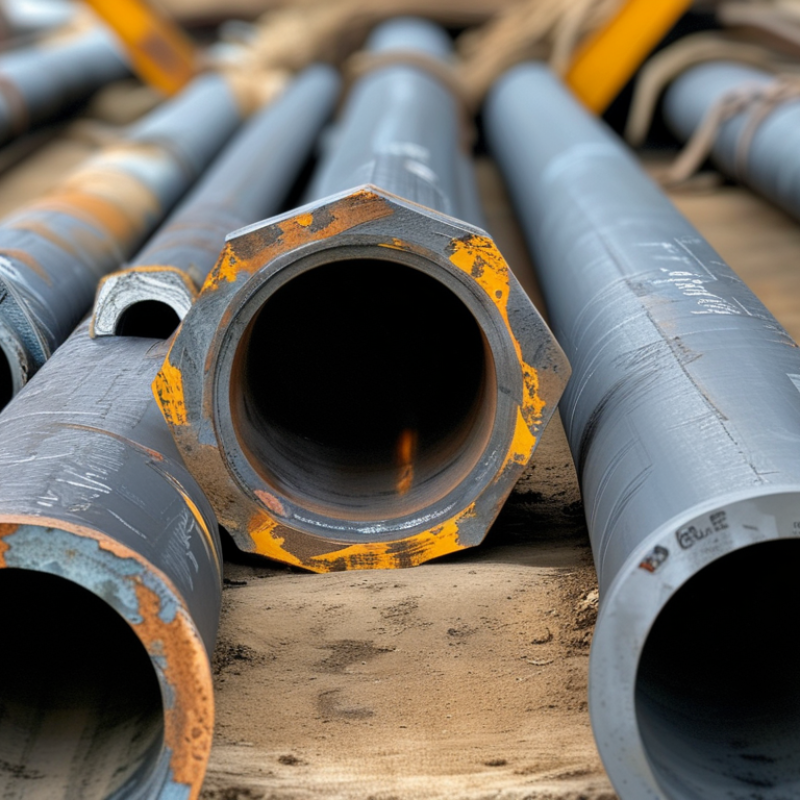
What is the Best Carbon Steel Pipe for Your Project?
Choosing the right Carbon Steel Pipe for your project can be a daunting task. John Smith, a leading expert in metallurgy, states, "Selecting the proper pipe material is critical for long-term performance." His insight highlights the importance of understanding project requirements and environmental conditions.
Carbon Steel Pipe is widely renowned for its strength and durability. Engineers and builders often opt for it due to its ability to withstand high pressure. Yet, not all carbon steel pipes are created equal. Factors such as wall thickness, grade, and coatings can all affect performance.
Many projects fall short due to inadequate material choice. In some cases, the specific requirements are overlooked, leading to failures or replacements. Choosing the best Carbon Steel Pipe demands careful consideration and an informed approach. It's essential to balance cost with quality for optimum results.
Understanding Carbon Steel Pipe Types and Grades
When selecting the right carbon steel pipe for your project, understanding the types and grades is crucial. Carbon steel pipes are categorized based on their carbon content and manufacturing methods. Common types include seamless, welded, and forged pipes. Each type has its suitable applications. Seamless pipes are often used in high-pressure environments, while welded pipes are ideal for lower-stress areas.
The grades of carbon steel pipes, such as ASTM A53 or A106, denote different mechanical properties and chemical compositions. Higher grades usually indicate greater strength and durability. However, not all projects require the highest grade. It’s essential to assess the specific needs, such as pressure ratings and environmental conditions.
One common oversight is underestimating the impact of corrosion resistance. Many projects overlook the necessity for protective coatings or treatments. Understanding the operating environment can enhance the longevity of the pipeline. Despite expert advice, mistakes in choosing the right type or grade can happen. This underscores the importance of thorough research and consultation with knowledgeable professionals in the field.
Key Factors to Consider When Choosing Carbon Steel Pipes
When selecting carbon steel pipes for your project, several key factors come into play. The first consideration is the pipe's grade and specification. Common grades include ASTM A53 and ASTM A106. Understanding the specific mechanical properties and applications of each grade is critical. According to ASTM International, A53 pipes are suitable for structural purposes, while A106 offers better performance in high-temperature applications.
Another important aspect is the pipe's diameter and wall thickness. These dimensions significantly affect flow rates and structural integrity. A report by the American Society of Mechanical Engineers highlights that larger diameters can support higher capacities but may require thicker walls to maintain strength. This could influence your materials budget.
Material chemistry also matters. A balanced carbon content will enhance strength while maintaining ductility. High carbon levels may offer more durability but could decrease weldability. Research shows that an optimum carbon content of around 0.3% often achieves a good compromise.
A practical approach involves considering the project’s long-term use. Are you installing pipes in a corrosive environment? If so, additional protective coatings might be necessary. Evaluating the specific environmental challenges can prevent costly repairs down the line. Each choice you make hinges on careful consideration of project demands and environmental factors.
Comparative Analysis of Carbon Steel vs. Other Pipe Materials
When choosing pipe materials for industrial projects, carbon steel often comes up in discussions. It stands out for durability and strength. Carbon steel pipes can handle high temperatures and pressures, making them suitable for various applications. They are cost-effective and easy to weld, which is a considerable advantage for construction.
However, comparing carbon steel with other materials highlights some downsides. For example, while carbon steel resists pressure well, it is prone to corrosion. This limitation makes it less ideal for environments with moisture or chemicals. In contrast, stainless steel offers superior corrosion resistance but at a higher price point. Additionally, materials like PVC are lighter and easier to install but generally lack the strength of carbon steel.
These factors demand careful consideration during selection. A project’s specific needs often dictate the final choice. Carbon steel may be optimal for structural integrity, while alternatives might excel in corrosive settings. It’s essential to assess the project environment and budget when making decisions.
Applications of Carbon Steel Pipes in Various Industries
Carbon steel pipes are widely utilized across various industries due to their durability and strength. In construction, these pipes support structural frameworks and various systems. They are a popular choice for structural needs. Their resistance to high pressure makes them ideal for delivering liquids and gases. Additionally, they are commonly used in transportation projects, such as pipelines and road construction. In the energy sector, carbon steel pipes play a crucial role. They are essential in oil and gas production, helping transport hydrocarbons efficiently. These pipes can withstand harsh environments, making them suitable for offshore applications. Their ability to endure temperature fluctuations is also notable. However, some industries may face challenges. Corrosion can be a significant concern, requiring protective coatings or regular maintenance. The manufacturing domain also relies on carbon steel pipes for creating machinery and equipment. Their versatility allows for various applications, from mechanical parts to automotive components. This adaptability makes them invaluable. Nevertheless, evaluating specific requirements is essential for each project. Understanding the intended use and environmental conditions can help in selecting the right type of carbon steel pipe. This careful consideration can mitigate potential issues down the line.
Maintenance and Longevity of Carbon Steel Pipes in Projects
Maintaining carbon steel pipes is crucial for project longevity. Regular inspections can identify vulnerabilities early. According to industry reports, 30% of premature failures stem from corrosion. This highlights the need for proper protective coatings and regular maintenance.
Cleaning techniques like hydroblasting can effectively remove rust and buildup. Implementing these practices extends the life of carbon steel pipes. Research indicates that well-maintained pipes can last 50% longer than neglected ones. However, adapting maintenance strategies can be challenging. Budget constraints or project timelines often complicate these efforts.
Use these tips to enhance pipe longevity: Always monitor environmental conditions that could accelerate corrosion. Choosing the right protective coating can significantly reduce maintenance frequency. Consider using cathodic protection to mitigate corrosion risks further. These steps can increase reliability and safety within your project scope.