Best Calendering Machine for Efficient Production Solutions?
The efficiency of production in manufacturing industries heavily relies on advanced machinery. Among these, the "Calendering Machine" is critical for creating high-quality products. This machine plays a vital role in various sectors, including textiles, rubber, and plastics. According to a recent report by Industry Week, over 30% of manufacturers consider calendering technology essential for improving overall production efficiency.
The proper selection of a calendering machine influences not just productivity, but also material quality and operational costs. A study from MarketsandMarkets indicates that investing in modern calendering systems can boost output by up to 25%. Such advancements help enterprises reduce waste and enhance consistency in product sizes.
However, the variety of options available may overwhelm manufacturers. Each model exhibits different capabilities, which can complicate decision-making. Understanding the specific needs and production goals is crucial in choosing the best calendering machine. Thoughtful selection can lead to improved efficiency and profitability.
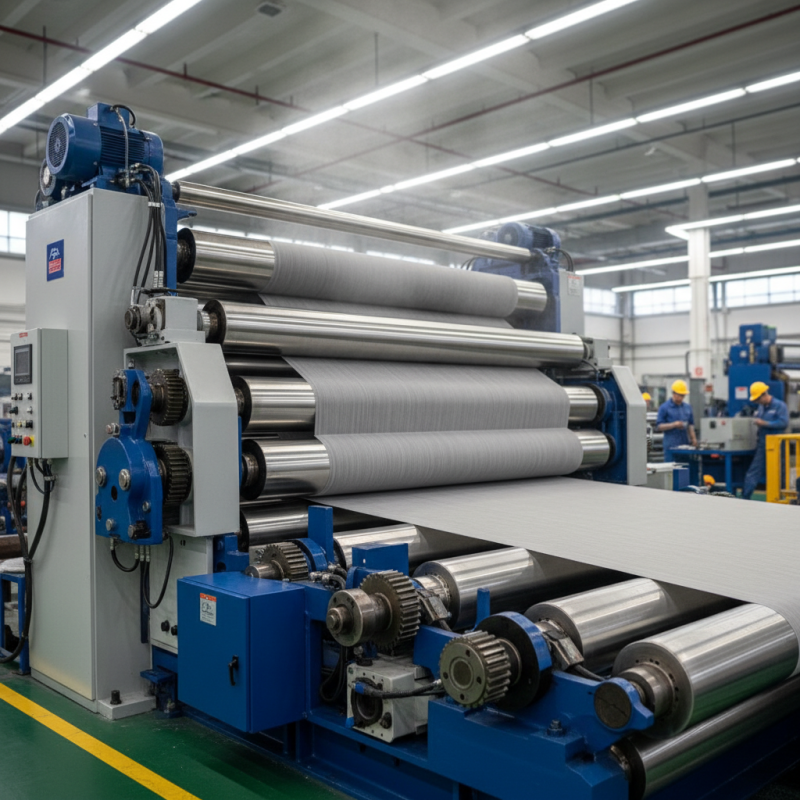
Key Features to Look for in a Calendering Machine
When considering a calendering machine, several key features stand out. The machine must have adjustable roller gaps. This allows for precise control over thickness. Different materials require varied thickness settings. Operators should easily calibrate the settings according to production needs.
Temperature control is critical for optimal results. A consistent temperature ensures materials are processed uniformly. Inconsistent temperatures can lead to defects. Additionally, a user-friendly interface enhances efficiency. Operators benefit from clear displays and simple navigation. Training time decreases with intuitive controls.
Maintenance features are often overlooked but are essential. Easily accessible components simplify routine checks. Regular maintenance prevents unexpected downtimes. A reliable machine should provide performance data, supporting operational decisions. This transparency allows production teams to pinpoint issues quickly. Investing time in understanding these features can dramatically improve production efficiency.
Types of Calendering Machines and Their Applications
Calendering machines play a crucial role in various industries, particularly in rubber and plastic production. These machines use heat and pressure to transform raw materials into usable sheets or forms. Different types of calendering machines serve distinct purposes, catering to specific production needs. For example, an open calender integrates rollers that promote continuous feeding of materials. This design is ideal for applications requiring large surface areas.
Another common type is the two-roll calender, commonly used in rubber processing. It allows for better control over thickness and consistency. Operators can adjust the gap between the rollers for precise measurements. Often, this type of machine can produce sheets with varying thicknesses, enhancing versatility. However, it requires skilled operators to manage settings efficiently, which may be a challenge in some facilities.
Reflecting on the applications, some industries may hesitate to invest in advanced calendering technology due to cost. Others might struggle with machine maintenance, leading to production delays. In today's fast-paced environment, optimizing calendering processes is essential for efficiency and quality. Addressing these issues is critical for maintaining a competitive edge in production solutions.
Advantages of Using Advanced Calendering Technology
Advanced calendering technology offers significant advantages in production efficiency. This method enhances the quality of materials. It also allows for precise thickness control. Manufacturers can achieve uniform texture and density vital for various applications. Furthermore, advanced machines often feature automated processes. Automation speeds up production and minimizes human error.
Investing in these machines can lead to long-term cost savings. They require less maintenance than older models. Additionally, the energy consumption is significantly lower. This not only reduces expenses but also supports environmentally friendly practices. With ongoing advancements, operators might find it crucial to stay updated on technology trends.
Tip: Regularly assess your production needs. This can guide you in selecting the right technology. Another tip is to train your team thoroughly. Well-trained staff can maximize the benefits of advanced calendering machines. Continuous learning is essential as technology evolves.
Factors Affecting the Efficiency of Calendering Processes
The efficiency of calendering processes relies on several critical factors. Temperature control is crucial. If the rollers are too hot or too cold, the material quality may suffer. Inconsistent temperatures can lead to uneven surfaces, causing additional rework. This is often overlooked by manufacturers who prioritize speed over precision.
Material choice greatly impacts the outcome. Some materials respond better to calendering than others. Understanding the specific properties of the materials used is essential. For instance, fillers can affect viscosity and flow. A careful selection can enhance the end product but requires expertise. Many operators may skip this analysis, resulting in inefficiencies.
Roller alignment also matters significantly. Misalignment can cause uneven pressure across the material. This inconsistency can create defects that compromise quality. Regular maintenance and calibration are often neglected. Operators sometimes underestimate the importance of alignment. Investing time in these details can yield substantial improvements in production efficiency.
Maintenance Tips for Optimal Performance of Calendering Machines
Calendering machines are crucial in various industries. They enhance product quality through efficient processing. To achieve optimal performance, regular maintenance is key. This ensures that the machines run smoothly, minimizing downtime and maximizing output.
Routine inspections should focus on key components. Check belts, rollers, and heating elements frequently. Any wear or tear can lead to significant production issues. Cleaning is also vital. Dust accumulation can affect the quality of the final product and machine efficiency. Keep the work area tidy to prevent accidents and maintain performance.
Operators should be trained thoroughly. Lack of knowledge often leads to mistakes. Regular training sessions can help improve skills and awareness. Reflect on past errors to avoid repeating them. A culture of safety and care can greatly enhance the machine's longevity. Investing time in maintenance pays off in the long run, ensuring consistent production quality.





