Best Bridge Crane Trolley Options for Efficient Lifting Solutions?
In the world of industrial lifting solutions, the bridge crane trolley stands out for its efficiency. According to a recent industry report from Grand View Research, the global market for overhead cranes, including bridge cranes, is projected to reach $4.7 billion by 2025. This growth highlights the demand for reliable lifting equipment in manufacturing and warehouse settings.
A bridge crane trolley allows for smooth horizontal movement of loads. This device enhances safety and productivity in various sectors, including automotive and construction. However, choosing the right trolley can be challenging. Factors like load capacity, speed, and control mechanisms can make or break operational success.
Despite advancements, not all bridge crane trolleys offer the same performance. Some trolleys may struggle under heavy loads, requiring ongoing maintenance. This inconsistency can lead to downtime and increased operational costs. Selecting a high-quality bridge crane trolley is crucial for maximizing efficiency and ensuring long-term reliability. Investing in superior options can drastically improve overall workflow and safety in any lifting application.
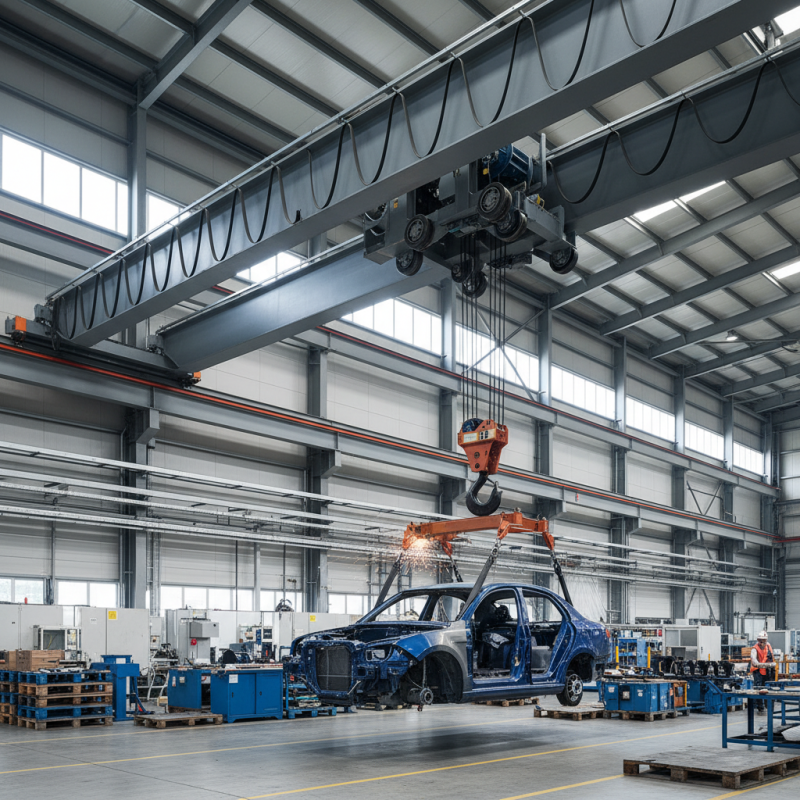
Overview of Bridge Crane Trolleys and Their Importance in Industries
Bridge crane trolleys play a crucial role in various industries by enhancing lifting efficiency. These trolleys aid in the quick and safe movement of heavy loads. According to a report from the Material Handling Industry, approximately 85% of manufacturing facilities rely on overhead cranes for complicated lifting tasks. This emphasizes the importance of a reliable trolley system in today's industrial environment.
The design of bridge crane trolleys impacts overall productivity. Many trolleys feature advanced technology, such as remote controls and automated systems, which improve operator safety and reduce labor costs. A study indicated that effective lifting solutions can increase operational efficiency by 30%. However, improper trolley selection or maintenance can lead to significant downtime and safety hazards. Regular inspections and adherence to best practices are vital for maintaining these essential tools.
While many industries benefit from bridge crane trolleys, challenges remain. Some operators may struggle with the complexity of newer technology. Moreover, user error often results in accidents or equipment failure. Addressing these issues through training can enhance safety and overall performance. Balancing technology with operator skill is essential for optimal lifting solutions.
Key Factors in Selecting the Right Bridge Crane Trolley
When selecting a bridge crane trolley, several factors come into play. The load capacity is paramount. Ensure the trolley can handle the weight you intend to lift. Overloading can lead to accidents. The construction material is also important. Aluminum is lightweight but may not be as durable as steel. Assess your operational needs before making a decision.
Tip: Always check for compliance with safety standards. This step is vital for preventing workplace injuries. Look for trolleys with safety features, such as automatic brakes or overload indicators.
The trolley's wheel configuration matters too. A single-wheel design may be suitable for light loads but can be unstable. Meanwhile, a double-wheel design offers more stability and control. Test the trolley's movement before finalizing your choice. A smooth operation can significantly enhance workflow efficiency.
Tip: Conduct regular inspections on the trolley. This maintenance ensures longevity and performance. Don’t overlook a worn-out component that could compromise safety.
Every operation is unique, and what works for one may not work for another. Be honest about your operational challenges. Consider factors like the lifting height and frequency of use.
Bridge Crane Trolley Lifting Capacity Comparison
Types of Bridge Crane Trolleys and Their Applications
Bridge crane trolleys are essential for various lifting applications. They streamline heavy lifting tasks in industrial settings. Different types of trolleys cater to specific needs. For instance, electric trolleys offer automation that improves efficiency. Manual trolleys, on the other hand, provide flexibility and control, allowing operators to maneuver loads precisely.
When selecting the right trolley, consider your operational environment. Heavy-duty models are ideal for warehouses where robust lifting is common. Lightweight trolleys can be more suitable for lighter loads and smaller spaces. Safety features also play a crucial role in trolley effectiveness. Incorporating fail-safes and limit switches enhances reliability. An improperly chosen trolley may lead to accidents or inefficiencies, highlighting the importance of careful selection.
In addition, maintenance is key to ensuring longevity. Regular inspections help identify potential issues before they escalate. Many users overlook this aspect. Ignoring maintenance can lead to downtime or costly repairs. Investing in the right type of bridge crane trolley and maintaining it properly can lead to significant operational benefits.
Innovative Features to Look for in Bridge Crane Trolleys
When selecting a bridge crane trolley, several innovative features can enhance your lifting solutions. First, consider the design of the trolley. A lightweight yet sturdy frame often proves beneficial. It should integrate smoothly with the bridge, allowing easy movement. Precision alignment is crucial. Trolleys that feature adjustable settings help achieve better lifting performance. These designs reduce wear and tear over time.
Next, pay attention to the control systems. Modern trolleys often come with remote control options. This feature improves safety by keeping operators at a safe distance. Moreover, a user-friendly interface enables quick adjustments during operations. Sensors that monitor load capacity can prevent overload risks.
Lastly, look for enhanced safety features. Emergency stop buttons should be easily accessible. Anti-collision systems can prevent accidents in busy work environments. While it’s easy to overlook these details, they significantly impact overall efficiency. Investing time in research will yield better performance, so don't rush the decision-making process.
Maintenance Tips for Ensuring Longevity of Bridge Crane Trolleys
Bridge crane trolleys are crucial for efficient lifting in various industries. However, improper maintenance can drastically reduce their lifespan. According to industry reports, regular maintenance can extend the operational efficiency of a trolley by up to 50%. Here are some tips to consider.
Inspect the trolley frequently. Look for signs of wear or damage, especially on wheels and chains. Pay attention to unusual noises during operation. These can indicate looming issues. Lubrication is essential; it prevents friction and wear. Use appropriate lubricants recommended by industry standards.
Moreover, ensure that the trolley is not overloaded. Overloading can lead to premature wear and catastrophic failures. Clear and clean the tracks regularly to prevent debris buildup. Dirt can hinder smooth movement and lead to operational failures. Regular training on proper usage for operators also enhances safety. This training addresses common mistakes, which could otherwise lead to accidents.
Incorporating these maintenance practices can lead to optimal performance and prevent major breakdowns. It’s vital to invest time in upkeep to ensure longevity and reliability.





