


10 Best Blood Purifier Medicine Brands for Global Buyers

“Blood purifier” is a broad marketing phrase, not a single, standardized medical category. Products sold under this label may contain herbs, vitamins, or other ingredients, and their evidence and quality can vary. As Harvard physician Dr. Pieter Cohen has emphasized in his work on supplements, health claims deserve careful scrutiny. This is a paraphrase, not a direct quotation.

A useful buying guide should look beyond a polished bottle or a confident promise. It should compare ingredient lists, manufacturing standards, available clinical evidence, and clear safety information. A label that names each ingredient and amount is more useful than one that hides them in a blend. Still, a detailed label does not prove that a product works. That distinction matters.

For global buyers, the practical questions are concrete: Who makes the product? Is testing documented? Are warnings easy to find? Can a pharmacist or clinician review its ingredients alongside a person’s medicines and health conditions? Product names, formulations, and local rules may differ between markets, so a familiar brand is not automatically suitable everywhere. Be cautious of claims that promise to “detox” the blood or treat disease; seek qualified medical advice for symptoms or ongoing conditions. This guide to 10 Blood Purifier Medicine brands offers a comparison framework, not a substitute for diagnosis or treatment. Some claims may sound reassuring. They still need evidence.
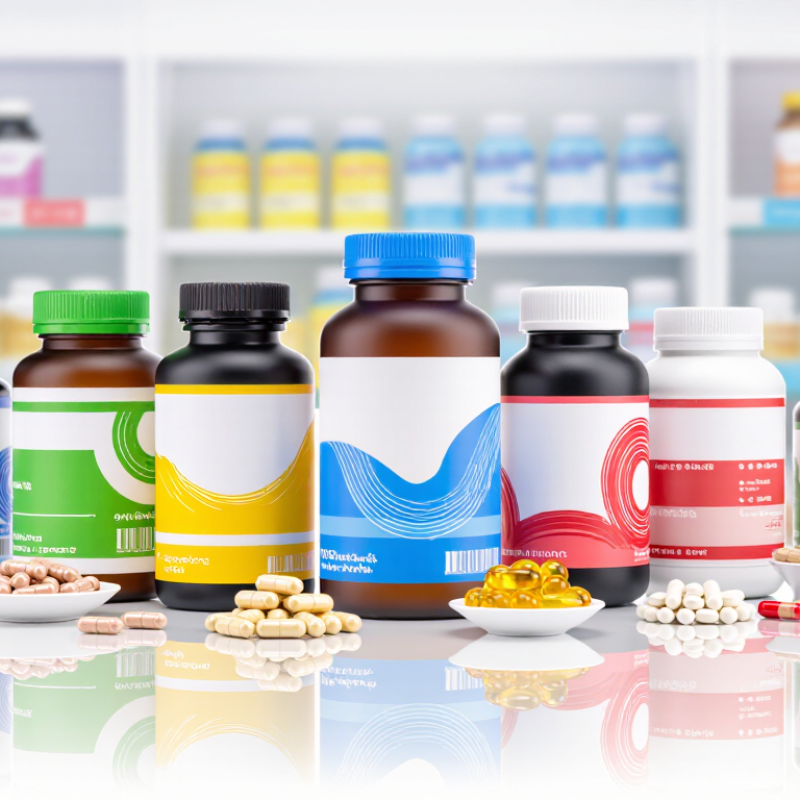
10 Best Blood Purifier Medicine Brands for Global Buyers

What “Blood Purifier” Means in Traditional and Modern Medicine

“Blood purifier” is a traditional wellness term, not a precise modern medical diagnosis. In some healing systems, it describes remedies believed to support balance or ease skin and digestive complaints. The phrase can sound clearer than it is. Different cultures use it differently, and products sold under this label may contain very different ingredients.

Modern medicine does not treat blood as something that needs routine cleansing. The liver processes many substances, while the kidneys filter waste into urine; these organs perform specific, measurable functions. When someone feels unwell, clinicians look for causes through symptoms, examination, and tests such as a blood count or liver and kidney panels. That approach is less appealing than a simple “purifier,” but it can identify a real problem.

Evidence for herbal products varies by ingredient and condition. Some may interact with prescriptions or affect liver function, so a natural label does not guarantee safety. Check the full ingredient list and discuss use with a qualified health professional, especially during pregnancy or when managing a chronic illness. A rash, fatigue, or abnormal test result deserves attention, not an assumption that toxins are building up. The term remains culturally meaningful, yet its medical meaning is often uncertain.


How to Evaluate Blood Purifier Brands for International Buyers

For international buyers, “blood purifier” is a marketing phrase, not a consistent pharmacological category. Check each product’s ingredients, intended use, and evidence for a specific condition. Detox claims alone are not clinical endpoints. WHO’s 2017 report estimated one in ten medical products in low- and middle-income countries is substandard or falsified. That risk matters. Request a current GMP certificate, batch-specific certificate of analysis, stability data, and a verifiable manufacturing-site address. Confirm certificates with the issuing authority, not just a seller’s scanned copies. Small details count.

Check whether the product is registered for sale in the destination country. Its label should clearly state dosage, contraindications, interactions, storage requirements, and a contact for adverse-event reporting. Look for controlled human studies, then examine sample size, measured outcomes, and study funding. Traditional use alone does not establish safety or efficacy. Compare recall notices and complaint records, not just price or packaging. A missing batch number is a warning. Import classifications differ by market, so ask a licensed local pharmacist or regulator to verify requirements before purchase. No checklist is perfect; documents can be outdated, and that deserves a second look.

Ten Recognized Blood Purifier Medicine Brands Around the World

The phrase “blood purifier” is widely used in advertising, but it is not a precise diagnosis or one standardized medicine class. Products described this way may contain herbs, vitamins, or other ingredients, and their formulations can differ by country. There is no reliable worldwide list of ten universally recognized brands. A familiar label does not prove that a product treats a specific illness or clears toxins from the blood.

Global buyers should compare products by active ingredients, dosage, manufacturing details, and evidence for the stated use—not by popularity alone. Check whether the label identifies possible interactions and who should avoid the product. A pharmacist or clinician can help assess risks, especially for people taking prescription medicines or managing liver or kidney conditions. “Natural” does not always mean safe. Some claims may sound convincing, yet evidence can be limited; even careful comparisons can miss important differences between formulations.

Tips: Read the full ingredient panel, not just the front label. Keep the package available when asking a healthcare professional for advice. Stop and seek medical guidance if you notice an unexpected reaction.

How Formulations and Availability Differ Across Markets

Products marketed as blood purifiers do not share one standard formula or medical definition. Depending on the market, the phrase may describe herbal mixtures, dietary supplements, or treatments for specific diagnosed conditions. Their ingredients, concentrations, and quality controls can differ. A tablet sold in one country may have a different extract strength or warning label elsewhere. Names can mislead. The term alone does not show that a product removes toxins or treats disease.

Availability also depends on local registration rules, supply chains, and whether an ingredient requires a prescription. Even familiar ingredients may have different permitted uses or age limits across countries. Check the active ingredients, amounts per dose, manufacturer details, and local authorization. Ask a pharmacist or clinician to review possible interactions, especially if you take regular medicine or have kidney or liver disease. Evidence for broad “cleansing” claims is often limited, so seek advice based on a specific health concern.

Tips: Compare ingredient lists, not packaging. Keep the label and batch number. Avoid products promising rapid detoxification, and do not replace prescribed care without medical advice. If labels are unclear, pause and ask a qualified local professional.

10 Best Blood Purifier Medicine Brands for Global Buyers - How Formulations and Availability Differ Across Markets

Important: “Blood purifier” is a traditional marketing term, not a standardized medical category. The table compares commonly associated herbal ingredients and formulation types—not brands or proven blood-cleansing treatments. Evidence and regulatory status vary by product and country.

No. Herbal ingredient or blend Common formulation types Traditional positioning Availability patterns for buyers Evidence and key cautions
1 Azadirachta indica (neem) Leaf powders, capsules, and extracts; topical preparations are also sold. Used in some South Asian traditional systems for skin-related concerns. More familiar in South Asian and Ayurveda-oriented retail; availability and permitted claims differ elsewhere. There is no established evidence that neem “purifies” blood. Oral use may be unsafe in pregnancy; neem oil should not be swallowed.
2 Curcuma longa (turmeric) Ground rhizome, capsules, and concentrated extracts; some extracts include absorption-enhancing ingredients. Traditionally used as a culinary spice and in varied traditional preparations. Widely sold as food and as a supplement; extract strength and labeling standards vary by market. Not a blood cleanser. Concentrated supplements can interact with medicines; seek medical advice with gallbladder or bile-duct problems.
3 Smilax species (sarsaparilla) Root teas, powders, and capsules. Used in some regional herbal traditions and historical “alterative” preparations. Found mainly through herbal and specialty supplement channels; species and product composition may differ. Clinical evidence for blood-purifying effects is lacking. Check the exact species and ingredients, especially in multi-herb products.
4 Arctium lappa (burdock) Root tea, dried root, powders, and extracts. Root is used as food in some cuisines and appears in traditional herbal preparations. Sold as food or herbal supplements in several markets; availability is often greater in specialty shops. No reliable evidence supports blood cleansing. People allergic to related plants may react; product quality and correct plant identification matter.
5 Rubia cordifolia (manjistha) Root powders, capsules, and multi-ingredient traditional preparations. Used in Ayurveda-oriented products, often associated with traditional skin-health claims. More commonly encountered in South Asian and Ayurveda-focused channels than in mainstream pharmacies globally. High-quality clinical evidence for blood purification is lacking. Consult a clinician before use during pregnancy, breastfeeding, or alongside medicines.
6 Tinospora cordifolia (guduchi) Stems or extracts in powders, tablets, and capsules. Used in Ayurveda; some products are marketed for general wellness or immune support. Most familiar in South Asian traditional-product markets; import and product rules vary by country. It is not established as a blood purifier. Liver-injury reports have been associated with some guduchi products; avoid unsupervised use, especially with liver disease.
7 Phyllanthus emblica (amla) Dried fruit powder, capsules, extracts, and food products. Used as food and in traditional preparations; naturally contains vitamin C, though amounts vary by processing. Widely available in South Asian food and supplement channels; international products vary in standardization. No proven blood-cleansing effect. Supplements may affect blood sugar or interact with medicines; discuss use with a healthcare professional.
8 Triphala (a blend of three fruits) Powder, tablets, capsules, and liquid preparations; recipes and ratios can differ. A traditional Ayurvedic blend, commonly used in products associated with digestive wellness. Common in Ayurveda-oriented retail and increasingly sold online; check ingredient lists and local product authorization. Not a blood purifier. It may cause gastrointestinal effects and could affect medicine absorption; clinical evidence for many marketed claims is limited.
9 Taraxacum officinale (dandelion) Leaf or root teas, dried herbs, capsules, and extracts. Leaves are used as food; different plant parts appear in traditional herbal preparations. Often sold through herbal shops and supplement retailers in Europe and North America; product status differs by country. Evidence does not establish blood purification. Use caution with allergies to related plants, bile-duct conditions, or medicines affecting fluid balance.
10 Silybum marianum (milk thistle) Standardized seed extracts, capsules, and tablets; the silymarin content may be declared on labels. Traditionally associated with liver-related use; marketed claims do not establish treatment effectiveness. Widely sold as a dietary or herbal supplement in many regions, subject to local labeling and regulatory requirements. It does not “clean” blood or replace liver treatment. Evidence for specific conditions is mixed; possible allergy and medicine interactions should be considered.

Buyer and safety note: Formulations, plant species, extract strengths, and quality controls can differ between countries and even between products with similar names. In the United States, dietary supplements are not approved by the FDA for safety and effectiveness before marketing; in the European Union, botanical-product rules can vary by country and product category; in India, applicable requirements depend on the product’s regulatory classification. Check local rules, ingredient disclosures, and independent quality information. Seek medical advice for persistent symptoms, pregnancy, chronic illness, or use with prescription medicines.

Safety, Evidence, Labeling, and Regulatory Checks Before Purchase

“Blood purifier” is not a standardized medical diagnosis or evidence category. Treat the phrase as a claim to investigate, not proof of benefit. The WHO’s 2019 Global Report on Traditional and Complementary Medicine found that 170 Member States reported using these practices. That figure describes use, not effectiveness. Check whether evidence supports the exact ingredients, dose, and intended health outcome. Look for human studies and independent reviews, not testimonials or vague detox language. A polished label is not proof.

Read the full ingredient list, amounts per serving, warnings, expiry date, and batch number. Confirm the product’s registration or notification status with the relevant national regulator; requirements differ by country. In the United States, the FDA does not approve dietary supplements for safety and effectiveness before sale. Ask a pharmacist or clinician to check possible interactions, especially if you take prescription medicines or have a chronic condition. Keep the package and receipt. Small details matter. I would still question labels that promise to “clean” blood without naming a measurable outcome. A medicine name alone cannot establish safety, quality, or clinical benefit.

Medicine Label Checks: U.S. FDA Label Formats

The chart compares the section counts in two U.S. FDA label formats: 8 for the OTC Drug Facts label and 17 in the prescription-drug Prescribing Information. These counts describe label structure—not product quality, effectiveness, or regulatory approval in other countries. “Blood purifier” is not a standardized medicine category; check a product’s active ingredients, approved uses, warnings, and registration with the relevant national regulator before purchase.

Sources: FDA: Over-the-Counter Drug Label; FDA: Prescribing Information format.

Powder Coat Booths

For those larger-sized parts, or smaller quantity runs, we have 2 independent powder coat booths and ovens. The quality, durability and affordability of today’s powder coating finishes make this the process of choice for world-class companies.

Powder coating advantages over other forms of coating are many. Materials used in the Powder coating process can be metals and non-metals that come in a multitude of thicknesses, textures, colors, etc. Another of Powder coating’s biggest advantages over conventional coatings is its ability to create finishes in many different textures. Powder Coating Booths allow us the ability to apply these advantages to large products.

Wet Paint Line

Tri-State Fabricators runs a full-service conveyor line for painting. Wet painting can provide protection or decoration to many different part styles. From start to finish, every project is easier to undergo random and point-based inspection by our skilled painting team.

Advantages to our Wet Paint Line are these lines start with product prep and ends with a thorough inspection of a high quality finished product. Our ability to complete large and small projects with a superior finish and doing so in a timely and economical fashion. This passes along the savings in production to our customers. When powder coating ins not an option, our Wet Paint Line gets the job done right the first time.

Wet Paint Booths

When the parts get big and heavy we roll-out our custom paint racks and oversize booth. By utilizing our partnerships with all the major paint brands, we can match virtually any color with wet paint.

The advantages of having access to a Wet Paint Booth are many. Large projects of many different shapes can be loaded into the booth. The Wet Paint Booth offers an environment that is much more controlled than a typical parts painting operation.

Not only are they used because of their controlled environment, but they’re are also advantageous when it comes to applying paint to parts that are needed in industries that require specialty coatings such as medical, aerospace, etc.

Military CARC

Our military forces have some very high standards when it comes to the finish of their vehicles and equipment. From the first pre-treatment step to final coat, it takes a great deal of knowledge and experience to protect the men and women of our armed forces. They deserve only the best, and Tri-State Fabricators provides it.

All of our processes are closely monitored by our staff and management teams. Both of which are highly trained in the processes of metal fabrication and finishing. Tri-State Fabricators’ goal is to always fully satisfy each and every customer, including the military. We will always put a 110% into what we do.

Glass-Bead Blasting

Abrasive media blasting is an excellent way to remove old paint, rust, and increase the paint/powder adhesion. Glass beads produce a much smoother and brighter finish than angular abrasives; leaving the part clean yet without any dimensional change. Chemically inert and environmentally friendly, we can recycle our beads approximately 30 times; making them a more preferred method of metal cleaning or surface finishing.

Advantages to Glass Bead Blasting are many. Glass bead blast media is used when a project is needing rough surfaces need to become smooth for applications of coatings such as paint. It is typically used to clean paint and rust from a product surface without deforming the surface it is being used on. Overall, compared to many other blasting media, Glass Bead Blasting is a very economical choice and those savings are always passed on to our customers.

Part Washing

Tri-State Fabricators utilize a zinc phosphate wash to clean and etch the material to ensure the best paint adhesion possible. The unique design of our 3-stage wash system does the work like a 5-stage. From Cleaning and rinsing to conversion coating and post-treatment, Our Part Washing process is a complete service and works throughout the fabrication service and the finishing service.

Along with the previously mentioned benefits, Curing is a vital chemical reaction that leaves the product finish hard and relatively safe from mild abrasion and aggressive corrosion. This process can be done in more than one way; ambient air-dry or in curing ovens at temps that exceed 240°.

Burn-Off Oven

From fixing paint mistakes (someone else’s of course) to simply cleaning our paint line hooks, our burn-off oven is put to good use. After a quick burn-off, a little clean up, and a fresh coat of paint, your parts will look better than new.

Why does our Burn-Off Oven work so well? Because super heating the air around parts turns the materials into ashes. From paint and powder coatings to rubber and machining oils, high temps do the job without degrading the integrity of the part.

Masking

Masking is a vital part of producing high quality products. We have die-cut masking patterns to protect machined surfaces as well as a wide range of plugs and caps to protect threaded holes and bolts. We provide permanent and temporary masking.

Masking allows the selected sections of a product to be protected from a fabrication or finishing service. This can be with both chemicals when etching and tapes, paints when only finishing just a section of the product. Masking is great in aiding the customization process of a project.

Screen Printing

Screen printing is a photographic process that transfers artwork onto a porous nylon screen which allows colored ink to flow through the screen and be deposited on an aluminum or plastic component. We can generally have just about any design created onto a screen for your parts.

Some of the advantages of Screen Printing are, brand recognition for your business displaying on your products, assembly instructions, product warnings/hazards, etc. Tri-State Fabricators produces Screen Printing of the highest quality so you know it’s durable.

Metal Finishing

Metal Finishing is the art of treating the exterior portion of product, often metal but can also be made of other materials, so that the surface is clean and free of any debris. Then the process of applying coats or either paint of powder coat takes place. This coating process improves the quality of the product in both appearance and resistance to wear and corrosion.

Tri-State Fabricators, Inc., understands that a project typically isn’t complete until a high-quality finish has been added to your product. This is why our painting and powder coating teams continuously inspect the products throughout the Metal Finishing process.
