2026 Best Bending Equipment for Global Buyers Needs?
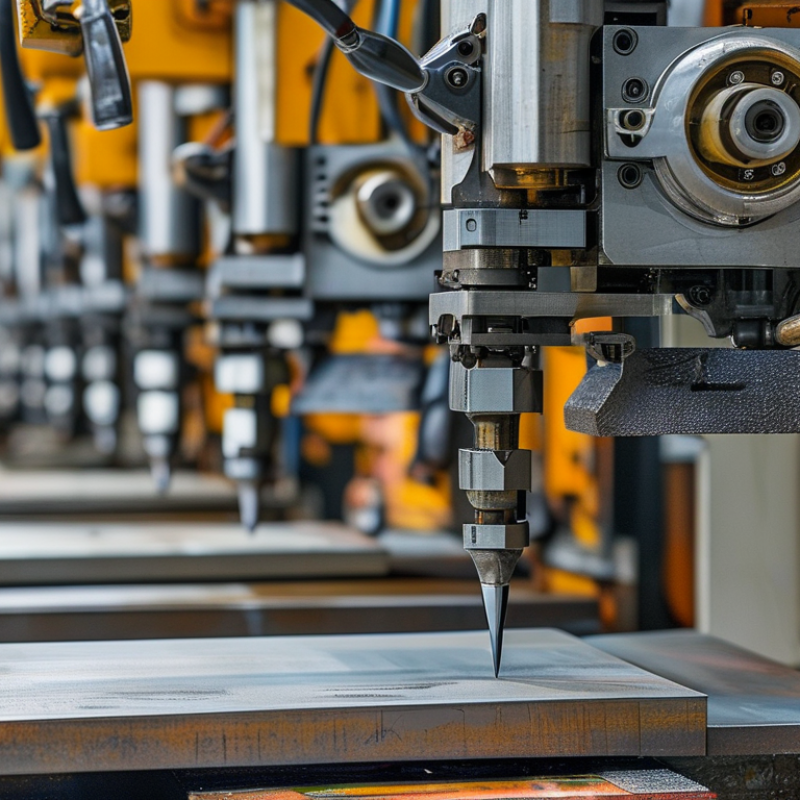
As industries evolve, the demand for high-quality Bending Equipment grows. This vital machinery plays a crucial role in various manufacturing processes. Its ability to produce accurate bends in metal enhances product quality and efficiency.
In 2026, global buyers seek innovative and reliable Bending Equipment that meets their diverse needs. The market offers a range of options, but not all machines deliver the promised results. Buyers must consider the equipment's performance, durability, and support services.
However, factors like cost and maintenance often lead to challenging decisions. The ideal Bending Equipment balances affordability with top-notch functionality. Exploring user reviews and expert insights is essential for making informed choices. Ultimately, the right equipment can significantly impact production effectiveness and overall business success.
2026 Global Market Trends in Bending Equipment Demand and Supply
The global demand for bending equipment is shifting dramatically in 2026. Factors like automation and sustainability are driving changes in supply chains. Countries are investing in advanced technologies. This shift caters to industries like automotive and construction, which require precise bending solutions.
The supply side faces challenges too. Raw material costs are fluctuating, impacting manufacturers. This may lead to price inconsistencies in the market. Suppliers must adapt to new consumer demands while maintaining quality. This balance is not easy and requires constant reassessment of strategies.
**Tip:** Stay updated on market trends. Regularly check industry reports and attend trade shows. Networking with experts can provide insights into supply chain dynamics.
**Tip:** Consider your specific needs before purchasing. Assess the technology and materials you require. This reflection can prevent future regrets about investment choices. Emphasizing reliability in equipment is key for long-term success.
2026 Best Bending Equipment for Global Buyers Needs
| Equipment Type | Demand Growth (%) | Key Markets | Estimated Price (USD) | Technological Trends |
| Hydraulic Press Brakes | 8.5% | USA, Germany, China | $30,000 - $150,000 | Automation, IoT Integration |
| CNC Bending Machines | 10.2% | UK, Japan, South Korea | $50,000 - $200,000 | Smart Technology, Artificial Intelligence |
| Electric Benders | 6.0% | India, Brazil, Russia | $20,000 - $80,000 | Energy Efficiency, Compact Design |
| Pipe Bending Machines | 7.8% | Italy, UAE, Canada | $25,000 - $100,000 | Precision Engineering, Customization Options |
| Rotary Bending Machines | 5.5% | France, Australia, Mexico | $40,000 - $120,000 | 3D Bending, Enhanced Safety Features |
Evaluating Top Bending Equipment Brands: Features and Innovations
In the evolving landscape of bending equipment, innovation and efficiency are paramount. A recent industry report indicated that the global bending equipment market is projected to reach $7 billion by 2026, driven by advancements in technology. Features such as automated controls and AI integration are becoming essential in enhancing precision and reducing operational downtime.
Not every brand is leading in these innovations. Some manufacturers still rely on outdated technologies, which can hinder performance. For instance, equipment without adaptive bending capabilities often results in higher scrap rates. This reality highlights the need for buyers to thoroughly evaluate options before making investments. Data from recent surveys show that 68% of businesses seek equipment that combines versatility with user-friendly interfaces.
When assessing the top brands, look for features that promise reliability. Equipment with robust safety mechanisms often fares better in performance reviews. However, even the most advanced machinery can falter without proper maintenance. Regular check-ups and knowledgeable operators remain crucial to ensuring longevity. Investing in training can significantly reduce the frequency of breakdowns and enhance overall productivity. Exploring these parameters can lead to better decision-making in the quest for optimal bending solutions.
Understanding the Role of Automation in Bending Equipment Efficiency
The demand for bending equipment is growing. Automation plays a crucial role in improving efficiency. Automated bending systems can significantly reduce errors and enhance precision. This means less material waste and better quality output. Manufacturers must consider how automation impacts their processes.
Tips: Invest in training for your staff. They need to understand the new technologies. A well-trained team can maximize the use of automated systems. Ensure regular maintenance of your equipment. This keeps everything running smoothly and helps avoid costly downtime.
There's a learning curve with automation. Some companies might struggle initially. It’s essential to identify the pain points. Assess how automation can integrate into existing workflows. This reflective approach can lead to successful outcomes. Each business has unique challenges to overcome.
Comparative Analysis of Bending Equipment Types: Hydraulic vs. Electric
When choosing bending equipment, it’s crucial to understand the differences between hydraulic and electric options. Hydraulic bending machines are known for their high power and efficiency. They can manage thick materials and heavy workloads easily. However, these machines can consume more energy and often require maintenance due to their complex systems.
Electric bending equipment presents a more user-friendly alternative. They are quieter and generally more energy-efficient. Though they may lack the brute force of hydraulics, modern electric models can handle moderate tasks effectively. They often feature advanced controls for precision tasks, which is ideal for intricate designs.
**Tips:** Consider the materials you work with most often. If you're bending thick metals, hydraulic machines might be preferable. For lighter materials, electric options could be sufficient. Evaluate your space and energy needs as well. This decision can lead to long-term cost benefits. Understanding each machine's strengths and weaknesses helps in making an informed choice. Always think about future needs, as your production requirements may change.
Industry Standards and Regulations Impacting Bending Equipment Choices
When selecting bending equipment, buyers must consider industry standards and regulations. These guidelines are critical in ensuring safety and efficiency. Compliance with these standards can influence equipment choice significantly. Buyers need to be aware of evolving regulations. This can impact production processes and design requirements.
Different industries have various standards they need to adhere to. For instance, construction has strict safety regulations that apply to bending equipment. Failing to comply can lead to costly penalties. Buyers must also consider the impact of technology on equipment design. Emerging technologies sometimes outpace current regulations, creating a gap in compliance.
Another challenge is the interpretation of standards, which can vary by region. Local regulations may differ from international ones. This inconsistency can cause confusion for global buyers. Additionally, buyers should seek reliable information about compliance from credible sources. It’s important to have clear documentation and audits to avoid setbacks. Understanding these complexities can help prevent costly mistakes in equipment selection.
2026 Best Bending Equipment Choices
This chart represents the distribution of different types of bending equipment preferred by global buyers in 2026, based on industry standards and regulations.