Best Automated Barrier Types for Global Buyers in 2026
Choosing an Automated Barrier in 2026 means matching the equipment to the site, not chasing the newest feature. A busy port entrance has different needs from a hotel driveway or a logistics yard. Boom barriers can manage frequent vehicle access where space is limited. Rising bollards and road blockers may suit sites that require a stronger physical boundary. Sliding and swing gates can work well when the entrance layout allows room for movement. Each option brings trade-offs in speed, footprint, maintenance, and operating conditions.
A fictional composite specialist, Alex Morgan, offers this editorial observation: “The right barrier is the one the site can operate and maintain reliably.” This is an original illustrative quote, not a verified statement from a real industry expert. That distinction matters. Buyers should compare documented cycle ratings, safety features, service access, spare-parts availability, and compatibility with access-control systems. Ask how the equipment performs in local weather, during power interruptions, and under the site’s actual traffic load. Small details matter. A fast barrier may still cause queues if vehicle detection or entry procedures are poorly planned.
This guide compares leading barrier types for global buyers in 2026, with practical attention to installation, lifecycle costs, and supplier support. Requirements differ by location and project. Confirm applicable standards with qualified local professionals before specifying equipment. The trade-off is rarely simple. Some choices deserve a second look.
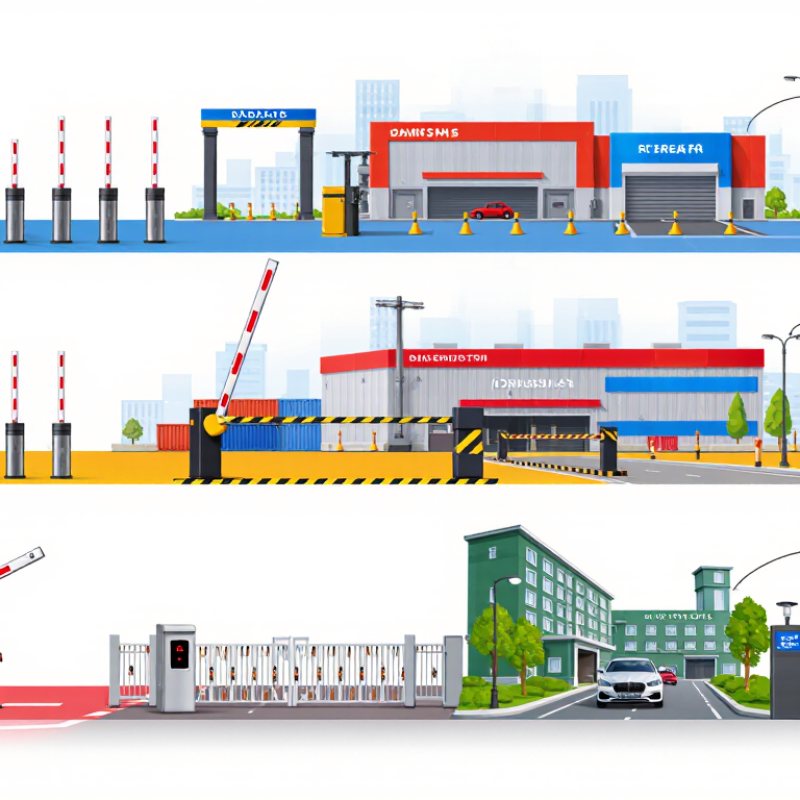
How Automated Barriers Control Vehicle and Pedestrian Access
Automated barriers control access by checking a vehicle before opening a physical path. At a staffed entrance, an operator may raise the arm after confirming a visitor’s details. Unattended sites often use a card reader, keypad, or approved vehicle credential. A detector in the pavement can register a waiting car and prevent the arm from closing too soon. Small details matter. A queue that blocks the sensor can disrupt the whole entrance.
Pedestrians need a separate, clearly marked route rather than a gap beside the moving arm. Safety sensors can detect movement beneath the barrier, while warning lights show when it is operating. These features reduce risk, but they do not replace visible signs or routine checks. Staff should test emergency release, sensor response, and arm alignment as part of maintenance. Rain, dust, or a shifted detector may cause unreliable readings. That gap matters. A design can look efficient on paper yet feel awkward when a wheelchair user or delivery driver approaches. Reviewing real traffic patterns after installation helps reveal such friction and guides practical adjustments.
The Main Types of Automated Barriers Available in 2026
The main types of automated barriers available in 2026 include boom barriers, folding-arm barriers, vertical-lift barriers, and automated sliding gates. Boom barriers use a horizontal arm that rises to let vehicles pass. They suit parking entrances, warehouses, and controlled access roads where space allows the arm to swing freely. Folding arms use hinged sections, making them useful beneath low ceilings or canopies. They need careful clearance checks.
Vertical-lift barriers raise the arm straight upward, avoiding a wide swing path. They can work well in tight lanes, though overhead structures may limit installation. Sliding gates move sideways across an entrance and can secure wider openings. They usually need room beside the driveway for the gate to travel. Not every site has that space.
Choosing a type depends on lane width, traffic volume, vehicle height, and expected operating cycles. A busy facility may need a fast-duty system, while a small private entrance may prioritize simple maintenance. Check for presence sensors, emergency release, weather protection, and backup power. Details matter. Site measurements and a review by a qualified installer can prevent costly changes later. One detail is easy to overlook: dust, rain, or uneven pavement can affect reliable operation. A specification sheet alone may not reveal that.
How Barrier Designs Differ in Speed, Security, and Durability
An automated barrier’s speed is only useful when it matches the site’s traffic pattern. A boom barrier suits busy parking entrances because its arm can clear a lane quickly. It opens fast. However, the arm controls vehicle access, not pedestrian movement, so separate access planning matters. Frequent cycles can wear hinges, motors, and balance components sooner than occasional use.
Sliding gates provide a more solid boundary and can deter unauthorized vehicle entry. Their movement is usually slower, and they need clear space along the fence line. Wind, grit, and uneven tracks can affect daily operation. In coastal or dusty locations, buyers should check corrosion protection, track design, and the maintenance schedule—not just the stated cycle speed. I have seen specifications look impressive while overlooking routine cleaning.
Rising bollards create a stronger physical boundary at selected vehicle approaches, but their response time and service needs vary by system. Drainage matters. Poor water management can lead to avoidable faults, especially where heavy rain or freezing temperatures are common. Buyers comparing designs should ask for tested operating cycles, emergency-release procedures, and parts availability in the installation region. A site survey helps reveal awkward details, such as a queue spilling into a road or a gate track crossing a drainage channel. The best fit may still involve a compromise.
Safety Standards, Climate, and Integration Needs Across Markets
Automated barriers are not interchangeable across markets. A boom barrier suits many parking entrances because it opens quickly and needs little road space. Sliding gates can control wider vehicle openings, but require a clear track and regular cleaning. Rising bollards provide a stronger physical boundary, yet they need careful drainage and dependable emergency procedures. The right choice depends on vehicle flow, site layout, and the local safety standards that apply.
Climate changes the maintenance plan. In coastal areas, specify corrosion-resistant components and inspect exposed fixings for rust. In hot regions, check motor temperature limits and shade control cabinets where practical. Snow, grit, and standing water can obstruct tracks or sensors. Small details matter. A barrier that works in a showroom may struggle after a dusty season or a hard freeze.
Integration deserves equal attention. Confirm compatibility with access readers, vehicle loops, photocells, and building controls before installation. Test detection at different vehicle heights, including motorcycles and delivery vans. Keep emergency release and manual operation clear to site staff. One planning mistake is assuming every sensor will behave the same in every climate. It will not. Documenting faults and service intervals helps teams spot patterns, though records are often neglected. Local installers should verify requirements and test the complete system on site.
How Global Buyers Can Match Barrier Types to Their Applications
Match the barrier to the traffic pattern, not just the opening width. A boom barrier is often practical for car parks, office entrances, and toll lanes where vehicles pass one at a time. Choose a high-speed model when queues build during short arrival peaks, but check its duty cycle and service access. Small details matter. A long arm can be a poor fit where wind exposure or tight turning space complicates operation.
For airports and busy transport hubs, throughput and safe pedestrian movement deserve equal attention. ACI World’s 2024 World Airport Traffic Report estimated 9.5 billion global passenger journeys that year, above 2019 levels. That scale supports planning for clear lanes, backup operation, and dependable detection—not simply faster opening times. For sites needing stronger vehicle-perimeter control, rising bollards can protect a defined approach; they need suitable foundations and drainage. Sliding or swing gates may suit controlled private roads, though space and vehicle flow can limit them.
Electrification also changes entry planning. The International Energy Agency’s Global EV Outlook 2024 projected more than 17 million electric-car sales in 2024, over one-fifth of global car sales. Buyers should consider charging-bay queues and access for service vehicles. Then verify safety devices, operating limits, and local installation requirements with qualified engineers. I would still challenge one assumption: the most powerful barrier is not always the most suitable. A simpler unit may serve a low-volume site better, provided its safety and maintenance needs are met.





