What is the Best Airtight Door for Global Buyers?
When considering the best Airtight Door for global buyers, several factors come into play. Airtight doors play a crucial role in various applications, including industrial settings and residential spaces. They ensure the containment of air, dust, and moisture. However, not all airtight doors are created equal. Some may lack durability or efficiency, leading to performance issues.
Selecting the right Airtight Door involves understanding specific needs. Buyers should evaluate materials, insulation properties, and design features. For instance, stainless steel or fiberglass options may be more resilient than standard wood doors. Furthermore, manufacturers can vary in reliability. Researching reputable brands is essential to avoid potential pitfalls.
In this quest for the best Airtight Door, it’s vital to gather testimonials and reviews. Some customers report dissatisfaction with improper sealing or installation. Reflecting on these experiences could guide future purchases. Ultimately, an informed decision can enhance effectiveness and usability.
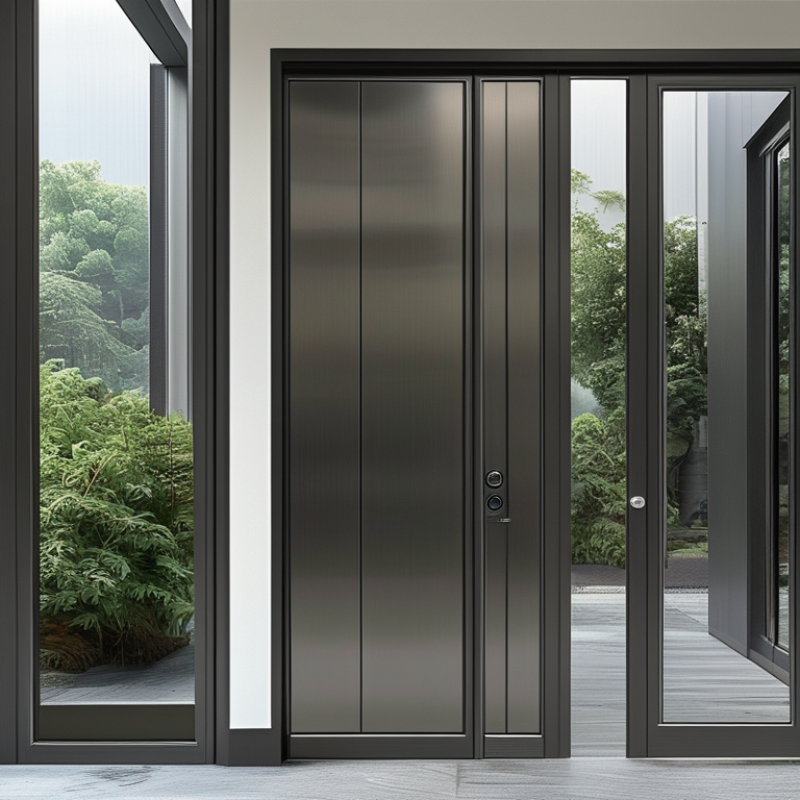
Understanding Airtight Doors: Importance and Applications
Airtight doors play a crucial role in various industries, ensuring airtight environments for different applications. These doors prevent leakage, enhance energy efficiency, and improve safety by shielding sensitive areas from contaminants. According to a recent industry report by the International Energy Agency, airtight buildings can save up to 20-30% on energy costs. Such significant savings highlight the importance of selecting the right airtight door.
In sterile environments, like pharmaceutical and food production facilities, the standards are strict. ISO 14644-1 outlines cleanroom classifications, emphasizing the need for airtightness in maintaining air quality. Even minor leaks can compromise product integrity. When evaluating airtight doors, factors such as material, sealing mechanism, and design are critical. Some installations might face challenges due to improper fit or maintenance issues.
The choice of an airtight door can reflect a company’s commitment to safety and efficiency. Many organizations continuously assess their airtight solutions to ensure compliance with evolving regulations. Staying current with innovations is vital. As the market grows, best practices for screenings often require reassessment. This ongoing evaluation aids in achieving optimal performance while addressing environmental sustainability.
Key Features to Consider When Choosing an Airtight Door
When selecting an airtight door, several key features must be taken into account. The primary factor is the door's seal integrity. A good seal ensures that no air escapes or enters, maintaining desired conditions indoors. The National Institute of Standards and Technology notes that a door with a high-quality seal can reduce energy waste by up to 30%. This efficiency underlines the importance of thorough inspection and quality materials.
Another critical feature is resistance to environmental factors. Airtight doors often encounter varying temperatures and humidity levels. Research indicates that materials with high insulation values, such as fiberglass or steel, outperform others, maintaining stability over time. Testing in laboratories shows that well-selected materials can extend the lifespan of doors by over 15 years, which is a significant investment return.
Lastly, consider installation precision. Even the best doors will fail without proper installation. Misalignments can lead to leaks and decreased performance. Statistics show that improperly sealed doors result in a 20% loss of efficiency. This emphasizes the need for expert installation and meticulous measurement to achieve long-lasting performance.
Top Manufacturers and Their Best-Selling Airtight Door Models
When considering airtight doors, global buyers face numerous options. Many manufacturers provide varying models tailored for specific needs. Their best-selling designs often feature advanced sealing technology. Such technology ensures minimal air leakage, maintaining controlled environments effectively.
Top manufacturers focus on durability and functionality. Some models are designed for harsh conditions, providing excellent thermal insulation. These doors are tested for resilience and longevity, enhancing their appeal. Others prioritize aesthetic design alongside functionality, catering to modern architectural trends.
However, not all models are flawless. Buyers must reflect on their specific requirements. A high-performance door may not suit every environment. It's essential to balance between cost and quality. Some doors may initially appear cheaper, but long-term efficiency could lead to higher expenses. Understanding individual needs is key to making informed choices.
Global Standards and Regulations for Airtight Doors
When considering airtight doors, global standards play a crucial role in ensuring safety and efficiency. Various industries, such as pharmaceuticals and food production, require stringent regulations. These standards help to minimize contamination and maintain quality.
Different regions have their own guidelines. The International Organization for Standardization (ISO) sets fundamental benchmarks. However, local regulations sometimes differ. It is essential to understand these variations. Not all products meet every standard, which can create confusion for global buyers.
Manufacturers must be diligent. They should provide clear documentation on compliance. This transparency is vital for building trust. Buyers need to feel secure in their choices. Mistakes can lead to costly issues down the line. Therefore, understanding global standards is not just a formality; it’s a necessity. Different environments may require adaptations or additional features. Each project presents unique challenges. Always consider these factors when selecting airtight doors.
What is the Best Airtight Door for Global Buyers?
This chart displays the average air leakage rates (in cubic feet per minute at 1.57 PSF) of various types of airtight doors, measured against global standards.
Maintenance Tips for Ensuring Longevity of Airtight Doors
Airtight doors play a crucial role in various settings, from homes to industrial facilities. To ensure these doors remain effective over time, maintenance is key. Regular inspections can help identify wear and tear, which may compromise their airtight properties. Checking seals and gaskets for signs of damage is vital. These components are often the first to deteriorate, leading to air leaks.
Cleaning is another essential aspect of upkeep. Use gentle, non-abrasive cleaners to remove dust and debris. This keeps surfaces smooth and functional. Remember to lubricate hinges and hardware regularly. Proper lubrication prevents rust and maintains ease of operation. It's important to avoid over-lubricating, as this can attract dirt.
Be mindful of environmental factors. Humidity and temperature fluctuations can affect door materials. In high-moisture areas, doors may warp if not properly maintained. Monitoring and adjusting humidity levels can prolong door life. Ultimately, consistent attention to these details can enhance the longevity of airtight doors, ensuring they perform as intended.





