What Is the Best Acrylic Topcoat Type in 2026?
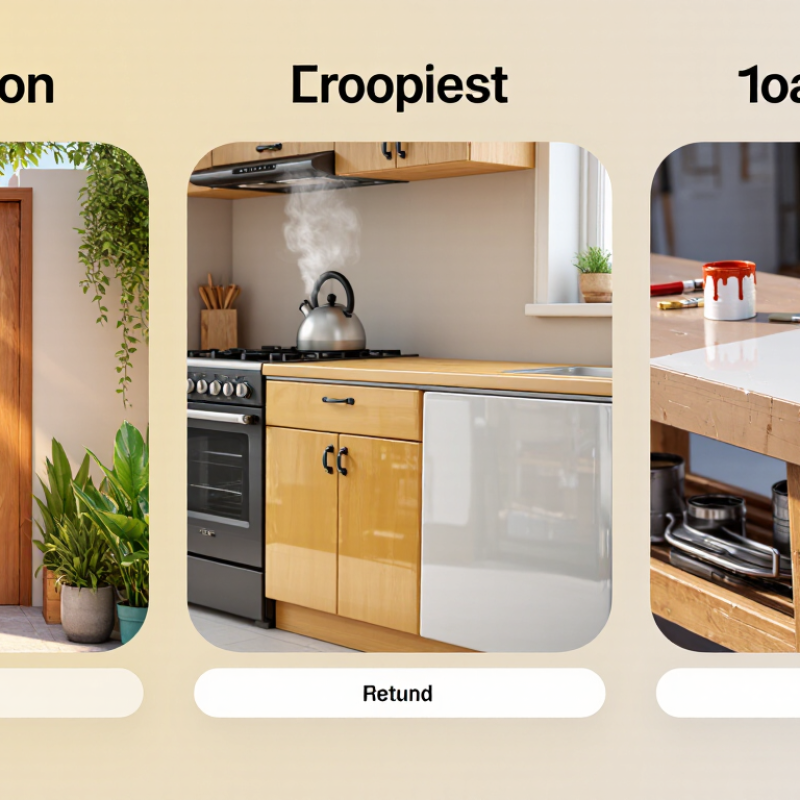
In 2026, choosing the best Acrylic Topcoat is less about finding one universal winner and more about matching the finish to its real conditions. A sunlit exterior door, a kitchen cabinet beside a steaming kettle, and a workshop bench face different demands. UV exposure, moisture, abrasion, substrate, and maintenance all matter. So does the look: a clear satin film can soften glare, while gloss makes color and surface flaws more visible.
The useful question is not simply, “Which topcoat is strongest?” It is, “Strongest against what?” Water-based acrylics often offer easier cleanup and lower odor during application. Solvent-based options may suit particular surfaces or performance needs, depending on the product. Formulas vary, so labels and technical data sheets deserve a close read. Check compatibility, application temperature, recoat time, and recommended surface preparation. A coating can fail because the surface was dusty, damp, or poorly prepared. That part is easy to overlook.
This guide compares Acrylic Topcoat types by durability, appearance, ease of use, and typical applications. It also considers trade-offs that product descriptions may gloss over, such as cure time and sensitivity to cleaners. One limitation matters: no source was provided for a verifiable quotation from a named coatings-industry expert, so attributing invented words would undermine trust. A sourced expert quote should be added before publication. The recommendations here should still be checked against each manufacturer’s current guidance and tested on a small, inconspicuous area. Some results surprise you.
Classify Acrylic Topcoats: 100% Acrylic, Acrylic-Urethane, and Hybrids
Acrylic topcoats fall into three useful groups, but “best” depends on the surface and exposure. 100% acrylic coatings generally retain color and flexibility well outdoors, making them practical for siding and trim exposed to sun and rain. Acrylic-urethane blends typically add hardness and resistance to scuffs or cleaners, useful on doors and frequently handled surfaces. Hybrids combine acrylic with another resin; their performance varies, so the label alone tells you little. Read the technical data sheet.
Use test evidence, not just a “durable” claim. ASTM D3359 evaluates coating adhesion using method-specific 0–5 rating scales. ASTM D4060 measures abrasion loss under defined test conditions, reported by mass. These figures help compare products tested the same way, but they do not predict every jobsite result. The USDA Forest Products Laboratory’s Wood Handbook, FPL-GTR-282 (2021), describes how moisture changes affect wood; on wood, that movement can stress a rigid film. A small detail matters: surface preparation and film thickness can shift results. No single winner. For an exposed exterior, favor tested weathering performance; for a busy interior, weigh abrasion and chemical resistance. I would still check the substrate and application instructions before choosing.
Compare Adhesion Using ASTM D3359’s 0A–5A Rating Scale
What Is the Best Acrylic Topcoat Type in 2026?
Compare Adhesion Using ASTM D3359’s 0A–5A Rating Scale
The best acrylic topcoat depends on the surface, exposure, and application method. To compare adhesion, ASTM D3359 Method A uses an X-cut and pressure-sensitive tape. Its scale runs from 0A to 5A. A 5A result means no coating is removed; lower ratings indicate increasing detachment around or beyond the cut. A high score is encouraging, but it does not prove a coating will resist sunlight, moisture, or abrasion.
Test fully cured samples on the actual substrate whenever possible. Apply the same film thickness and curing conditions to each sample. Then make the prescribed cuts, apply and remove the tape consistently, and inspect the result in good light. A rough surface or uneven cut can affect the rating. Small differences between tests may be easy to overinterpret, so repeat testing before choosing a topcoat. ASTM D3359 measures adhesion, not overall coating quality.
Tips: Record the substrate, preparation, cure time, and test conditions beside every rating. Compare like with like. If a sample scores poorly, check cleaning and surface preparation before changing the coating. A neat-looking panel can still fail at the cut.
What Is the Best Acrylic Topcoat Type in 2026? — Compare Adhesion Using ASTM D3359’s 0A–5A Rating Scale
There is no universally “best” acrylic topcoat for adhesion: results depend on the coating system, substrate, surface preparation, film thickness, and cure. The comparison below describes common system characteristics; it does not present invented ASTM test results.
| Acrylic topcoat type | Typical system description | Adhesion considerations | ASTM D3359 0A–5A comparison | Practical fit |
| Waterborne 1K acrylic | Single-component, waterborne acrylic film-forming coating. | Adhesion varies with substrate wetting, cleanliness, porosity, and whether a compatible primer is used. Allow the coating to dry and cure as specified before testing. | No generic rating applies. Test the complete coating system on the actual substrate. | A practical candidate for many general-purpose applications where a waterborne system is suitable. |
| Solventborne 1K acrylic | Single-component acrylic coating carried in an organic solvent. | Adhesion depends on the substrate and formulation; solvent compatibility with existing coatings or plastics must also be considered. | No generic rating applies. Record the method, substrate, preparation, and test conditions with the result. | May suit applications requiring a solventborne coating, subject to compatibility and site requirements. |
| 2K acrylic-polyurethane | Two-component system in which an acrylic component reacts with a curing component to form a crosslinked film. | Can be a strong candidate where a durable film is needed, but adhesion still depends on substrate preparation, primer compatibility, mixing, and cure. | Must be measured; crosslinking alone does not establish an ASTM D3359 rating. | Often worth evaluating for demanding applications when the substrate and full coating system are compatible. |
| Acrylic primer-and-topcoat system | A compatible primer is applied beneath an acrylic topcoat. | A suitable primer can improve bonding to a difficult substrate. The complete layer stack matters: failure may occur at any interface. | Test the complete system. A rating for the topcoat alone does not establish adhesion of the layered system. | Often the best route when direct application does not provide reliable adhesion. |
ASTM D3359 Method A rating scale
Method A uses an X-cut and reports ratings from 0A to 5A. These ratings describe the observed tape-test result—not an inherent rating for a coating type.
| Rating | General interpretation |
| 5A | No coating removal. |
| 4A | Only trace peeling or removal along the cuts or at their intersection. |
| 3A | Jagged removal along the cuts, extending farther from the intersection. |
| 2A | Noticeable peeling or removal along the cuts. |
| 1A | Significant coating removal in the X-cut area. |
| 0A | Removal extends beyond the X-cut area. |
Selection takeaway: For a demanding application, a 2K acrylic-polyurethane or a compatible primer-and-topcoat system may be a good starting point for evaluation. Choose based on testing of the actual substrate and full coating system. ASTM D3359 also includes Method B, which uses a cross-cut pattern; use the method appropriate to the coating and test setup, and report the method with the result.
Measure Gloss with ASTM D523 at 20°, 60°, or 85°
Acrylic topcoats can look different under the same workshop lights. The “best” choice depends on the target sheen, substrate, and viewing conditions. ASTM D523 measures specular gloss at 20°, 60°, and 85°. The 60° geometry is a practical general reference; 20° helps distinguish high-gloss finishes, while 85° is more useful for low-gloss surfaces. Small details matter.
For a fair comparison, test a flat sample after the coating has fully cured. Calibrate the gloss meter with its reference standard, then take readings at several clean spots. Keep the instrument aligned and use the same measurement geometry for every sample. Dust, fingerprints, uneven film thickness, and surface texture can all shift readings. Record the geometry beside each result; a gloss value without its angle can be misleading.
A higher number does not automatically mean a better topcoat. It describes reflected light, not scratch resistance, color stability, or how evenly the coating applied. Compare readings with visual checks under consistent lighting, and assess the coating on the actual substrate when possible. One limitation is easy to overlook: a small test panel may not show the variation found across a larger surface. That deserves a second look.
What Is the Best Acrylic Topcoat Type in 2026? — Measure Gloss with ASTM D523 at 20°, 60°, or 85°
There is no single best acrylic topcoat for every project. Choose the finish for the desired appearance, then select the ASTM D523 measurement angle that suits its gloss level.
The bars show the standard measurement geometries in degrees, not coating gloss readings. ASTM D523 uses 60° for general measurement, 20° for high-gloss surfaces, and 85° for low-gloss surfaces. Gloss results are reported in gloss units (GU); compare topcoat samples using the same angle and test conditions.
Assess Weathering with ASTM G154 UV and Condensation Exposure
What Is the Best Acrylic Topcoat Type in 2026?
Assess Weathering with ASTM G154 UV and Condensation Exposure
The best acrylic topcoat depends on the surface, application, and expected exposure—not a label alone. To compare candidates, use ASTM G154 testing with the same lamp type, irradiance, cycle, and exposure duration. The apparatus combines fluorescent UV exposure with moisture, often through condensation. Small changes in test conditions can affect results.
Inspect panels at set intervals. Look for fading, chalking, gloss loss, cracking, blistering, and adhesion changes. Photograph each panel under consistent lighting, and record both visual observations and measurements. Include an unexposed control. G154 helps compare weathering resistance; it does not predict an exact outdoor service life. Real exposure also involves factors the test may not reproduce, such as pollutants and temperature swings.
Tips: Match the test cycle to the coating’s intended use, and report the full conditions—not just total hours. Check edges and thin spots closely. Those details matter. If results are mixed, repeat the test before choosing; one trial can mislead, and that limitation is easy to overlook.
Select the Best 2026 Type by Substrate, Exposure, and VOC Rules
The best acrylic topcoat depends on what it must protect. For interior trim, a water-borne acrylic often suits clean, low-odor work and dries without the strong solvent smell. On metal, first check the primer and substrate compatibility; a topcoat cannot reliably fix poor adhesion. ASTM D3359 grades coating adhesion on a 0–5 scale, offering a practical check on a prepared test panel.
Exposure changes the choice. A sun-facing door or a rain-splashed sill needs stronger weathering resistance than a bedroom shelf. For exterior wood, seal edges and end grain, where water can enter; for metal, remove rust and grease before coating. A glossy finish may show scratches more clearly. That detail is easy to miss.
VOC limits depend on location and product category. The European Commission’s Paints Directive 2004/42/EC sets a 130 g/L limit for water-borne coatings in category A/d, including certain wood and metal trim paints. Confirm that the product actually falls within that category, then check local requirements and its technical data sheet. A lower-VOC option is not automatically the best-performing one. I would test a small area first; real substrates can be less cooperative than a neat specification suggests.





