2026 Best 3D Golf Mat for Home and Commercial Use
Choosing the right Golf Mat 3d means matching the surface to the golfer, the space, and the amount of daily use. A home setup may need a compact mat that stores easily, while a commercial teaching bay needs durable turf and stable footing. The differences show up quickly: a mat that shifts during a full swing, wears thin beneath the lead foot, or masks a poor strike can undermine practice. Feel matters.
Golf biomechanics specialist Dr. Paul Hurrion’s work offers a useful lens. In paraphrase: “Prioritize repeatable feedback over softness.” That is not a direct quotation; it reflects a practical principle for evaluating practice surfaces. A forgiving top layer can feel comfortable, but golfers also need to notice contact quality and maintain a balanced stance.
This guide compares 2026 options for home and commercial use, with attention to turf construction, base stability, hitting-area size, and maintenance. It also considers how tee compatibility and impact response affect real practice sessions. No mat suits every golfer. A product that works well for short daily sessions may not withstand a busy coaching studio, and a dense surface may feel firm underfoot. The right choice depends on who will use it, how often, and what kind of feedback they need. We’ll look at those trade-offs clearly, while recognizing that product specifications and personal feel should both be checked before purchase.
What Defines a 3D Golf Mat and How It Simulates Real Turf
2026 Best 3D Golf Mat for Home and Commercial Use
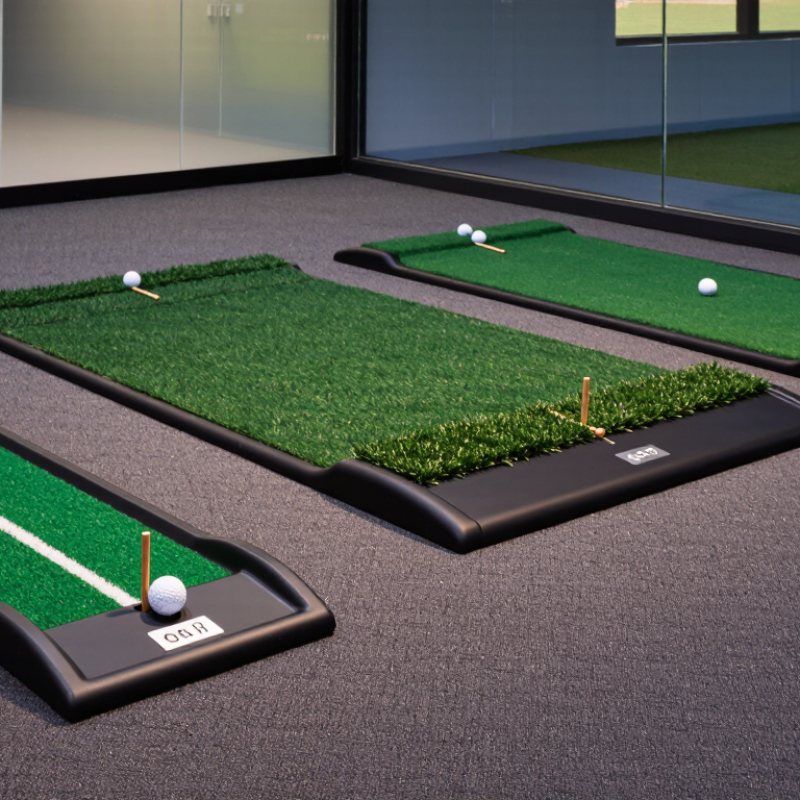
A 3D golf mat uses more than a flat, uniform hitting surface. Its layered construction and varied turf heights can create different lies, such as tight fairway grass or light rough. The term “3D” is not a universal technical standard, so check the mat’s actual surface design rather than relying on the label.
The upper fibers interact with the clubhead, while the backing and base provide support underfoot. Together, these layers can make shots feel more varied than they do on a basic mat. Some designs also include separate hitting zones, letting golfers practise from different textures. It is still a practice surface, not real turf. The bounce and resistance will not perfectly match every course. That difference matters.
Tips: Check the mat’s dimensions, stability, and lie options before choosing one. For home use, make sure it fits your swing area and stays firm on the floor. In a commercial setting, inspect the surface regularly for flattened fibers or loose edges. A small detail, but easy to miss.
Core Materials, Layers, and Performance Features
A 2026 golf mat should be judged by its layers, not by plushness alone. The National Golf Foundation’s 2024 participation report counted 28.1 million U.S. on-course golfers in 2023, with 45 million participating when off-course formats were included. These figures describe golfers, not mat sales, but they point to varied practice settings, from spare rooms to teaching bays. Use frequency matters.
A practical construction pairs a turf face with a resilient cushion layer and a dense, non-slip rubber base. Turf may use nylon or polyethylene fibers; ask about pile height, backing thickness, and how the layers are bonded. A replaceable hitting strip can help manage wear in commercial settings. Check that the base stays flat on the floor and that the tee area tolerates repeated impact. Not every swing feels natural. A thick mat can still feel oddly dead, and no product fully reproduces real turf. That trade-off deserves a test swing before purchase.
Differences Between Home and Commercial Golf Mat Requirements
A 3D golf mat for home use needs to fit the room, the golfer, and the practice routine. In a garage, a mat may sit on concrete, so a stable base and enough cushioning can reduce harsh impact. Check the hitting area, stance space, and room for a full swing before buying. Measure twice. A mat that feels spacious in a showroom may crowd a home setup.
Commercial mats face repeated use from golfers with different swings, shoes, and skill levels. Their surface should resist wear, while the backing stays flat under frequent foot traffic. Replaceable sections can help limit downtime when one area wears faster than others. That matters. Instructors may also need consistent ball placement and enough room for left- and right-handed players. Smooth transitions between mats can reduce trip hazards.
The biggest difference is often not thickness, but expected use. A home golfer may value easy storage and a comfortable feel; a busy facility may prioritize durability, stable installation, and simple maintenance. Ask how the mat performs after repeated strikes, and inspect the seams and edges. A thicker mat is not automatically better. It can feel too soft or change how the club meets the surface. I would still test one with the intended clubs and shoes, because specifications alone do not tell the whole story.
2026 Best 3D Golf Mat for Home and Commercial Use
Differences Between Home and Commercial Golf Mat Requirements
Relative requirement ratings use a 1–5 planning scale, where 5 indicates greater importance. These are qualitative comparisons, not standardized test results: commercial mats generally need to withstand heavier traffic and more frequent maintenance, while home users may prioritize comfort and easy storage.
How to Choose a 3D Golf Mat for Your Space and Skill Level
A 3D golf mat should fit your swing, room, and practice routine—not just look convincing. The National Golf Foundation reported 47.2 million U.S. golf participants in 2023, including on-course and off-course play (NGF, 2024). That broad participation makes home practice relevant, but it does not mean every golfer needs the same surface. Start with the space: measure your stance, backswing, and follow-through, then leave room for a safe swing. Tight room? A compact mat may work for wedges, but feel cramped with a driver. Check that the base stays flat and grips your floor. Small details matter.
Skill level should guide turf depth and impact feel. Beginners often benefit from a stable, forgiving surface that lets them repeat setup without the mat shifting. More experienced players may prefer distinct fairway and rough zones for varied lies. For commercial use, inspect the backing, edge seams, and replaceable hitting area; frequent use can expose weak construction quickly. The NGF participation figures describe interest, not mat performance, so treat them as market context—not proof that a particular design improves scores. Feel the difference. If possible, test several swings with your usual shoes and clubs. I still find that “realistic” feel is subjective; even a convincing mat can reward a poor strike if its fibers are too forgiving.
Setup, Maintenance, and Long-Term Durability Factors
Start with the floor, not the mat. A level, dry, firm base prevents rocking and uneven wear. Leave enough clearance for a full swing, and keep the hitting area away from damp walls or direct, prolonged sunlight. For shared spaces, mark the mat’s position so it can be reset consistently after cleaning.
The National Golf Foundation’s 2024 participation report counted 26.6 million U.S. on-course golfers and 18.4 million off-course-only golfers in 2023. That scale makes home and commercial practice relevant, but it does not predict mat life. Inspect the surface instead. Brush turf fibers regularly, remove grit with a vacuum, and wipe spills promptly with mild soap and water. Avoid harsh cleaners unless the maker’s care instructions approve them. Rotate the mat when wear concentrates around one stance or strike area. Check seams, edges, and the hitting strip each month; loose backing or a shifting base can affect both safety and swing feedback. Commercial bays need more frequent checks. There is no dependable universal lifespan: usage, footwear, cleaning, and storage all matter. A monthly log helps, though it can feel fussy. Keep one anyway.





