What are the Benefits of Using Rubber Hose for Industries?
In the industrial sector, the efficient choice of materials can significantly impact productivity. One such material is the Rubber Hose. According to John Smith, a leading expert in industrial supply, "Rubber hoses offer unparalleled flexibility and durability." This statement emphasizes the essential role rubber hoses play across various industries.
Rubber hoses are known for their versatility. They can withstand extreme temperatures and resist chemicals. This makes them suitable for many applications, from automotive to manufacturing. Yet, not all rubber hoses are created equal. Choosing the right type and quality remains crucial. Poor selection can lead to leaks or failures, posing risks to both safety and efficiency.
Moreover, maintenance is essential for maximizing the lifespan of rubber hoses. Regular checks can prevent potential issues. Companies must reflect on their practices to ensure they meet industry standards. Investing in quality and proper care can yield significant long-term benefits, including reduced downtime and increased productivity. Understanding the advantages of rubber hoses can ultimately lead to informed decisions and improved operational success.
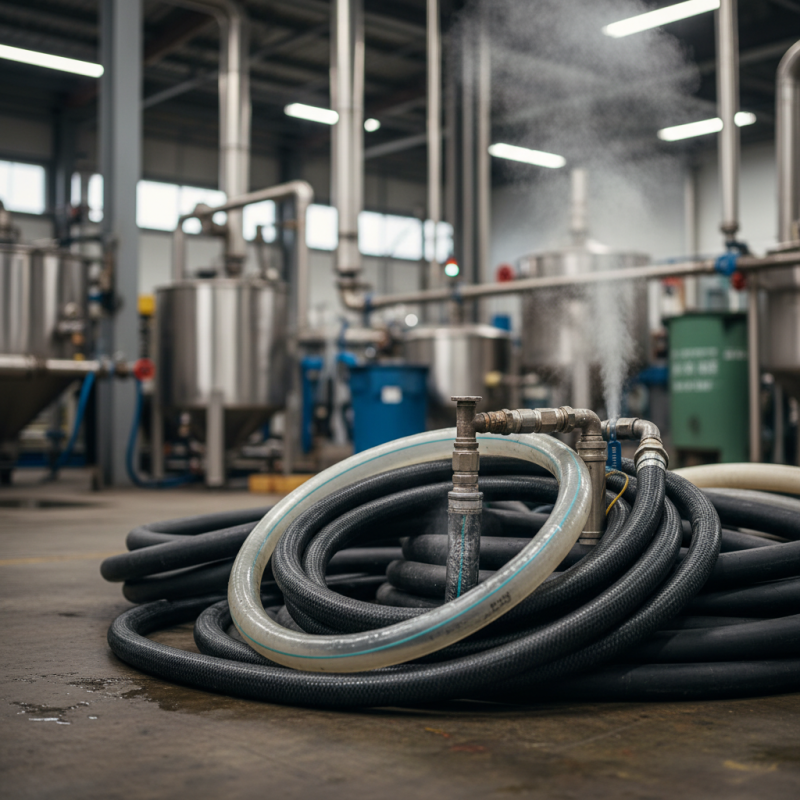
Benefits of Rubber Hose in Industrial Applications
Rubber hoses are widely used in various industries due to their numerous advantages. They are flexible, durable, and resistant to many chemicals. This makes them ideal for transporting fluids in manufacturing and agricultural applications. The flexibility of rubber hoses allows for easy maneuverability, which is essential in dynamic environments. Industries benefit from their ability to withstand high pressure and temperature variations without failing.
When selecting rubber hoses, consider their specific applications. Different materials and designs suit diverse industrial needs. For example, hoses designed for high-pressure applications often have reinforced structures. Ensure that the hose matches your fluid type to prevent chemical reactions that could lead to breakdown.
Tips: Always inspect hoses for wear and damage. Regular maintenance can extend their lifespan. Early detection of cracks or leaks prevents costly downtime.
Additionally, rubber hoses can be lightweight compared to metal alternatives. This feature often translates into reduced labor costs during installation. However, not all rubber hoses are created equal. Assessing the environment where they will be used is crucial for optimal performance. Evaluate the temperature and pressure to choose the right type.
What are the Benefits of Using Rubber Hose for Industries? - Benefits of Rubber Hose in Industrial Applications
| Benefit | Description | Application Area |
| Flexibility | Rubber hoses can bend and twist, allowing for easier routing in tight spaces. | Manufacturing, Agriculture |
| Durability | High resistance to abrasion, tear, and environmental factors, ensuring long service life. | Construction, Mining |
| Chemical Resistance | Can withstand various chemicals used in industrial processes without degrading. | Chemical Processing, Pharmaceuticals |
| Temperature Tolerance | Effective in a wide range of temperatures, maintaining integrity in extreme conditions. | Oil & Gas, Food Processing |
| Lightweight | Weights less than metal alternatives, facilitating easier handling and installation. | Construction, Automotive |
| Cost-Effectiveness | Lower initial cost and maintenance costs compared to metal hoses. | General Manufacturing |
Durability and Resistance of Rubber Hoses in Harsh Conditions
Rubber hoses are invaluable in various industries due to their remarkable durability and resistance. They thrive in harsh conditions, making them ideal for outdoor work sites. Extreme temperatures, moisture, and chemicals can affect many materials, but rubber hoses typically withstand these challenges. Their flexibility is another key trait, allowing them to navigate tight spaces without damage.
Tips: Always inspect hoses regularly. Look for cracks or wear signs. Proper maintenance enhances lifespan and performance.
When exposed to abrasive materials or harsh chemicals, rubber hoses maintain their integrity better than many alternatives. They resist scuffs and punctures, which is vital in industrial settings. However, not all rubber hoses are created equal; quality varies. Focusing on specifications and testing standards is essential before making a choice.
Tips: Store hoses away from direct sunlight. This simple step can prevent deterioration over time. Ensure that they are coiled properly without kinks, as this promotes longevity.
In certain environments, you might find rubber hoses less effective, especially if they are not designed for specific chemicals. Always consider the environment in which the hose will operate. Take time to evaluate your needs for maximum efficiency.
Cost-Effectiveness of Rubber Hoses Compared to Alternatives
Rubber hoses are becoming increasingly popular in various industries. They offer a level of cost-effectiveness that is hard to overlook. Traditional materials like metal and PVC can be more expensive and less flexible. This flexibility allows rubber hoses to adapt to tight spaces and intricate designs, which can reduce the need for additional fittings.
When considering the total cost of ownership, rubber hoses often prove to be more economical. Their durability means lower replacement rates. Unlike some alternatives, rubber hoses resist damage from abrasion and impact. This aspect can lead to significant savings over time. Maintenance costs are typically lower, as rubber hoses require less frequent checking and replacing.
However, not all rubber hoses are created equal. Quality can vary widely from manufacturer to manufacturer. This inconsistency can lead to issues if industries don’t perform due diligence. It is essential to evaluate options and choose products wisely. Making informed choices involves consulting experts and analyzing the needs of specific applications. With careful consideration, the financial benefits of rubber hoses can indeed outweigh their initial purchase price.
Flexibility and Ease of Handling in Various Industrial Settings
Rubber hoses have become essential in industrial applications due to their remarkable flexibility. In environments where movement is key, such as construction sites or manufacturing plants, rubber hoses can easily bend, twist, and stretch. This adaptability allows workers to maneuver hoses in tight spaces without the risk of kinking or breaking. According to a recent market analysis, industries that prioritize flexibility in their materials report a 15% increase in workflow efficiency.
Ease of handling is another notable benefit of rubber hoses. Lightweight and easy to grip, these hoses reduce the physical strain on workers. Many studies indicate that ergonomically designed tools, including hoses, can lower injury rates by up to 20%. When workers are equipped with manageable materials, their productivity naturally improves. This is critical in settings that require repeated movement throughout the day.
While rubber hoses offer significant advantages, not all are created equal. Some may wear out faster than others, especially in extreme environments. Regular maintenance and inspection are crucial. Unsuitable storage conditions can also lead to premature deterioration. Awareness of these factors can enhance safety and operational efficiency, enabling industries to make the most of rubber hoses in their daily tasks.
Benefits of Using Rubber Hose in Industries
Safety Features and Compliance of Rubber Hoses in Industries
Safety is a primary concern in industrial environments. Rubber hoses are designed with various safety features that help protect workers and equipment. These hoses are often shock absorbent, which minimizes the risk of damage during transportation of fluids or gases. Their flexibility allows for safer maneuvering in tight spaces, reducing the likelihood of accidents.
Compliance with industry regulations is crucial. Rubber hoses often meet specific safety standards established by organizations. These standards ensure that the hoses can withstand high pressures and extreme temperatures. Workers can rely on them to perform consistently under challenging conditions. However, it is essential to regularly inspect hoses for signs of wear. Even a small crack can lead to potentially hazardous leaks.
Maintaining hoses is not always straightforward. Some industries may neglect regular maintenance due to busy schedules. This oversight can compromise safety. It is important to prioritize inspections and replace damaged hoses without delay. A proactive approach minimizes risks and enhances safety in industrial settings. Adequate training on hose handling also is necessary, as knowledge gaps can lead to accidents that could have been avoided.





