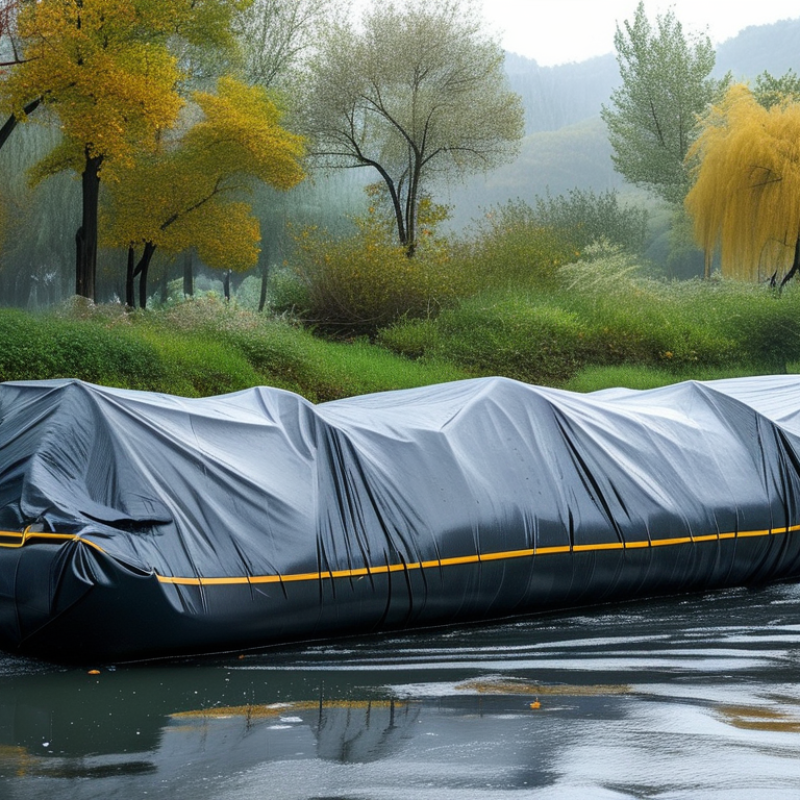
What Are the Benefits of Using Polyethylene Canvas for Your Needs?
Polyethylene Canvas is rapidly gaining popularity for various applications. This durable and versatile material is known for its strength and resistance to harsh conditions. Many industries rely on Polyethylene Canvas for outdoor equipment, tarps, and tents.
When selecting materials, it’s essential to consider not just performance but also longevity. Polyethylene Canvas offers excellent waterproofing, protecting contents from rain and moisture. Its lightweight nature makes it easy to handle and transport, which is a significant advantage for users.
Moreover, while Polyethylene Canvas is practical, some may overlook its environmental impact. Although it serves many purposes, reflecting on sustainable alternatives is beneficial. We should always strive for material choices that balance practicality and ecological responsibility. As the demand for Polyethylene Canvas grows, so does the responsibility to use it wisely.
Benefits of Polyethylene Canvas in Various Applications
Polyethylene canvas is becoming increasingly popular in various applications. Its water resistance makes it an excellent choice for outdoor gear. For example, campers often use it for tarp covers. These tarps can protect gear from rain and moisture. This durability is a significant advantage. However, not all polyethylene canvas is created equal. Manufacturers vary, so quality may differ.
Another area where polyethylene canvas shines is in agriculture. Farmers utilize it for greenhouse coverings and crop protection. It allows sunlight through while keeping pests away. The lightweight nature makes installation easy. But, some users note potential issues with longevity. It can wear out under extreme conditions. Regular inspections can help mitigate this risk.
In construction, polyethylene canvas serves as a reliable solution. It’s often used as a temporary shelter or protective covering. This versatility is appealing to contractors. Yet, weight considerations can be tricky. A heavier canvas may last longer but can be cumbersome to handle. Balancing the weight and durability is essential in this field.
Durability and Longevity of Polyethylene Canvas Materials
Polyethylene canvas materials are known for their impressive durability and longevity. These materials withstand harsh weather conditions far better than many alternatives. They resist tearing, fading, and water damage, making them ideal for outdoor applications. Whether used for tarps, tents, or covers, polyethylene canvas delivers consistent performance over time.
In addition to strength, polyethylene canvas is lightweight, which enhances its usability. Users often find it easy to handle and transport. This versatility makes it a favorite for both commercial and personal projects. However, the production process of polyethylene raises environmental concerns. Despite its longevity, the persistence of plastic in ecosystems is significant.
Therefore, while polyethylene canvas offers undeniable benefits, it's essential to consider its environmental impact. Sustainable options may exist that provide similar durability without adverse effects. Reflecting on both the advantages and challenges of polyethylene canvas helps users make informed choices.
Water Resistance and Weatherproof Features of Polyethylene Canvas
Polyethylene canvas is gaining popularity due to its exceptional water resistance and weatherproof features. This material is designed to withstand heavy rain and harsh elements. Its waterproof nature ensures that your belongings stay dry even in the most adverse weather conditions. This makes it ideal for outdoor applications, such as tarps, tents, and covers.
Choosing polyethylene canvas can also enhance the longevity of your outdoor gear. The fabric resists mold and mildew, which are common issues in damp environments. This durability can save you money over time, as you will not frequently replace damaged items.
When utilizing polyethylene canvas, consider the environment it will face. If you live in an area with extreme weather, make sure to pick a thicker grade of canvas. Regularly check the seams and edges for wear, as these areas are prone to damage. For best results, clean the canvas periodically to maintain its waterproof properties.
Benefits of Using Polyethylene Canvas
This chart illustrates the key benefits of polyethylene canvas, focusing on its water resistance and weatherproof features. The data shows the percentage of users who appreciate various properties of polyethylene canvas, highlighting its versatility across different applications.
Cost-Effectiveness and Maintenance of Polyethylene Canvas Products
Polyethylene canvas has become a popular choice for various applications, thanks to its cost-effectiveness and ease of maintenance. Its affordability often attracts businesses and homeowners alike. The material is less expensive compared to traditional canvas materials. Many industries utilize polyethylene for tarps, tents, and covers. This versatility makes it a practical option for diverse needs.
Maintaining polyethylene products is relatively simple. They can be cleaned with soap and water, making them user-friendly. Unlike other materials, polyethylene does not require special cleaning agents. However, some users note that prolonged exposure to UV light can lead to degradation. Although it holds up well against moisture, it is important to monitor its condition periodically. This proactive approach ensures that products remain functional over time.
While polyethylene canvas presents several benefits, it is essential to recognize its limitations. Users should understand its durability may vary based on quality and environmental factors. The initial cost savings could be offset by potential replacements if not properly cared for. Balancing cost-effectiveness with long-term reliability requires careful consideration. By weighing these aspects, users can make informed decisions tailored to their specific needs.
Versatility of Polyethylene Canvas in Industrial and Recreational Uses
Polyethylene canvas is an exceptional material that serves many purposes in both industrial and recreational settings. Its strength and durability make it a popular choice for tarps, tents, and awnings. For industries, this canvas withstands harsh weather and heavy usage. This durability can lead to reduced replacement costs, but it can also present challenges if not maintained properly. Users must inspect it regularly to ensure its integrity.
In recreational uses, polyethylene canvas has remarkable versatility. It adapts well to diverse activities, like camping, sports, or outdoor events. Tents made of this material can be waterproof yet breathable, providing comfort during any outing. However, some campers find that lighter materials may be more convenient for transport. Balancing weight and durability is a common dilemma among outdoor enthusiasts.
The availability of various colors and patterns adds appeal, enhancing aesthetics for both uses. Customization options are plentiful, allowing for tailored solutions. However, it’s important to consider the environmental impact of production and disposal. Users might reflect on how extended use of polyethylene canvas fits into sustainable practices. In exploring this material, understanding its benefits and drawbacks can greatly enhance informed decisions.
What Are the Benefits of Using Polyethylene Canvas for Your Needs? - Versatility of Polyethylene Canvas in Industrial and Recreational Uses
| Category | Benefit | Application |
| Industrial | Durability | Tarps and Covers |
| Recreational | Water Resistance | Camping Gear |
| Agricultural | Weather Protection | Crop Covers |
| Marine | Mold Resistance | Boat Covers |
| Construction | Flexibility | Site Protection |
| Transportation | Lightweight | Tarps for Trucks |