What Are the Benefits of Using Plate Heat Exchangers?
Plate Heat Exchangers (PHEs) have become essential in various industries, particularly in energy and process engineering. According to a report by the Global Market Insights, the plate heat exchanger market is set to reach USD 8 billion by 2026, reflecting the growing demand for energy-efficient and compact solutions. These devices offer a significant advantage in thermal efficiency compared to traditional heat exchangers.
Their design allows for a larger surface area in a smaller footprint, facilitating efficient heat transfer with minimal energy loss. In applications ranging from HVAC systems to chemical processing, PHEs can effectively handle a wide range of temperatures and pressures. However, they are not without challenges. Issues such as fouling can diminish efficiency, requiring careful operational monitoring.
Choosing the right material and design for a specific application is crucial. Some industries may overlook this, leading to suboptimal performance. Despite these considerations, the advantages of PHEs, such as lower energy consumption and heightened operational reliability, position them as a vital technology in the pursuit of sustainability and efficiency.
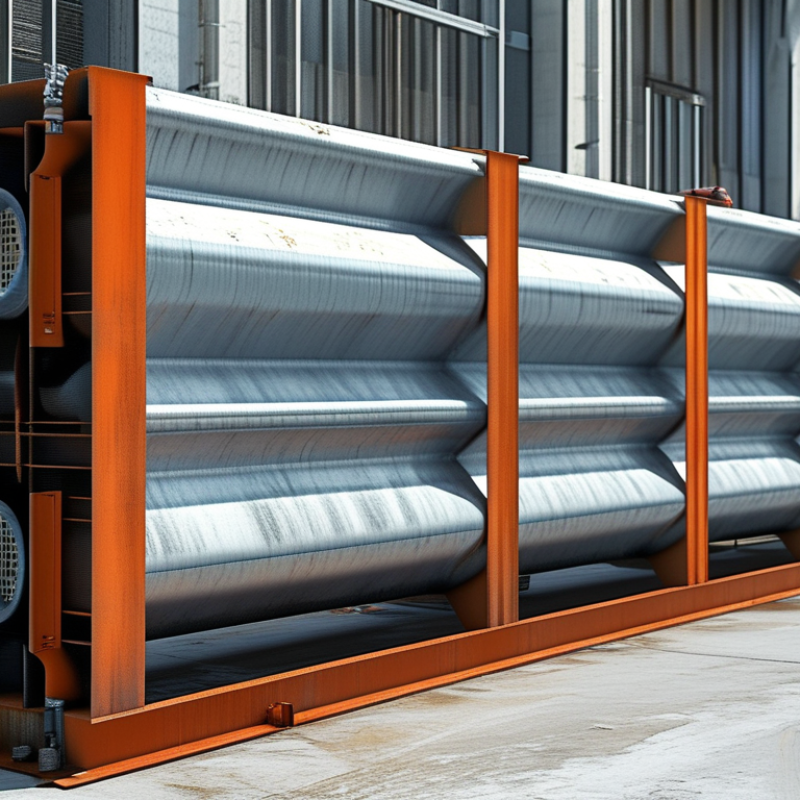
Understanding Plate Heat Exchangers: An Overview of Their Design
Plate heat exchangers are essential components in various industries. Their design centers around efficiency and compactness. They consist of multiple thin plates stacked together, creating channels for fluids. This structure allows for a large surface area in a small footprint. The result is enhanced heat transfer between two fluids, making them ideal for heating and cooling applications.
The process begins when one fluid flows through one channel, while another enters an adjacent channel. The plates facilitate heat exchange, allowing energy to move from the hotter fluid to the cooler one. These units are often more efficient than traditional shell-and-tube exchangers. Additionally, they are easier to maintain due to their accessible design.
However, implementing plate heat exchangers is not without challenges. Proper selection of materials is critical. Fluids that cause corrosion or fouling can diminish performance. Regular inspection and maintenance are vital. Operators must monitor flow rates and temperature differentials consistently. These considerations remind us that while plate heat exchangers are effective, their performance relies heavily on proper operation and upkeep.
Benefits of Using Plate Heat Exchangers
Key Advantages of Plate Heat Exchangers in Thermal Management
Plate heat exchangers have gained popularity in thermal management applications. Their compact design greatly improves heat transfer efficiency. These units are typically made from thin metal plates. This design allows for a large surface area in a small footprint. As a result, they occupy less space than traditional heat exchangers.
One key advantage is their versatility. Plate heat exchangers can handle various fluids, including corrosive and viscous ones. This adaptability makes them suitable for industries like food processing, pharmaceuticals, and HVAC. Efficient thermal regulation is crucial here. By minimizing energy consumption, these systems help reduce operational costs.
However, there are some challenges in using plate heat exchangers. Maintenance can be more complex than in shell-and-tube designs. Periodic disassembly is necessary for cleaning and inspection. This process may cause downtime, impacting productivity. Users must weigh these factors against the benefits to determine the best solution for their needs.
What Are the Benefits of Using Plate Heat Exchangers? - Key Advantages of Plate Heat Exchangers in Thermal Management
| Advantage | Description | Application Areas |
| High Efficiency | Plate heat exchangers have a large surface area that results in increased heat transfer efficiency. | HVAC systems, process industries |
| Compact Design | Their design is space-saving due to their thin plates, allowing for installations in limited spaces. | Buildings, manufacturing processes |
| Easy Maintenance | The design allows for easy disassembly and cleaning, reducing downtime. | Food and beverage, chemical processing |
| Versatile Applications | Applicable for various fluids and processes, including heating, cooling, and waste heat recovery. | Power generation, oil and gas |
| Energy Savings | High thermal efficiency leads to reduced energy consumption compared to traditional exchangers. | Industrial processes, district heating |
Energy Efficiency Improvements through Plate Heat Exchanger Use
Plate heat exchangers (PHEs) are increasingly recognized for enhancing energy efficiency in various industrial and commercial applications. They provide significant advantages over traditional heat exchangers. According to a 2021 report by the U.S. Department of Energy, plate heat exchangers can achieve thermal efficiencies exceeding 90%. This level of efficiency translates to decreased energy consumption, reducing operating costs while minimizing environmental impact.
The compact design of plate heat exchangers allows for higher heat transfer rates. In many cases, they occupy less space, making them ideal for facilities facing constraints. The design promotes better fluid dynamics, resulting in improved heat transfer compared to shell-and-tube systems. However, some engineers highlight that improper maintenance can lead to fouling, hindering performance. Regular cleaning schedules can help mitigate these issues, ensuring optimal energy use.
PHEs adapt well to changing needs in processing industries. Their modular nature allows easy adjustments to increase capacity or modify configurations. This versatility is crucial as industries strive to meet evolving energy standards. Nonetheless, careful selection and sizing remain critical to avoid inefficiencies and operational challenges. Understanding these factors can lead to a more sustainable and energy-efficient future.
Applications of Plate Heat Exchangers in Various Industries
Plate heat exchangers have become essential in various industries. Their efficiency and compact design make them ideal for many applications. In the food processing sector, they cool and pasteurize liquids. This ensures safety and quality, crucial for consumer products. Additionally, they use less space than traditional exchangers, allowing easier facility upgrades.
In the energy sector, plate heat exchangers are vital for managing heat in power plants. They transfer heat between fluids without mixing them. This makes them perfect for both cooling and heating processes. The chemical industry also benefits from these exchangers. They can handle aggressive fluids and provide effective thermal management.
Despite their benefits, some users face challenges. Maintenance can be complex, especially if the plates become fouled. Understanding how to clean and maintain them is vital for long-term operation. Many operators learn by experience, emphasizing the need for training. Ensuring system reliability is always a work in progress.
Maintenance and Longevity Considerations for Plate Heat Exchangers
Plate heat exchangers are efficient tools in various industries. However, maintenance is vital for their longevity. Regular inspection can prevent unexpected failures. Cleaning is essential since fouling can reduce efficiency. During maintenance, check gaskets and seals for wear or damage. Even small leaks can compromise effectiveness.
Proper usage also influences longevity. Operating within design specifications is crucial. Overloading a heat exchanger can lead to structural failures. Monitoring flow rates and inlet temperatures helps maintain optimal performance.
It is also wise to keep detailed records of maintenance activities. This documentation aids in identifying patterns and potential issues.
While plate heat exchangers are durable, they are not immune to wear and tear. Operators should remain vigilant about signs of degradation. Scheduled maintenance may not catch every issue. Routine monitoring can help detect subtle changes. Addressing these can extend the life of your equipment significantly. Regular training for personnel on best practices is beneficial.





