Top Benefits of Using Hydraulic Seal for Your Projects?
In numerous industrial applications, the use of hydraulic seals is crucial for ensuring system efficiency. A hydraulic seal is designed to prevent fluid leakage. This functionality plays a key role in protecting machinery and extending equipment life. By using hydraulic seals, projects can achieve better performance and reduced maintenance costs.
Consider the operating environment of hydraulic systems. High pressure and variable temperatures can cause wear and tear on seals. The right hydraulic seal can withstand these challenges, maintaining system integrity. Proper selection and installation are essential, as not all seals are created equal.
Using hydraulic seals requires expertise and attention to detail. Even a minor oversight during installation can lead to leaks. This reality highlights the importance of choosing seals from reputable manufacturers. Hydraulic seals play a pivotal role in the success of projects, offering both durability and reliability. Their benefits extend beyond just preventing leaks; they contribute to overall operational excellence.
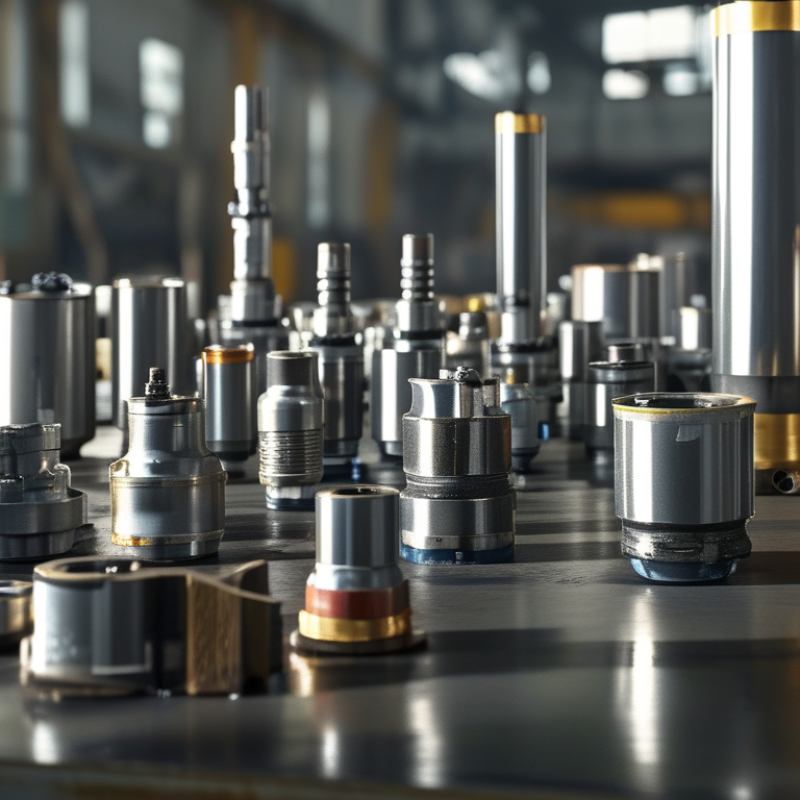
Advantages of Hydraulic Seals in Fluid Power Systems
Hydraulic seals are essential components in fluid power systems. They are primarily designed to prevent fluid leakage and protect critical machinery parts. This functionality is crucial for maintaining the efficiency of hydraulic systems. These seals create a reliable barrier that withstands high pressure. This ensures that hydraulic fluid stays where it's needed.
Another advantage of hydraulic seals is their durability. They can endure harsh conditions and resist wear and tear. It is critical in environments where fluctuations in temperature and pressure occur. Many projects benefit from reduced maintenance costs due to fewer leaks. Equipment can operate smoothly, leading to longer service life. Properly selected seals can significantly enhance system performance.
However, choosing the right hydraulic seal is challenging. Not all materials perform equally under specific conditions. It requires knowledge and experience to make informed decisions. Some projects may experience unexpected seal failure. This can lead to operational interruptions and additional costs. Ongoing evaluation and adjustment in seal usage can be necessary for optimal results. Demands on seal performance will likely evolve with technology.
Enhanced Durability and Performance of Hydraulic Seals
Hydraulic seals play a crucial role in the performance of hydraulic systems. Their main job is to prevent leaks while maintaining pressure. According to industry reports, over 30% of hydraulic failures are attributed to inadequate sealing solutions. This highlights the importance of choosing high-quality hydraulic seals for long-lasting equipment performance.
One of the significant benefits of hydraulic seals is their enhanced durability. Many seals are designed to withstand extreme temperatures and pressures. For instance, seals made from advanced materials can endure temperatures ranging from -40°C to over 200°C. This durability not only extends the life of the seals but also improves the overall efficiency of the hydraulic systems.
Moreover, the superior performance of hydraulic seals can lead to reduced maintenance costs. A well-functioning seal minimizes the risk of hydraulic fluid leaks, which, if left unaddressed, can lead to extensive system damage. It is worth noting that studies show that replacing a single hydraulic seal can save businesses about 15% in repair costs. However, not every seal performs as intended. Poor selection or installation can still lead to failures. Therefore, understanding the specific requirements of a project remains vital.
Cost-Effectiveness of Using Hydraulic Seals in Projects
Hydraulic seals are essential in various projects, offering significant cost advantages. One study indicates that improper sealing can lead to a loss of up to 30% in operational efficiency, resulting in increased expenses. Adopting hydraulic seals can mitigate these losses. They create a reliable barrier against leaks and reduce the need for constant maintenance, ultimately lowering overall project costs.
In addition to direct cost savings, hydraulic seals can enhance equipment reliability. A robust sealing solution can extend the lifespan of machinery, reducing capital expenditures over time. According to industry data, projects that integrate high-quality hydraulic seals report a decrease in downtime by approximately 25%. This correlates with higher productivity, allowing teams to meet deadlines more efficiently.
When selecting hydraulic seals, consider the specific environmental conditions of your project. Moisture, temperature, and pressure can significantly affect seal performance. Improper seal choice may lead to premature failures. Regular assessments of seal integrity can enhance system longevity. These insights can improve your project's bottom line.
Top Benefits of Using Hydraulic Seal for Your Projects
| Benefit | Description | Cost-Effectiveness |
| Durability | Hydraulic seals are designed to withstand high pressure and temperature, resulting in a longer lifespan. | Reduced maintenance costs over time due to fewer seal replacements. |
| Leak Prevention | Effective at preventing fluid leakage, ensuring consistent performance and safety in machinery. | Minimizes losses from fluid leaks, enhancing overall cost savings. |
| Versatility | Can be used in various applications across industries including automotive, aerospace, and manufacturing. | Fewer types of seals needed, reducing inventory costs. |
| Efficiency | Optimizes system performance by maintaining pressure and reducing energy consumption. | Lower energy costs lead to significant savings in long-term operations. |
| Reduced Noise | Minimizes noise and vibrations, resulting in a quieter operational environment. | Lowered noise levels can lead to decreased labor costs and improved working conditions. |
Improved Efficiency in Machinery with Hydraulic Seals
Hydraulic seals play a critical role in the efficiency of machinery. These seals minimize fluid leakage and maintain pressure in hydraulic systems. This leads to seamless operation across various applications. When properly installed, hydraulic seals can drastically reduce downtime. A well-functioning system translates to increased productivity and less maintenance.
However, not every project benefits equally from hydraulic seals. Sometimes, improper selection can lead to failures. Understanding pressure ratings, temperatures, and compatibility with fluids is essential. Regular checks on the condition of hydraulic seals are necessary to avoid sudden breakdowns. Machinery operators should be cautious and proactive, addressing wear and tear before they escalate.
Incorporating quality hydraulic seals can greatly enhance operational efficiency. They facilitate smooth movement and reduce energy consumption. Even slight improvements can have significant effects on overall performance. When choosing seals, it is vital to consider the specific application. Each project may demand a tailored approach to achieve the best results.
Top Benefits of Using Hydraulic Seal for Your Projects
Versatility and Adaptability of Hydraulic Seals Across Industries
Hydraulic seals play a crucial role in many industries, showcasing impressive versatility and adaptability. These seals are found in hydraulic cylinders, pumps, and other machinery. Industries ranging from automotive to aerospace rely on them for their efficiency. By forming a tight seal, they prevent fluid leaks and ensure smooth operation. This functionality leads to better performance and reduced downtime.
The materials used in hydraulic seals contribute to their adaptability. They can be made from rubber, plastic, or metal composites. Each material serves different environments, whether high temperatures or corrosive fluids. This ensures that projects can maintain performance standards across various applications. However, selecting the right type can be challenging. A mismatch may lead to seal failure and costly repairs. Investing time in understanding these options is essential.
Moreover, the installation of hydraulic seals requires careful attention. Poor installation can lead to premature wear or failure. Learning how to install them properly can save time and resources in the long run. Knowledge of best practices ensures a stable and efficient operating environment. Thus, understanding the versatility of hydraulic seals is vital for project success.





