Top 5 Benefits of Using Carbon Fiber Rods for Your Projects?
Carbon Fiber Rods have transformed various industries through their unique properties. These lightweight, yet incredibly strong materials are revolutionizing construction, aerospace, and automotive applications. Their benefits extend beyond mere strength; they offer remarkable resistance to corrosion and fatigue, making them a reliable choice for long-lasting projects.
When professionals choose Carbon Fiber Rods, they tap into a realm of innovation. These rods are engineered with precision, providing specific advantages in strength-to-weight ratio. This means that while they are durable, they don't add unnecessary weight to projects. However, considering their high cost compared to traditional materials is essential for budget-conscious projects.
Innovative applications highlight the adaptability of Carbon Fiber Rods. From sports equipment to architectural components, these rods enhance performance and durability. Some may find the aesthetic appeal lacking, but the functional benefits often outweigh such concerns. As we explore the top benefits, it's crucial to recognize both the advantages and potential limitations of Carbon Fiber Rods.
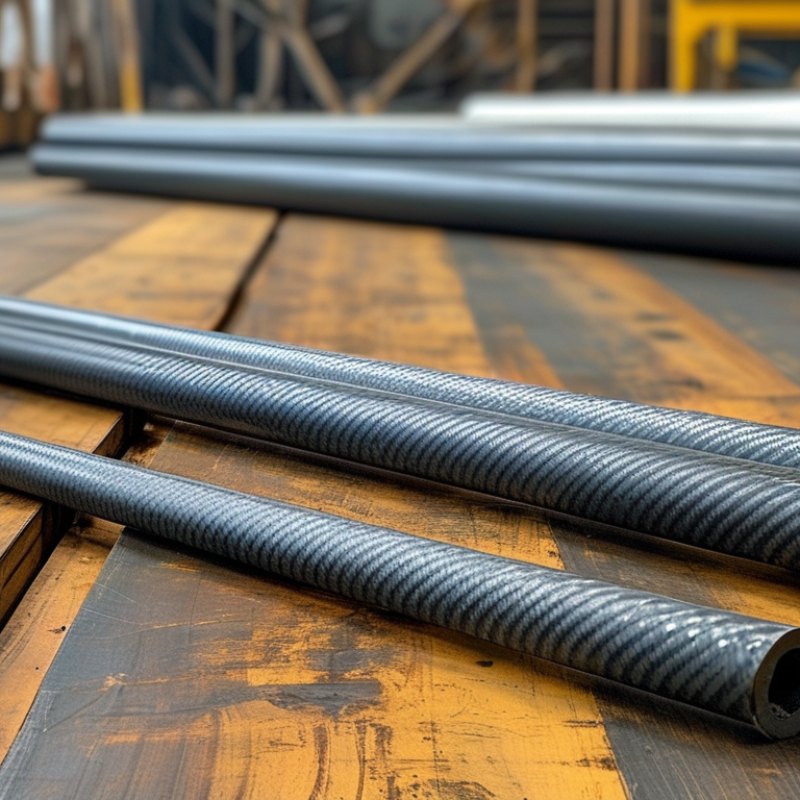
Advantages of Carbon Fiber Rods: An Overview
Carbon fiber rods have become increasingly popular in various industries due to their exceptional properties. One of the most notable advantages is their strength-to-weight ratio. According to a report by MarketsandMarkets, carbon fiber composites can be up to five times stronger than steel while being significantly lighter. This makes them ideal for applications that require durability without sacrificing weight. In aerospace and automotive sectors, engineers have been leveraging this property to enhance performance and efficiency.
Another appealing feature is the corrosion resistance of carbon fiber rods. They do not rust or corrode, making them suitable for outdoor or marine environments. This longevity reduces maintenance costs and enhances the life expectancy of projects. A study by the Composites Industry Association noted that using carbon fiber can increase service life by over 200% compared to traditional materials. This translates into lower repair costs and reduced downtime, which can be critical for businesses relying on performance.
Despite their benefits, some challenges remain. The initial cost of carbon fiber materials can be a barrier for smaller projects or companies. Additionally, the production process can be complex, requiring advanced technology and expertise to ensure high-quality output. Artisans and manufacturers need to weigh these factors against the long-term gains. The decision to use carbon fiber should consider not just the immediate advantages but also the overall investment in skill and technology necessary to exploit these unique properties fully.
Top 5 Benefits of Using Carbon Fiber Rods for Your Projects
Carbon fiber rods offer several advantages that can significantly enhance your projects. This chart represents the benefits of carbon fiber rods based on a scoring system from 1 to 10, highlighting their key qualities such as lightweight, high strength, and corrosion resistance.
Lightweight Properties and Their Impact on Project Efficiency
Utilizing carbon fiber rods in projects presents significant advantages, particularly due to their lightweight properties. These rods, made from carbon filaments, deliver remarkable strength without the burden of excess weight. This feature is crucial in industries where every gram counts, such as aerospace or automotive applications. For engineers and designers, the reduction in material weight can lead to enhanced project efficiency. It allows for easier handling and installation, minimizing labor time and costs.
When considering the integration of carbon fiber rods, it's essential to weigh both benefits and potential drawbacks. While they offer excellent tensile strength, their brittleness can be a concern in certain applications. Users may need to adjust their designs to accommodate this property, which could introduce new challenges. Additionally, the cost of carbon fiber materials often exceeds that of traditional options. This may require careful budgeting and planning in project proposals. Nevertheless, the long-term efficiency gains often justify these initial hurdles, fostering innovation across various fields.
Strength and Durability: How Carbon Fiber Outperforms Other Materials
Carbon fiber rods have emerged as a game-changer in various industries, primarily due to their impressive strength and durability. In fact, carbon fiber boasts a tensile strength of approximately 400,000 psi, significantly higher than steel, which averages around 60,000 psi. This remarkable property allows structures utilizing carbon fiber to withstand higher stresses and impacts, making them ideal for applications like aerospace and automotive engineering. Data from the Composites Market Report indicates that the carbon fiber market is projected to exceed $30 billion by 2025, highlighting its growing preference among engineers and designers.
While the advantages of carbon fiber are evident, it comes with some challenges. The manufacturing process can be costly and requires specialized handling. Additionally, although carbon fiber is resistant to corrosion, it can be more brittle than traditional materials. This brittleness can lead to catastrophic failures if not properly accounted for in design. Engineers must carefully consider these factors to fully harness the benefits of carbon fiber while mitigating risks. Studies show that making these informed decisions can enhance performance significantly compared to using conventional materials.
Chemical Resistance: Benefits for Harsh Environments and Applications
Carbon fiber rods offer significant advantages in harsh environments, especially concerning chemical resistance. These materials are inherently resilient against many corrosive agents. This makes them ideal for projects in industries like marine and chemical processing where exposure to aggressive substances is common. The ability to withstand harsh chemicals without degrading enhances the longevity of projects. Users can expect low maintenance and reduced replacement costs, as carbon fiber does not rust or corrode.
Another key feature is the stability of carbon fiber under extreme conditions. It retains its strength and structural integrity even when exposed to acids, solvents, or high temperatures. This is particularly valuable in fields requiring reliability, such as aerospace or construction. Engineers and project managers find peace of mind knowing that their materials can endure variations in the environment. However, one should consider compatibility with specific chemicals, as not all formulations guarantee performance. Testing in real-world scenarios is essential for ensuring optimal results. This thoughtful approach can help identify potential challenges early on, allowing for more effective solutions in project design and implementation.
Cost-Effectiveness: Long-Term Value of Investing in Carbon Fiber Rods
Investing in carbon fiber rods can yield substantial long-term value. These rods are lightweight yet incredibly strong, making them ideal for various projects. While the initial cost may seem high, the durability and performance far outweigh the initial expense. For instance, they resist corrosion and do not easily fatigue like metals. This means fewer replacements over time.
Consider the implications for your project. Imagine reducing maintenance costs by utilizing materials that withstand harsh conditions. At times, customers overlook the potential for savings that carbon fiber can provide. The lower lifecycle cost compared to traditional materials is significant. Even small projects can benefit from these efficient solutions.
It's essential to reflect on how we prioritize material choices. Are you investing wisely? We must shift our mindset toward sustainable options that offer longevity. Carbon fiber rods can contribute to this shift, aligning performance with smart financial decisions. The real question lies in how effectively we leverage these materials for future projects.





