What Are the Benefits of Using a CNC Milling Center?
In today's manufacturing landscape, the use of a Cnc Milling Center has transformed production processes. Renowned expert in precision machining, Dr. Emily Carter, emphasizes, "CNC Milling Centers enhance efficiency and precision in ways traditional methods cannot." This statement underscores the profound impact these machines have on various industries.
CNC Milling Centers provide remarkable benefits. They streamline workflows and reduce errors significantly. These machines allow manufacturers to achieve intricate designs that are often impossible with manual methods. Enhanced speed and accuracy lead to decreased production times. However, the initial investment can be daunting for small businesses.
The reliability of a CNC Milling Center is undeniable. Yet, there is a learning curve for operators. Mastering these machines may require thorough training and real-world experience. Despite potential pitfalls, the advantages often outweigh these challenges. Embracing CNC technology is essential for staying competitive in the evolving market.
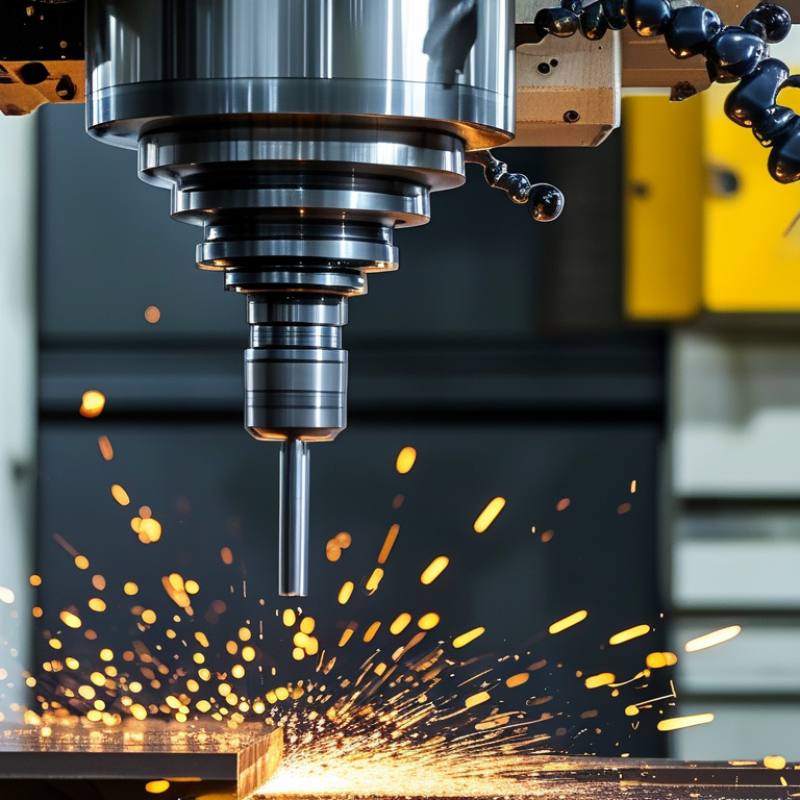
Overview of CNC Milling Centers and Their Functionality
CNC milling centers are vital in modern manufacturing. They enable precise machining of various materials, ensuring high accuracy. According to a recent industry report, the CNC milling market is projected to reach $10 billion by 2025. This growth underscores the importance of these centers in enhancing production efficiency.
CNC milling centers utilize computer-controlled design. This technology allows for intricate designs that manual machining struggles to achieve. Operators can create complex geometries with ease. This level of precision minimizes waste, ultimately saving costs. Moreover, CNC machining reduces human error, leading to improved quality control. However, the initial setup and programming can be challenging.
Another beneficial aspect is the flexibility of CNC milling centers. They can process diverse materials like metals, plastics, and composites. Yet, while versatility is a strength, it requires a skilled workforce. Workers must adapt to different processes and tools. This constant need for skill enhancement can be a drawback. In industries where time and cost are critical, this need for ongoing training must be considered.
What Are the Benefits of Using a CNC Milling Center?
| Benefit | Description |
| Precision | CNC milling centers provide high precision machining, ensuring tight tolerances and consistency in production. |
| Increased Efficiency | Automating processes minimizes manual labor and reduces time in production, leading to faster turnaround times. |
| Flexibility | CNC milling centers can handle a wide range of materials and can be easily adjusted for different designs and specifications. |
| Cost-Effectiveness | Despite high initial investment, CNC technology leads to reduced production costs and waste over time. |
| Quality Control | Consistent output allows for better quality control, ensuring products meet required standards and specifications. |
| Complex Geometries | CNC milling can produce intricate designs that are difficult or impossible to achieve with manual machining. |
Precision and Accuracy Advantages of CNC Milling
CNC milling centers are a game-changer in manufacturing, delivering remarkable precision and accuracy. According to recent industry reports, precision machining can achieve tolerances as tight as ±0.001 inches. This level of accuracy significantly reduces errors and material wastage, which is crucial for profitability. Companies that utilize CNC technology often report increased productivity, with some achieving up to 30% more output compared to traditional methods.
The key benefit of precision in CNC milling lies in its ability to replicate complex geometries with consistency. This is particularly important in industries like aerospace and automotive, where specifications are stringent. A report from a manufacturing association indicated that over 70% of CNC users noted improved product quality due to fewer defects. It's clear that having precise measurements doesn't just ensure better components; it fosters trust between manufacturers and their clients.
Tips: Regular maintenance of CNC milling machines can enhance their performance. Calibration is vital to maintain accuracy. Also, investing in high-quality tooling can further improve the precision of end products. Remember, even minor misalignments can lead to significant issues over time. Continuous monitoring and adjustments can help mitigate these risks.
Cost Efficiency and Time Savings in Manufacturing Processes
CNC milling centers are crucial in modern manufacturing. Their design optimizes precision, leading to fewer errors. This efficiency translates to cost savings. A study by Smith and Associates shows that using CNC technology can reduce production costs by up to 30%. Time savings are equally impressive.
By automating machining processes, CNC milling centers can complete tasks that manual methods could not achieve in the same timeframe. According to Manufacturing Trends Report 2023, companies reported a 25% decrease in lead time after adopting CNC machining. This shift allows businesses to respond to market demands swiftly.
Tips: Regular maintenance of CNC equipment ensures optimum performance. Monitoring wear and tear can prevent costly breakdowns. Investing in operator training enhances productivity and reduces errors. Balancing technology with skilled labor can lead to continuous improvement in processes.
Versatility and Customization Options for Various Industries
CNC milling centers are known for their versatility, making them essential in various industries. These machines can produce complex parts with high precision. Users can customize designs easily, adapting to specific project needs. The ability to quickly switch between materials enhances efficiency. This adaptability is particularly beneficial in sectors like aerospace and automotive.
Customization options are another significant advantage. Different industries often require unique specifications, which CNC milling can accommodate. Users can modify dimensions, shapes, and features without extensive retooling. However, the setup time for new designs can sometimes be a challenge. It requires careful planning and testing. If mistakes occur, it can lead to delays and increased costs.
Moreover, the precision offered by CNC milling centers opens up new possibilities. Detailed designs become easy to replicate, making mass production feasible. Yet, the reliance on machinery means that operator skills remain crucial. A less experienced operator might struggle with complex tasks, highlighting the need for continuous training. This balance between technology and human expertise is vital for success.
Improved Safety and Reduced Labor Requirements in Operations
CNC milling centers are transforming manufacturing operations, particularly in enhancing safety and reducing labor requirements. By automating the milling process, these machines minimize the need for manual handling. Operators can focus on monitoring machine performance rather than performing repetitive tasks. This shift can lead to fewer workplace injuries, as fewer workers are needed in hazardous areas.
However, transitioning to a CNC milling center may present challenges. Operators must be adequately trained to use these sophisticated machines. There can be a learning curve as employees adapt to new technologies. Sometimes, existing staff may feel threatened by automation. This situation may require careful management and open communication to ensure comfort and support during the transition.
Tips for a smoother transition include gradually introducing CNC milling to your operations. Start with training sessions before full deployment. Encourage feedback from your team. When everyone feels involved, it builds a more positive environment. Additionally, always prioritize regular maintenance. A well-maintained CNC machine operates safely and efficiently, ensuring the reduction of labor while still meeting production demands.
Benefits of Using a CNC Milling Center
This chart represents the benefits of using a CNC milling center, highlighting significant improvements such as enhanced safety, reduced labor needs, increased precision, faster production rates, and lower operating costs.





