Top 10 Benefits of Tube Settler Systems for Water Treatment?
Water treatment is a critical aspect of ensuring safe and clean water for communities. Among various technologies, the Tube Settler system stands out for its effectiveness. This innovative solution utilizes inclined plates to enhance sedimentation processes. By optimizing space and increasing the settling area, Tube Settlers deliver efficient results.
The proper use of Tube Settler systems significantly reduces the footprint of water treatment facilities. They are designed to handle large volumes of water while maintaining high efficiency. Operators often report noticeable improvements in water quality, thanks to faster sedimentation rates. However, not all installations are perfect; operators may encounter challenges if the system is not tailored to specific conditions.
Many facilities have successfully adopted Tube Settler systems, highlighting their advantages. Yet, careful consideration is necessary during the design and implementation phases. Learning from real-world applications can lead to better outcomes. The Tube Settler holds great promise, but ongoing evaluation and adaptation are essential for lasting success.
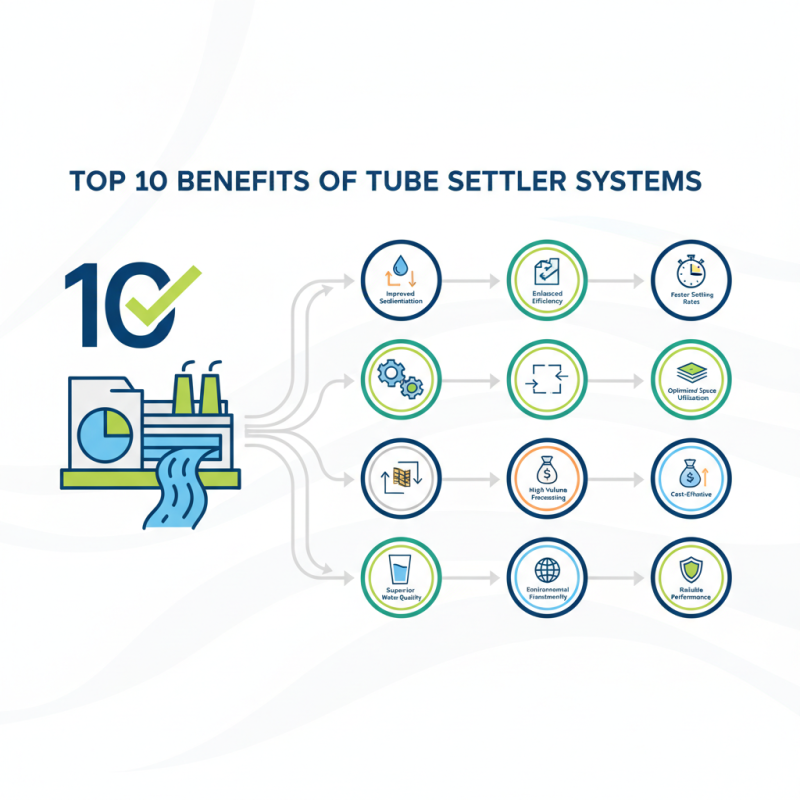
Benefits of Improved Water Quality through Tube Settler Systems
Tube settler systems play a crucial role in enhancing water quality during treatment processes. These systems utilize inclined tubes that promote sedimentation and the effective removal of suspended solids. Research shows that systems with tube settlers can achieve up to 90% reduction in turbidity levels. This advance significantly improves the clarity and safety of drinking water.
The operational efficiency of tube settlers leads to faster settling times. These systems allow for a reduced footprint compared to traditional sedimentation tanks. A study from the Water Environment Federation reported that tube settlers could increase sedimentation rates by 50%. This allows facilities to handle higher volumes of water without compromising quality. However, not all installations maximize effectiveness due to improper design or inadequate maintenance.
In terms of cost-effectiveness, tube settlers contribute to lower operational costs. They enhance the whole water treatment system by minimizing energy and chemical usage. Nevertheless, there are challenges. Regular monitoring and maintenance are necessary to ensure optimal performance. If neglected, the potential benefits could diminish. Careful planning and execution are essential for achieving the desired water quality improvements.
Enhancement of Settling Efficiency in Water Treatment Processes
Tube settler systems play a vital role in enhancing settling efficiency in water treatment processes. These systems use inclined tubes to promote sedimentation, allowing particles to settle more effectively. By increasing the surface area, they enable a higher concentration of solids to be removed efficiently. This design allows for compact installations, making it ideal for facilities with space constraints.
The mechanisms of tube settlers can be simple yet highly effective. When water flows through the inclined tubes, gravity pulls the solids downward. This process accelerates settling compared to traditional methods. In addition, it can accommodate variable water flow rates. However, there can be limitations. For instance, high turbidity levels can overwhelm the system, leading to potential failures in settling performance.
Not every water treatment plant may benefit equally from tube settlers. The initial investment and maintenance requirements can also be factors to consider. Operators must evaluate whether the advantages outweigh the drawbacks for their specific contexts. Each installation should be tailored to maximize efficiency while minimizing costs and challenges.
Reduction of Footprint and Space Requirements in Treatment Facilities
Tube settler systems offer significant advantages in water treatment facilities, particularly in reducing footprint and space requirements. By employing inclined plates, these systems enhance sedimentation rates, allowing for compact design. This innovation means facilities can treat more water in less physical space. The vertical arrangement of these plates minimizes the area needed for settling basins, making them ideal for urban settings where space is limited.
Implementing tube settlers can also lead to more efficient operations. With reduced space, facilities can allocate resources to other critical areas. However, it's essential to consider installation and maintenance challenges. While tube settlers are efficient, they require careful design to prevent clogging and ensure optimal performance. Balancing compactness with reliability needs thoughtful planning. This ongoing refinement in design is crucial for maximizing benefits while addressing potential drawbacks.
Cost Savings through Lower Chemical Usage with Tube Settlers
Tube settler systems are transforming water treatment processes, primarily by reducing chemical usage. Research indicates that these systems can cut chemical costs by up to 30%. This reduction leads to significant cost savings for water treatment facilities. Operators can allocate resources more efficiently when chemical expenses decrease.
When tube settlers are installed, they improve sedimentation efficiency. The design promotes faster settling of particles, allowing for less chemical coagulants to be needed. A study from a leading water treatment organization found that facilities reported a 25% reduction in chemical usage after integrating these systems. This not only cuts costs but also decreases the environmental impact.
Tips for optimizing tube settler systems include regular maintenance checks. Ensuring that the settler surfaces are clean can enhance performance. Training staff on efficient chemical dosing is equally important. Monitoring processes continuously helps in identifying areas for further improvement. Many facilities overlook these details, missing opportunities for additional savings.
Top 10 Benefits of Tube Settler Systems for Water Treatment - Cost Savings through Lower Chemical Usage with Tube Settlers
| Benefit | Description | Cost Savings (%) |
| Increased Settling Efficiency | Tube settlers enhance sedimentation processes, leading to clearer effluent. | 15% |
| Reduced Chemical Usage | Lower quantities of coagulants and flocculants required for treatment. | 20% |
| Space Efficiency | Compact design requires less footprint compared to traditional settling basins. | 10% |
| Operational Cost Reduction | Lower maintenance and operational costs due to reduced chemical handling. | 12% |
| Enhanced Water Quality | Improved removal of turbidity and contaminants results in better water quality. | 18% |
| Flexibility in Design | Modular systems can be tailored to various treatment needs and capacities. | 5% |
| Fast Installation | Quick to set up and integrate into existing systems, reducing downtime. | 8% |
| Increased Flow Rates | High flow capacity allows for managing peak loads efficiently. | 14% |
| Sustainability | Lower chemical use contributes to more sustainable water treatment processes. | 22% |
| Reduced Sludge Production | Efficient settling leads to less sludge generation, lowering disposal costs. | 16% |
Increased Operational Flexibility and Adaptability in Water Treatment
Tube settler systems offer significant advantages in water treatment, particularly regarding operational flexibility and adaptability. These systems maximize sedimentation efficiency by utilizing a series of inclined tubes, which enhances the settling process. This design allows treatment facilities to optimize space usage while maintaining high flow rates, crucial in varying water conditions.
The adaptability of tube settlers is evident in their ability to function efficiently across different water quality scenarios. Whether dealing with high turbidity or varying particle sizes, tube settlers can be adjusted effectively. This flexibility can lead to a more reactive treatment process, responding better to changing environmental factors. However, facilities must continually monitor performance to ensure optimal operations.
Over time, operators may face challenges, such as potential clogging or maintenance needs. Addressing these issues promptly is essential to sustain system efficiency. This ongoing attention helps operators adapt to the nuances of varying water sources, ensuring reliability. In essence, the adaptability of tube settler systems enhances overall water treatment reliability while presenting opportunities for improvement and reflection on operational practices.
Top 10 Benefits of Tube Settler Systems for Water Treatment
This chart illustrates the key benefits of Tube Settler Systems used in water treatment, showcasing their operational flexibility and adaptability.





