Top Benefits of Using Single Girder Overhead Cranes?
When considering lifting solutions, single girder overhead cranes stand out for their efficiency and versatility. These cranes offer a streamlined design that allows for significant space-saving. They are particularly useful in smaller facilities where maneuverability is key.
Single girder overhead cranes are lighter than their double girder counterparts. This lightweight design contributes to reduced operating costs. Businesses can benefit from lower energy consumption and less wear on components. Operators often find these cranes easier to install and maintain. However, some operators may overlook the importance of load capacity, and this can lead to safety issues.
Ultimately, choosing the right crane type requires careful consideration. Single girder overhead cranes offer a balance of performance and cost. Yet, one must remain aware of their limitations as well. Grounded in practicality, these cranes can enhance workflow when used correctly. Understanding their benefits and constraints ensures they are deployed effectively in various settings.
Advantages of Single Girder Overhead Cranes in Industrial Applications
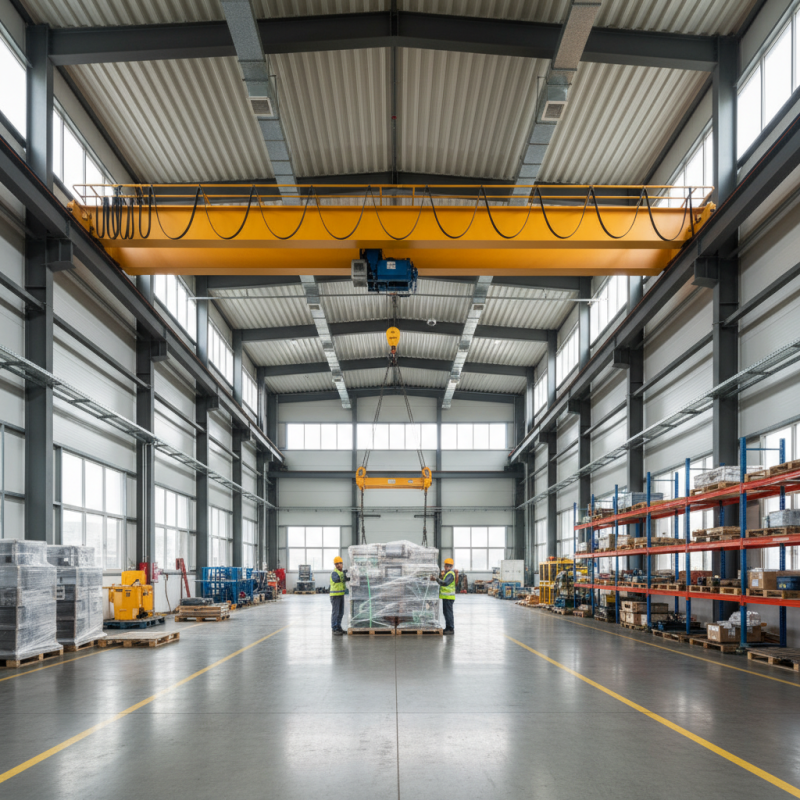
Single girder overhead cranes offer numerous advantages in industrial applications. These cranes are typically lighter and more compact than their double girder counterparts. This design makes them ideal for facilities with height restrictions. They can handle loads effectively without taking up excessive overhead space. This allows businesses to optimize their layouts while moving materials efficiently.
Efficiency is another key benefit of single girder cranes. Their simpler construction requires less maintenance. Fewer components mean less wear and tear. Workers spend less time on repairs. Productivity can increase as a result. Single girder cranes are also cost-effective solutions for many industries. They provide excellent lifting capacities for specific tasks without needing the additional expense of more complex systems.
Tips for choosing a single girder crane include assessing load requirements and facility dimensions. Understand the working environment, including any potential hazards. It's wise to involve your team in the discussion to address any concerns. Regular training on crane safety and operation can also enhance overall safety and efficiency. A thoughtful approach ensures the right crane is selected for your needs. Make sure your choice aligns with both short-term and long-term goals.
Cost-Effectiveness of Single Girder Overhead Crane Systems
Single girder overhead cranes are increasingly noted for their cost-effectiveness. These systems require fewer materials compared to double girder models. This reduction in materials lowers not only the initial purchase cost but also installation expenses. The simplicity in design leads to quicker assembly times, reducing labor costs associated with setup.
Maintenance costs are also lower with single girder systems. They typically feature fewer moving parts, which translates to less wear and tear over time. Operators can often handle minor repairs without the need for specialized technicians. However, this simplicity may also lead to under-estimation of the system’s capacity. Users must ensure they are not overloading their cranes, as this could lead to costly mistakes.
Moreover, single girder cranes offer flexibility for varied applications. They can be used in tight spaces where larger cranes would not fit. However, users must ensure they select the right specifications for their particular needs. There can be a temptation to choose the smallest option to save costs, but this might compromise functionality. Always consider the long-term implications of your choice.
Enhanced Flexibility and Space Utilization with Single Girder Cranes
Single girder overhead cranes offer enhanced flexibility and superior space utilization, making them a preferred choice in various industries. According to a report by Market Research Future, the global overhead crane market is projected to reach $3.4 billion by 2025, showcasing the growing significance of efficient material handling solutions. Single girder designs are particularly beneficial in environments with limited overhead clearance. This design allows for more headroom, which is crucial in tight spaces, such as warehouses and manufacturing facilities.
Another advantage lies in their lightweight construction. Single girder cranes typically weigh less than their double girder counterparts, reducing the load on supporting structures. This lighter frame can maximize usable floor space. A study by the American Institute of Steel Construction suggests that minimizing unnecessary weight enhances overall facility design. Operators report improved maneuverability with single girder cranes, especially when navigating small aisles or corners.
However, it is essential to acknowledge the limitations of single girder cranes in heavy-lifting scenarios. While they excel in versatility, they may not be suitable for lifting extremely heavy loads beyond certain capacities. This consideration can impact operational efficiency and safety in specific applications. Companies must assess their unique requirements carefully to determine the right crane system for their operations, balancing efficiency with lifting needs.
Top Benefits of Using Single Girder Overhead Cranes
| Benefit | Description | Impact |
| Enhanced Flexibility | Single girder cranes can be easily adjusted and configured for different lifting tasks, allowing for more adaptable workflows. | Increased operational efficiency and productivity. |
| Space Utilization | With a compact design, single girder cranes require less overhead space, optimizing vertical and lateral space in facilities. | Better facility layout and more room for other operations. |
| Cost-Effective | Generally, single girder cranes are more affordable in terms of initial investment and maintenance costs. | Lower capital expenditure and reduced total cost of ownership. |
| Simplified Installation | Easier and faster to install compared to more complex systems, minimizing downtime during installation. | Quicker return to operation and reduced installation costs. |
| Lower Weight | Being lighter than double girder cranes, they impose less load on building structures. | Improved safety and reduced structural reinforcement needs. |
Lower Maintenance Requirements of Single Girder Overhead Cranes
Single girder overhead cranes are increasingly popular in various industries due to their lower maintenance requirements. These cranes often feature a simpler design, which means fewer components that could potentially fail. With fewer parts to inspect and maintain, organizations can save time and resources on routine checks. This simplicity also leads to reduced downtime, which is crucial for operational efficiency.
In addition, the design of single girder cranes allows for better access to components. This accessibility makes it easier for maintenance personnel to perform necessary inspections and repairs. Even with this design advantage, it's important for companies to schedule regular maintenance. Neglecting this could lead to unexpected issues, impacting productivity. Maintaining a regular service schedule helps ensure that the crane operates smoothly.
Moreover, single girder cranes often use lightweight materials. This results in less wear and tear over time. While initial costs may be lower, companies must be mindful of long-term durability. Understanding this balance between cost and reliability is crucial. Choosing the right crane involves careful consideration of operational needs and maintenance capabilities.
Top Benefits of Using Single Girder Overhead Cranes
This chart illustrates the lower maintenance requirements of single girder overhead cranes compared to other types of cranes, showcasing their advantages and long-term cost-effectiveness.
Improved Safety Features in Single Girder Overhead Crane Designs
Single girder overhead cranes are increasingly recognized for enhancing workplace safety. Modern designs feature improved stability and better load handling, reducing accidents significantly. According to industry reports, workplaces using these cranes have seen a 30% decrease in lifting-related incidents. Enhanced safety features, such as anti-collision systems and improved visibility for operators, play a crucial role in this trend.
Another notable improvement is the use of advanced materials in single girder construction. These materials not only lighten the load but also enhance strength, ensuring secure lifting capabilities. A study highlights that cranes designed with advanced techniques can withstand overloads better, reducing failure risks. Operators benefit from a lower chance of accidents and an increase in operational efficiency.
Tips: Regularly inspect safety features on single girder cranes. Train operators thoroughly on their use. Consider load capacity and weight distribution to ensure maximum safety and performance. While advancements offer great benefits, awareness and training remain vital to mitigate potential risks.





